


Impact of supported housing on clinical outcomes: analysis of a randomized trial using multiple imputation technique
- PMID: 17220745
- PMCID: PMC3073142
- DOI: 10.1097/01.nmd.0000252313.49043.f2
Impact of supported housing on clinical outcomes: analysis of a randomized trial using multiple imputation technique
Abstract
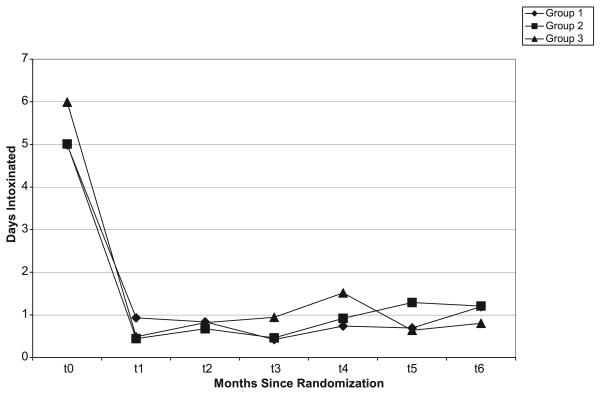
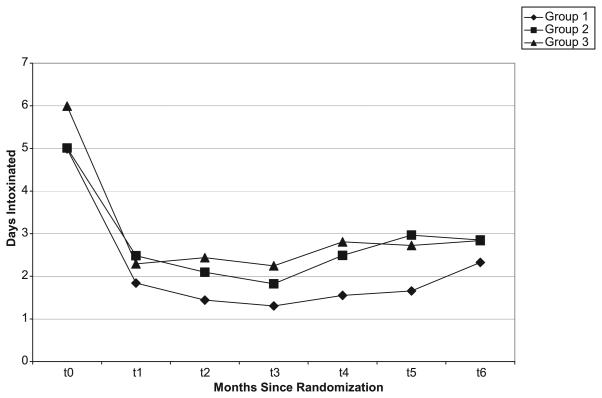
In 1992, the US Department of Housing and Urban Development (HUD) and the US Department of Veterans Affairs (VA) established the HUD-VA Supported Housing (HUD-VASH) Program to provide integrated clinical and housing services to homeless veterans with psychiatric and/or substance abuse disorders at 19 sites. At four sites, 460 subjects were randomly assigned to one of the three groups: (1) HUD-VASH, with both Section 8 vouchers and intensive case management; (2) case management only; and (3) standard VA care. A previous publication found HUD-VASH resulted in superior housing outcomes but yielded no benefits on clinical outcomes. Since many participants missed prescheduled visits during the follow-up period and follow-up rates were quite different across the groups, we reanalyzed these data using multiple imputation statistical methods to account for the missing observations. Significant benefits were found for HUD-VASH in drug and alcohol abuse outcomes that had not previously been identified.
Figures
References
-
- Derogatis LR, Spencer N. The Brief Symptom Index: Administration, Scoring and Procedure Manual. Johns Hopkins; Baltimore (MD): 1982.
-
- Hurlburt MS, Wood PA, Hough RL. Effects of substance abuse on housing stability of homeless mentally ill persons in supported housing. Psychiatr Serv. 1996;47:731–736. - PubMed
-
- Kasprow WJ, Rosenheck RA, Frisman LK, DiLella D. Referral and housing processes in a long-term supported housing program for homeless veterans. Psychiatr Serv. 2000;51:1017–1024. - PubMed
-
- Lam J, Rosenheck R. Social support and service use among homeless persons with serious mental illness. Int J Soc Psychiatry. 1998;45:13–28. - PubMed
