


Primary retroperitoneal mucinous cystadenocarcinoma: report of two cases
- PMID: 17224073
- PMCID: PMC1783654
- DOI: 10.1186/1477-7819-5-5
Primary retroperitoneal mucinous cystadenocarcinoma: report of two cases
Abstract
Background: Retroperitoneal cystadenocarcinomas are rare lesions, the majority of cases presented as one-patient reports.
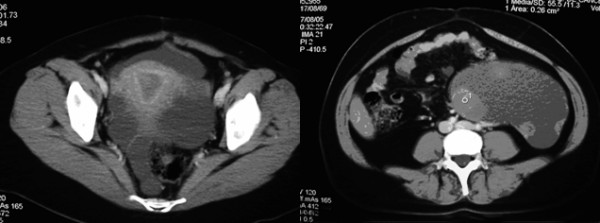
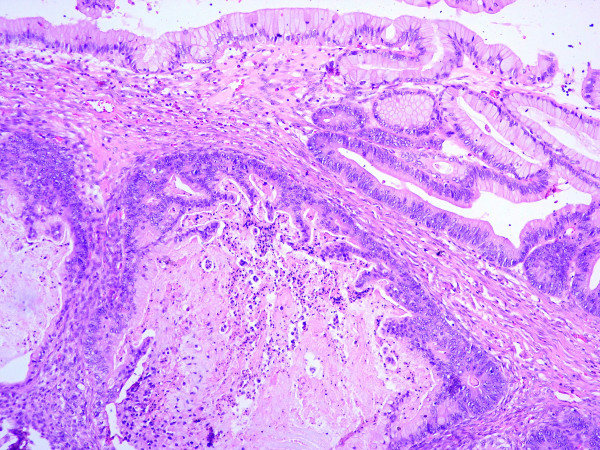
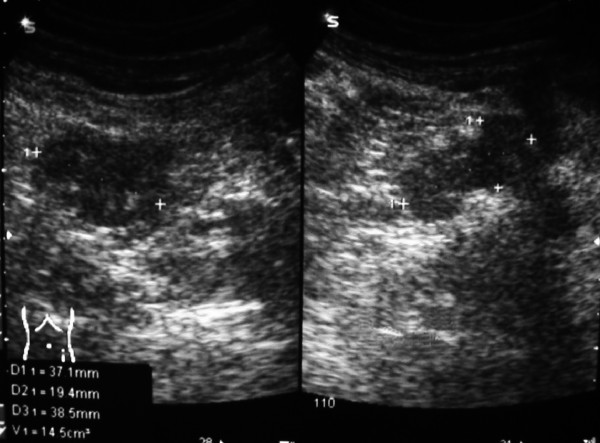
Methods: We present two cases of retroperitoneal cystadenocarcinoma, both in women of reproductive age: one with aggressive behavior, and the remaining case, with a more indolent clinical evolution.
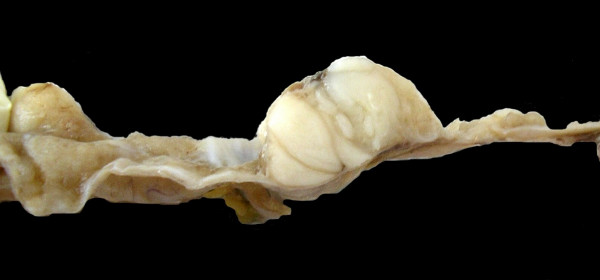
Results: One case presented as pelvic tumor, was treated with surgical resection of the disease, but manifested with recurrent disease a few months later despite use of chemotherapy. The second case involved a patient with diagnosis of abdominal tumor; during laparotomy, a retroperitoneal tumor was found and was totally removed. At follow-up, the patient is disease-free with no other treatment.
Conclusion: The behavior and treatment of retroperitoneal cystadenocarcinoma are controversial. We suggest aggressive surgery including radical hysterectomy and bilateral salpingoopherectomy with adjuvant chemotherapy in these cases.
Figures
References
-
- Kondi-Pafiti A, Kairi-Vassilatoul E, Spanidou-Carvouni H, Kontogianni-Katsarou K, Anastossopoulos G, Papadias K, Smyrniotis V. Extragenital cystic lesions of peritoneum, mesentery and retroperitoneum of the female. Eur J Gynaecol Oncol. 2005;26:323–326. - PubMed
-
- Roth LM, Ehrlich CE. Mucinous cystadenocarcinoma of the retroperitoneum. Obstet Gynecol. 1977;49:486–488. - PubMed
Publication types
MeSH terms
LinkOut - more resources
Full Text Sources
