Obesity, diet and risk of non-Hodgkin lymphoma
- PMID: 17337642
- PMCID: PMC2819159
- DOI: 10.1158/1055-9965.EPI-06-1081
Obesity, diet and risk of non-Hodgkin lymphoma
Abstract
Non-Hodgkin lymphoma (NHL) represents a group of heterogeneous diseases that significantly vary in their causes, molecular profiles, and natural progression. In 2007, there will be approximately 59,000 newly diagnosed NHL cases in the United States and over 300,000 cases worldwide. Although new therapeutic regimens are minimizing the number of deaths related to NHL, causes for the majority of lymphomas remain undetermined. Recent studies suggest that dietary factors may contribute to the rising rates of NHL. This review will summarize epidemiologic reports that have studied the relationship between obesity, physical activity, and diet and risk of NHL. Based on a number of case-control and prospective cohort studies, overweight/obesity probably increases the risk of NHL, whereas moderate physical activity may reduce risk. Several studies support an inverse association between intakes of vegetables and NHL risk, particularly for the consumption of cruciferous vegetables. This may relate to the induction of apoptosis and growth arrest in preneoplastic and neoplastic cells, two important actions of isothiocyanates found in cruciferous vegetables. Studies also suggest that fish intake may be inversely associated with risk of NHL, although findings have not been entirely consistent. This may relate to the high organochlorine content in some fish that could override a protective effect. High consumption of fats, meat, and dairy products also may increase lymphoma risk. The accumulated scientific evidence concerning the associations between obesity, diet, and NHL suggests several identified modifiable risk factors that might be recommended to decrease lymphoma risk.
Figures
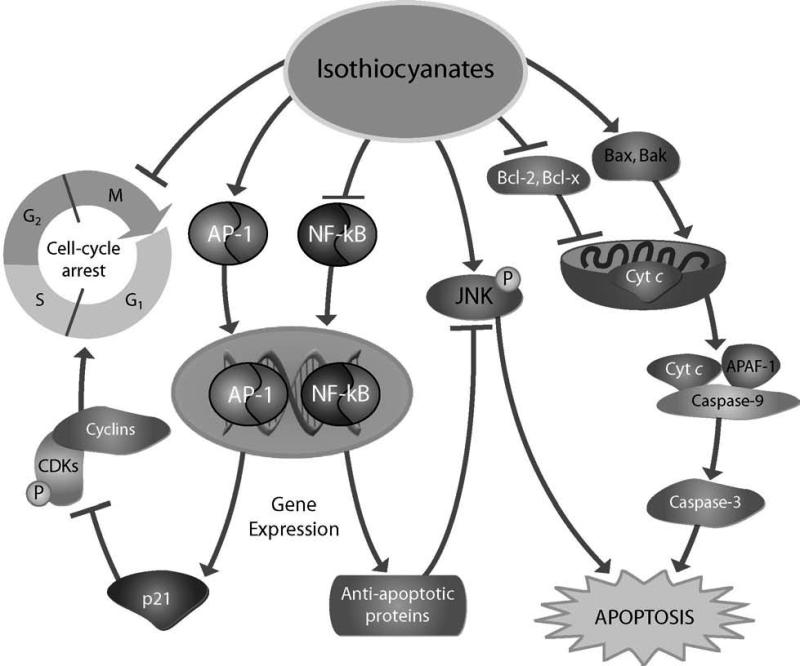
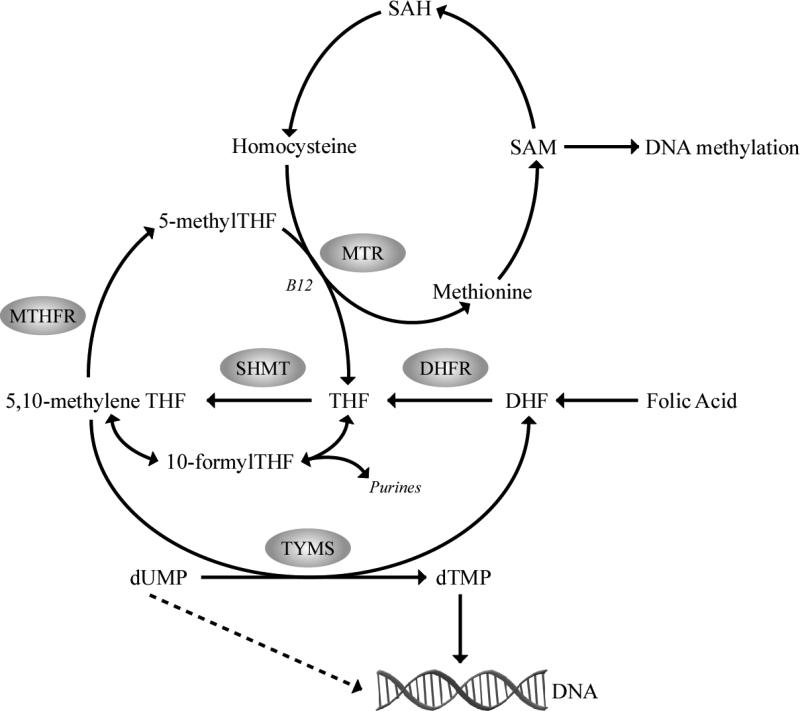
References
-
- Calle EE, Rodriguez C, Walker-Thurmond K, Thun MJ. Overweight, obesity, and mortality from cancer in a prospectively studied cohort of U.S. adults. N Engl J Med. 2003;348:1625–38. - PubMed
-
- Skibola CF, Holly EA, Forrest MS, Hubbard A, Bracci PM, Skibola DR, Hegedus C, Smith MT. Body mass index, leptin and leptin receptor polymorphisms, and non-hodgkin lymphoma. Cancer Epidemiol Biomarkers Prev. 2004;13:779–86. - PubMed
-
- Cerhan JR, Bernstein L, Severson RK, Davis S, Colt JS, Blair A, Hartge P. Anthropometrics, physical activity, related medical conditions, and the risk of non-hodgkin lymphoma. Cancer Causes Control. 2005;16:1203–14. - PubMed
-
- Pan SY, Mao Y, Ugnat AM. Physical activity, obesity, energy intake, and the risk of non-Hodgkin's lymphoma: a population-based case-control study. Am J Epidemiol. 2005;162:1162–73. - PubMed
Publication types
MeSH terms
Grants and funding
LinkOut - more resources
Full Text Sources
Medical
Molecular Biology Databases