


Knockdown by shRNA identifies S249C mutant FGFR3 as a potential therapeutic target in bladder cancer
- PMID: 17384684
- PMCID: PMC2443272
- DOI: 10.1038/sj.onc.1210399
Knockdown by shRNA identifies S249C mutant FGFR3 as a potential therapeutic target in bladder cancer
Abstract
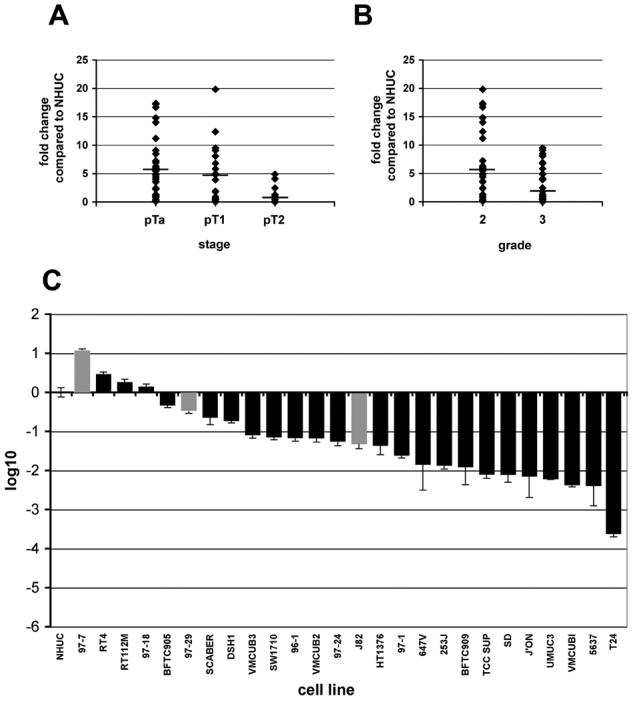
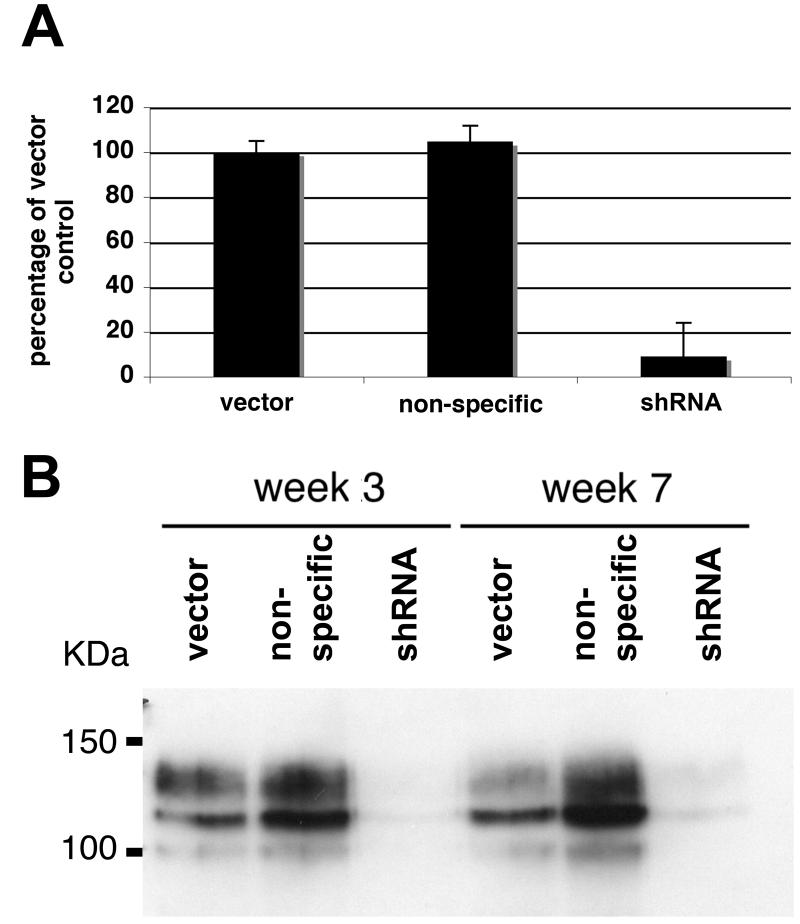
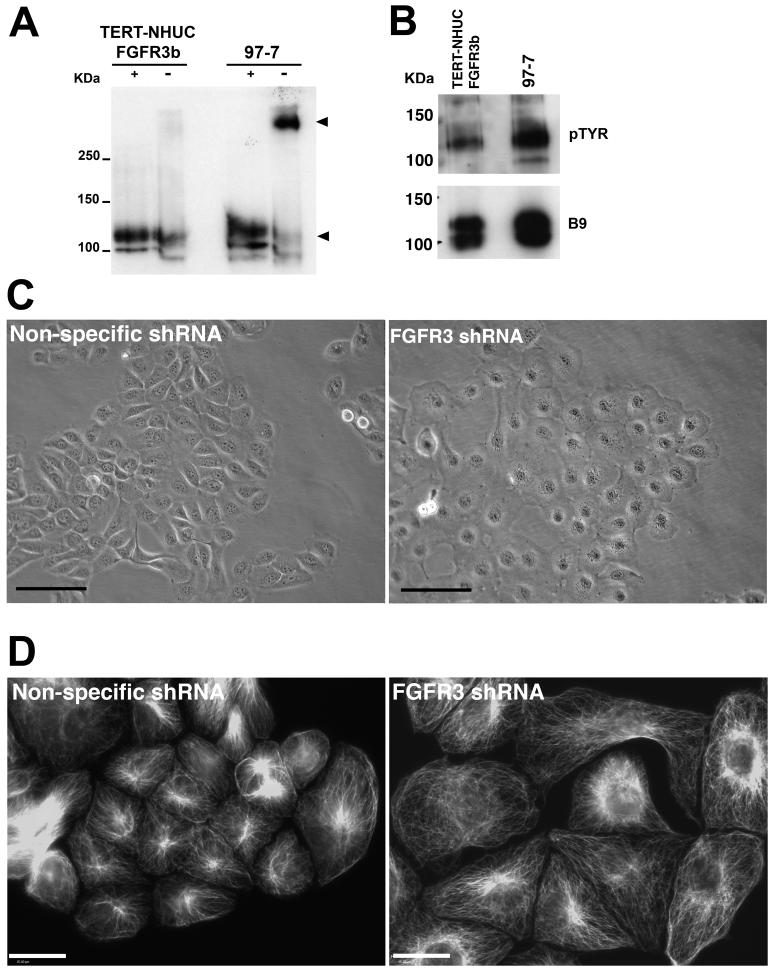
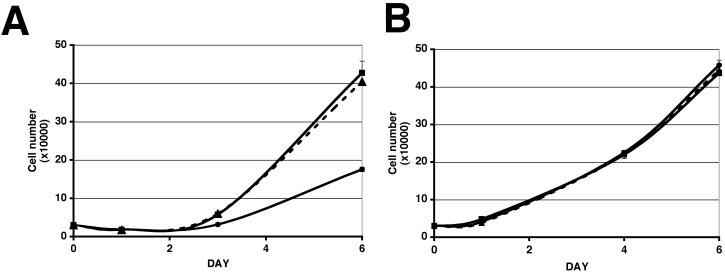
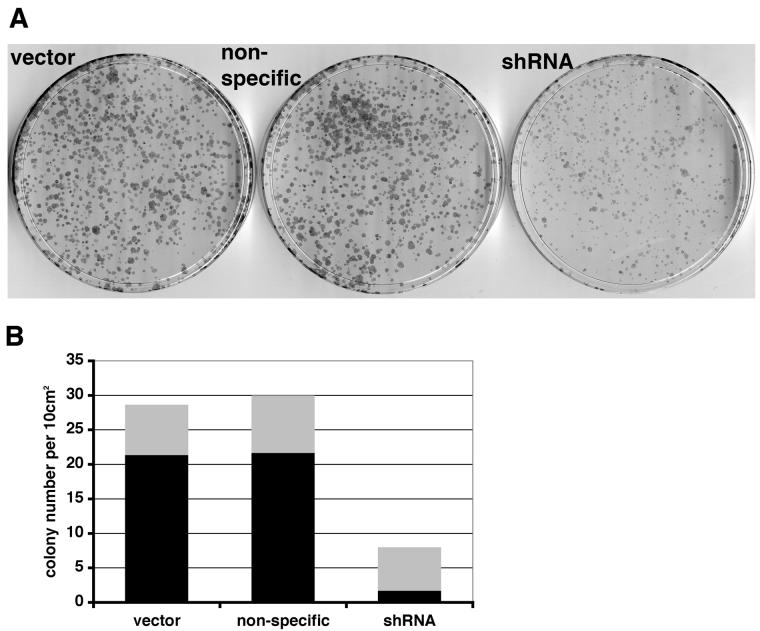
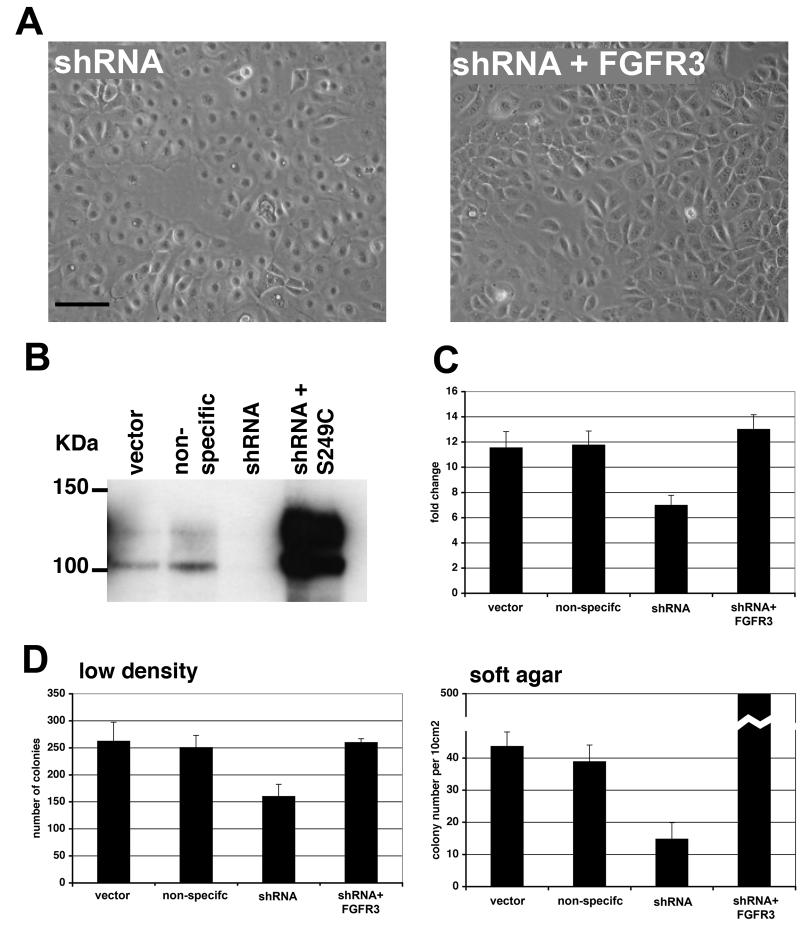
More than 60% of low-grade non-invasive papillary urothelial cell carcinomas contain activating point mutations of fibroblast growth factor receptor 3 (FGFR3). The phenotypic consequences of constitutive activation of FGFR3 in bladder cancer have not been elucidated and further studies are required to confirm the consequences of inhibiting receptor activity in urothelial cells. We measured FGFR3 transcript levels and demonstrated that transcript levels were significantly more abundant in low-stage and grade tumours. We identified a tumour cell line, 97-7, expressing the most common FGFR3 mutation (S249C) at similar FGFR3 transcript levels to low-stage and grade tumours. In these cells, S249C FGFR3 protein formed stable homodimers and was constitutively phosphorylated. We used retrovirus-mediated delivery of shRNA to knockdown S249C FGFR3. This induced cell flattening, decreased cell proliferation and reduced clonogenicity on plastic and in soft agar. However, no effects of knockdown of wild-type FGFR3 were observed in telomerase immortalized normal human urothelial cells, indicating possible dependence of the tumour cell line on mutant FGFR3. Re-expression of S249C FGFR3 in shRNA-expressing 97-7 cells resulted in a reversal of phenotypic changes, confirming the specificity of the shRNA. These results indicate that targeted inhibition of S249C FGFR3 may represent a useful therapeutic approach in superficial bladder cancer.
Figures
References
-
- Adar R, Monsonego-Ornan E, David P, Yayon A. Differential activation of cysteine-substitution mutants of fibroblast growth factor receptor 3 is determined by cysteine localization. J Bone Miner Res. 2002;17:860–868. - PubMed
-
- Bakkar AA, Wallerand H, Radvanyi F, Lahaye JB, Pissard S, Lecerf L, et al. FGFR3 and TP53 gene mutations define two distinct pathways in urothelial cell carcinoma of the bladder. Cancer Research. 2003;63:8108–8112. - PubMed
-
- Bernard-Pierrot I, Brams A, Dunois-Larde C, Caillault A, Diez de Medina SG, Cappellen D, et al. Oncogenic properties of the mutated forms of fibroblast growth factor receptor 3b. Carcinogenesis. 2006;27:740–747. - PubMed
-
- Birmingham A, Anderson EM, Reynolds A, Ilsley-Tyree D, Leake D, Fedorov Y, et al. 3′ UTR seed matches, but not overall identity, are associated with RNAi off-targets. Nat Methods. 2006;3:199–204. - PubMed
Publication types
MeSH terms
Substances
Grants and funding
LinkOut - more resources
Full Text Sources
Other Literature Sources
Medical
Molecular Biology Databases
