


Transgenerational epigenetic imprints on mate preference
- PMID: 17389367
- PMCID: PMC1851596
- DOI: 10.1073/pnas.0610410104
Transgenerational epigenetic imprints on mate preference
Abstract
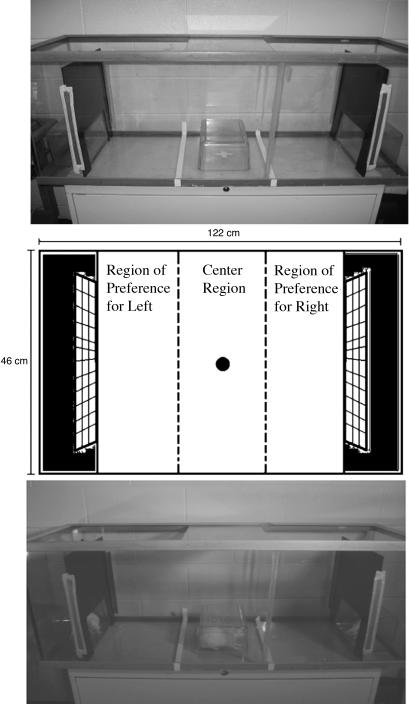
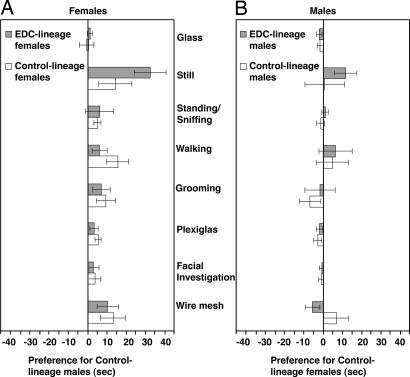
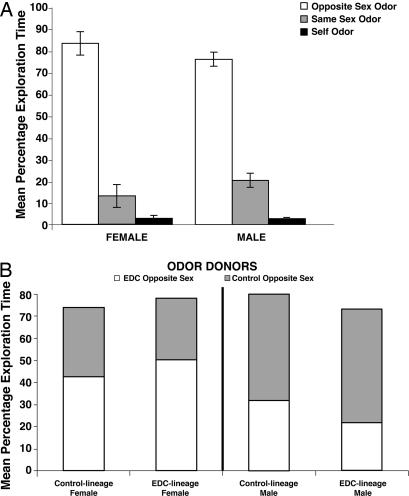
Environmental contamination by endocrine-disrupting chemicals (EDC) can have epigenetic effects (by DNA methylation) on the germ line and promote disease across subsequent generations. In natural populations, both sexes may encounter affected as well as unaffected individuals during the breeding season, and any diminution in attractiveness could compromise reproductive success. Here we examine mate preference in male and female rats whose progenitors had been treated with the antiandrogenic fungicide vinclozolin. This effect is sex-specific, and we demonstrate that females three generations removed from the exposure discriminate and prefer males who do not have a history of exposure, whereas similarly epigenetically imprinted males do not exhibit such a preference. The observations suggest that the consequences of EDCs are not just transgenerational but can be "transpopulational", because in many mammalian species, males are the dispersing sex. This result indicates that epigenetic transgenerational inheritance of EDC action represents an unappreciated force in sexual selection. Our observations provide direct experimental evidence for a role of epigenetics as a determinant factor in evolution.
Conflict of interest statement
The authors declare no conflict of interest.
Figures
References
Publication types
MeSH terms
Substances
Grants and funding
LinkOut - more resources
Full Text Sources
Other Literature Sources
