


Mismatch repair deficiencies transforming stem cells into cancer stem cells and therapeutic implications
- PMID: 17407576
- PMCID: PMC1851711
- DOI: 10.1186/1476-4598-6-26
Mismatch repair deficiencies transforming stem cells into cancer stem cells and therapeutic implications
Abstract
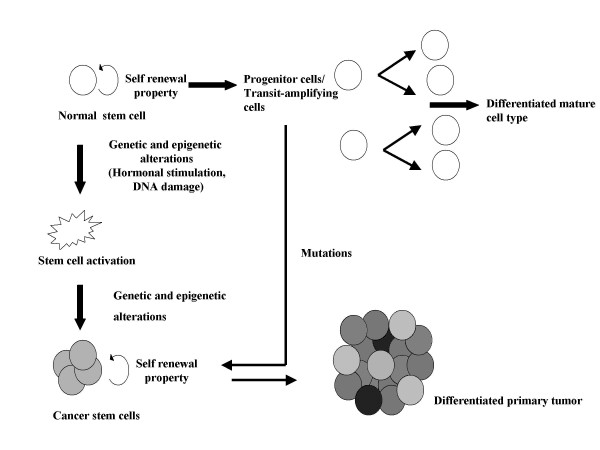
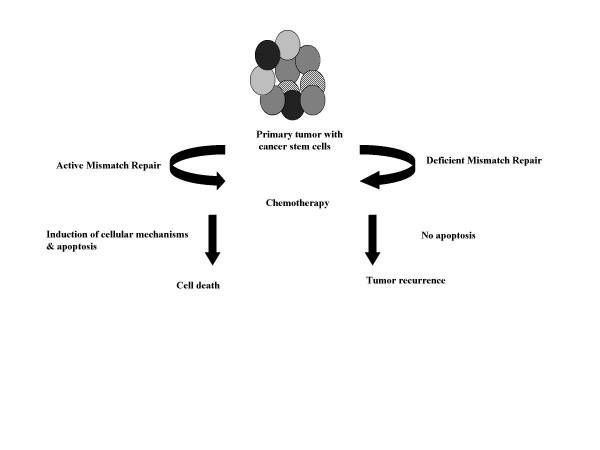
For the exceptional self-renewal capacity, regulated cell proliferation and differential potential to a wide variety of cell types, the stem cells must maintain the intact genome. The cells under continuous exogenous and endogenous genotoxic stress accumulate DNA errors, drive proliferative expansion and transform into cancer stem cells with a heterogeneous population of tumor cells. These cells are a common phenomenon for the hematological malignancies and solid tumors. In response to DNA damage, the complex cellular mechanisms including cell cycle arrest, transcription induction and DNA repair are activated. The cells when exposed to cytotoxic agents, the apoptosis lead to cell death. However, the absence of repair machinery makes the cells resistant to tumor sensitizing agents and result in malignant transformation. Mismatch repair gene defects are recently identified in hematopoietic malignancies, leukemia and lymphoma cell lines. This review emphasizes the importance of MMR systems in maintaining the stem cell functioning and its therapeutic implications in the eradication of cancer stem cells and differentiated tumor cells as well. The understanding of the biological functions of mismatch repair in the stem cells and its malignant counterparts could help in developing an effective novel therapies leaving residual non-tumorigenic population of cells resulting in potential cancer cures.
Figures
References
-
- Gurdon JB. The developmental capacity of nuclei taken from intestinal epithelial cells of feeding tadpoles. J Embryol Exp Morphol. 1962;10:622–640. - PubMed
Publication types
MeSH terms
Substances
LinkOut - more resources
Full Text Sources
