


Dihydroxyoctadecamonoenoate esters inhibit the neutrophil respiratory burst
- PMID: 17435320
- PMCID: PMC1904342
- DOI: 10.1007/s12038-007-0028-x
Dihydroxyoctadecamonoenoate esters inhibit the neutrophil respiratory burst
Abstract
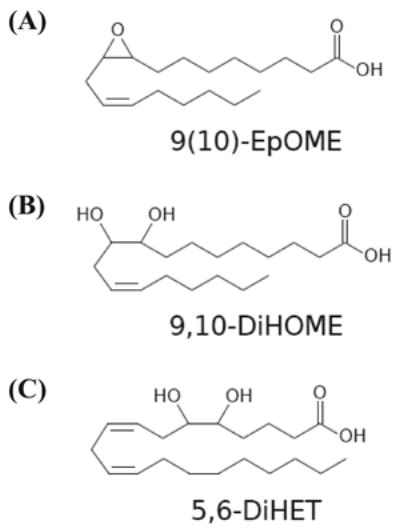
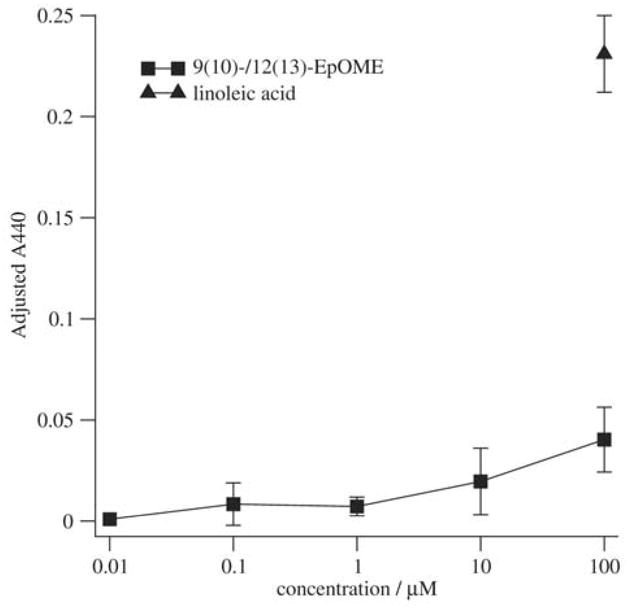
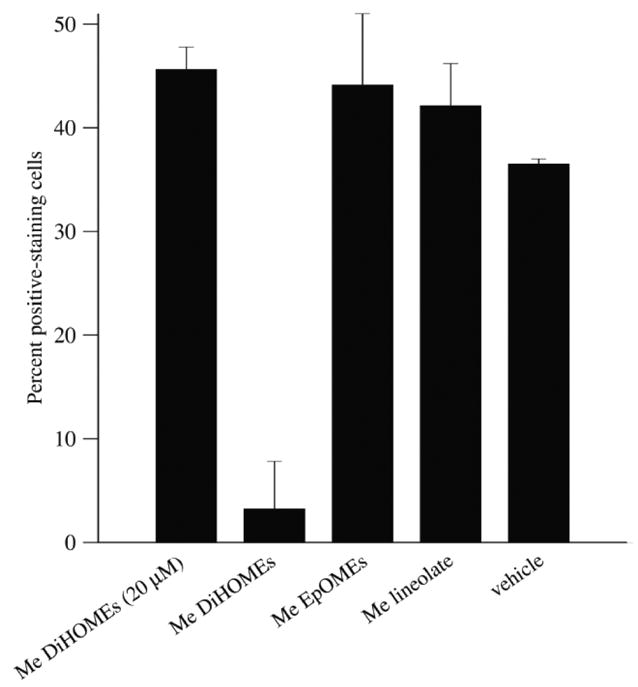
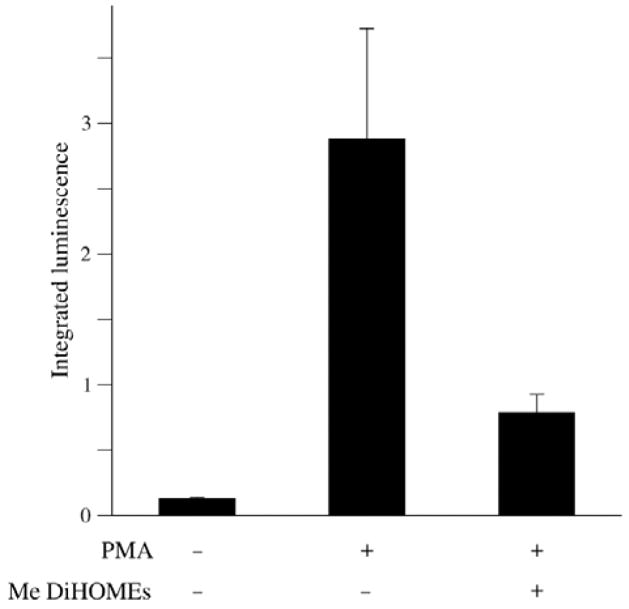
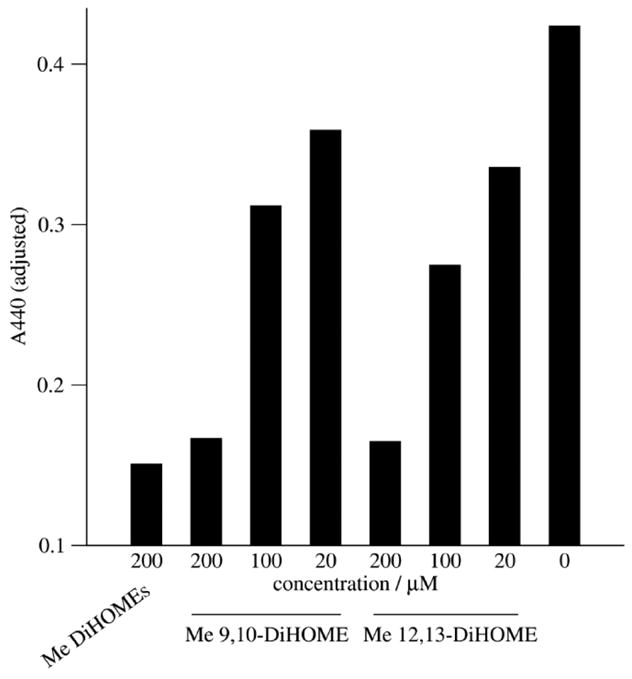
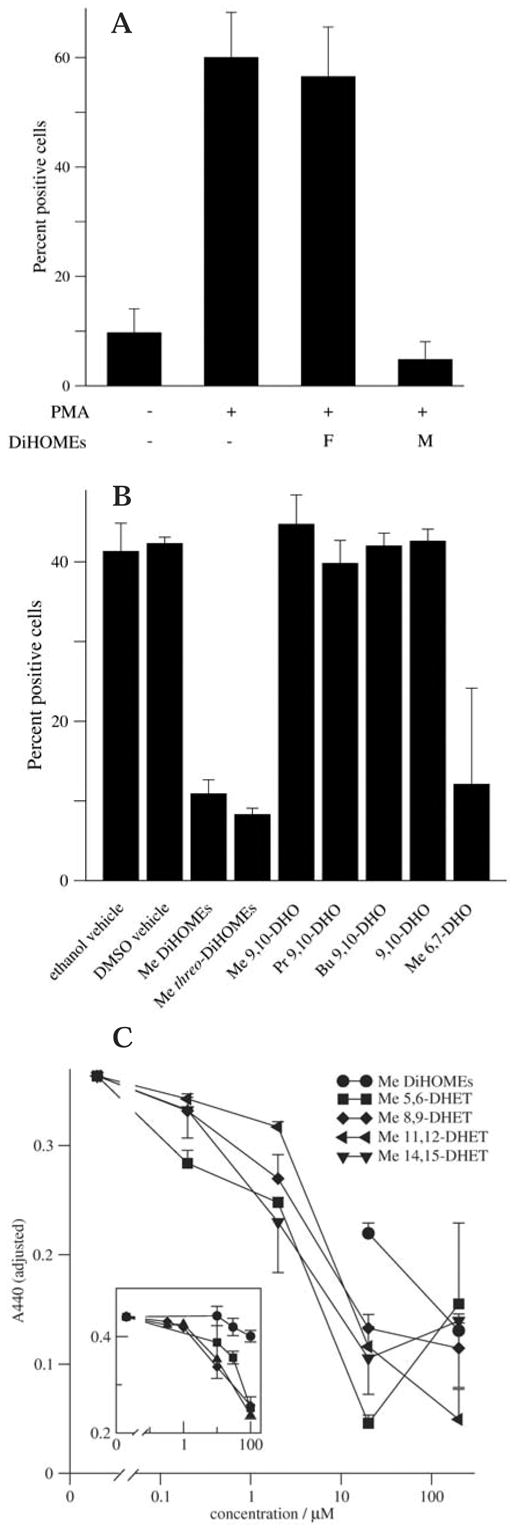
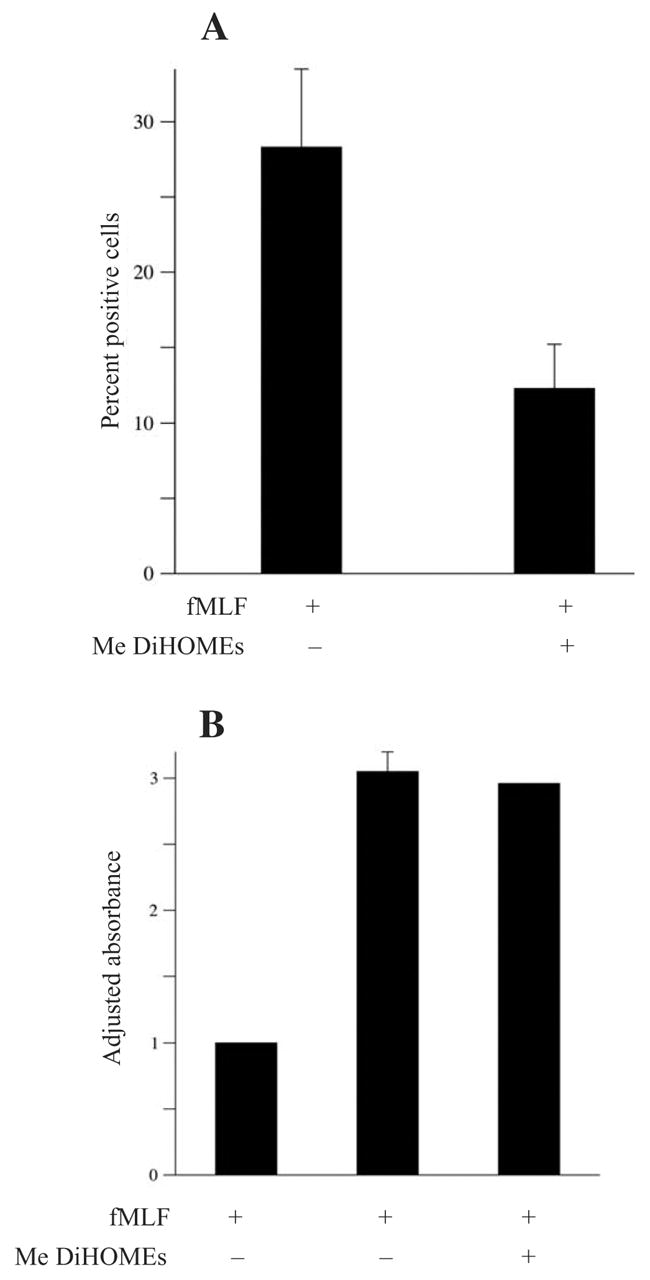
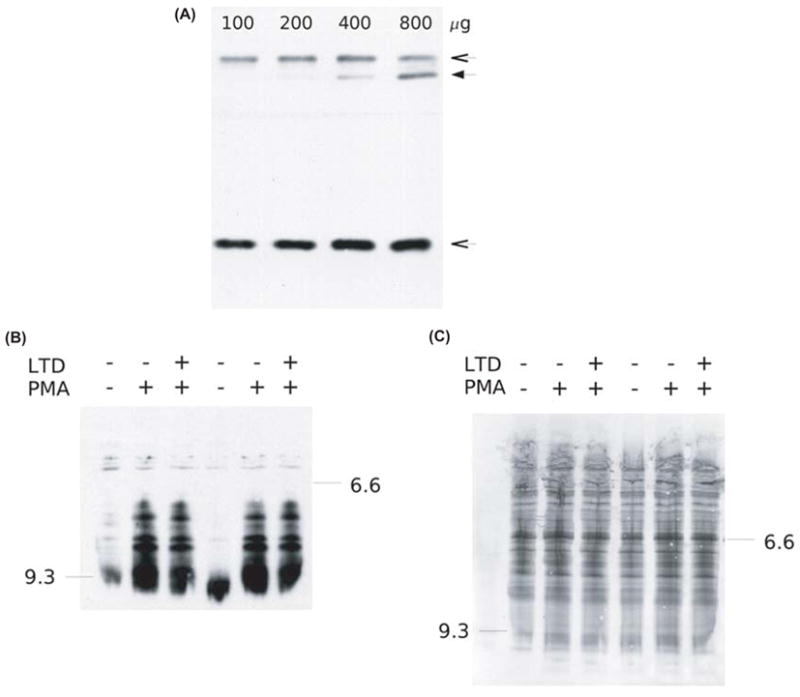
The leukotoxins [9(10)-and 12(13)-EpOME] are produced by activated inflammatory leukocytes such as neutrophils. High EpOME levels are observed in disorders such as acute respiratory distress syndrome and in patients with extensive burns.Although the physiological significance of the EpOMEs remains poorly understood,in some systems, the EpOMEs act as a protoxin,with their corresponding epoxide hydrolase metabolites,9,10-and 12,13-DiHOME, specifically exerting toxicity.Both the EpOMEs and the DiHOMEs were also recently shown to have neutrophil chemotactic activity.We evaluated whether the neutrophil respiratory burst,a surge of oxidant production thought to play an important role in limiting certain bacterial and fungal infections,is modulated by members of the EpOME metabolic pathway.We present evidence that the DiHOMEs suppress the neutrophil respiratory burst by a mechanism distinct from that of respiratory burst inhibitors such as cyclosporin H or lipoxin A4,which inhibit multiple aspects of neutrophil activation.
Figures
References
-
- Babior BM. NADPH oxidase: an update. Blood. 1999;93:1464–1476. - PubMed
-
- Badwey JA, Curnutte JT, Karnovsky ML. cis-Polyunsaturated fatty acids induce high levels of superoxide production by human neutrophils. J Biol Chem. 1981;256:12640–12643. - PubMed
-
- Badwey JA, Curnutte JT, Robinson JM, Berde CB, Karnovsky MJ, Karnovsky ML. Effects of free fatty acids on release of superoxide and on change of shape by human neutrophils reversibility by albumin. J Biol Chem. 1984;259:7870–7877. - PubMed
Publication types
MeSH terms
Substances
Grants and funding
LinkOut - more resources
Full Text Sources
