Use of an electronic medical record for the identification of research subjects with diabetes mellitus
- PMID: 17456828
- PMCID: PMC1855339
- DOI: 10.3121/cmr.2007.726
Use of an electronic medical record for the identification of research subjects with diabetes mellitus
Abstract
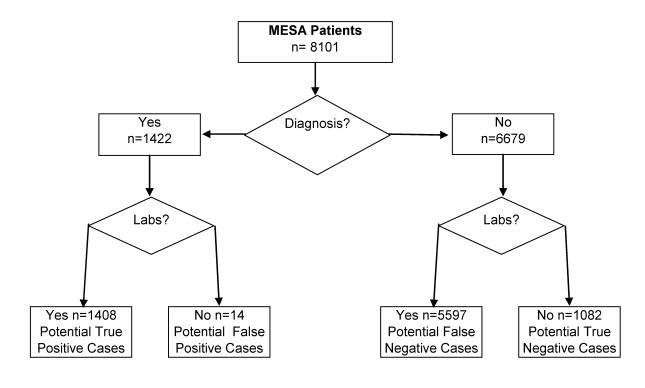
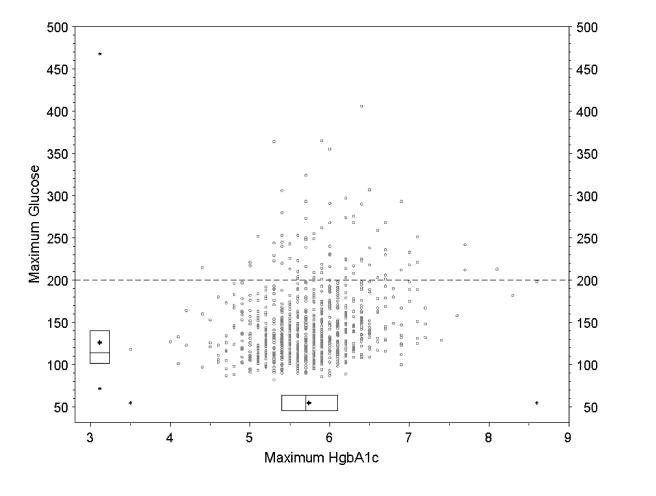
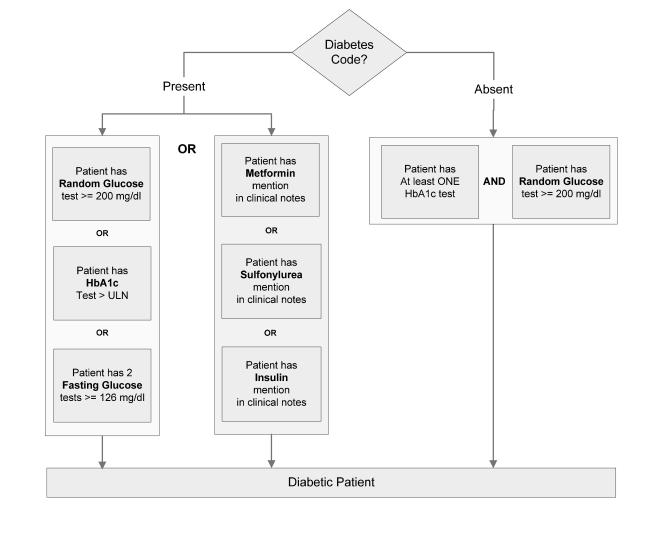
Diabetes mellitus is a rapidly increasing and costly public health problem. Large studies are needed to understand the complex gene-environment interactions that lead to diabetes and its complications. The Marshfield Clinic Personalized Medicine Research Project (PMRP) represents one of the largest population-based DNA biobanks in the United States. As part of an effort to begin phenotyping common diseases within the PMRP, we now report on the construction of a diabetes case-finding algorithm using electronic medical record data from adult subjects aged > or =50 years living in one of the target PMRP ZIP codes. Based upon diabetic diagnostic codes alone, we observed a false positive case rate ranging from 3.0% (in subjects with the highest glycosylated hemoglobin values) to 44.4% (in subjects with the lowest glycosylated hemoglobin values). We therefore developed an improved case finding algorithm that utilizes diabetic diagnostic codes in combination with clinical laboratory data and medication history. This algorithm yielded an estimated prevalence of 24.2% for diabetes mellitus in adult subjects aged > or =50 years.
Figures
References
-
- Mokdad AH, Ford ES, Bowman BA, Dietz WH, Vinicor F, Bales VS, Marks JS. Prevalence of obesity, diabetes, and obesity-related health risk factors, 2001. JAMA 2003; 289:76–79. - PubMed
-
- Fontaine KR, Bartlett SJ. Access and use of medical care among obese persons. Obes Res 2000; 8:403–406. - PubMed
-
- American Diabetes Association. Diagnosis and classification of diabetes mellitus. Diabetes Care 2006; 29(suppl 1):S43–S48. - PubMed
-
- Wilke RA, Jochen AL, Maas DL and IM O’Shaughnessy: Hypoglycemia and Diabetes Mellitus. In: Kutty K, Sebastian JL, Mewis BA, Berg DD, Kochar, MS, eds. Kochar’s concise textbook of medicine. 3rd ed. Baltimore, MD: Williams & Wilkins; 1998.
-
- Kaiser J. Biobanks. Population databases boom, from Iceland to the U.S. Science 2002; 298:1158–1161. - PubMed
Publication types
MeSH terms
Substances
LinkOut - more resources
Full Text Sources
Medical
Research Materials