Alcoholism and judgments of affective stimuli
- PMID: 17484598
- PMCID: PMC4087115
- DOI: 10.1037/0894-4105.21.3.346
Alcoholism and judgments of affective stimuli
Abstract
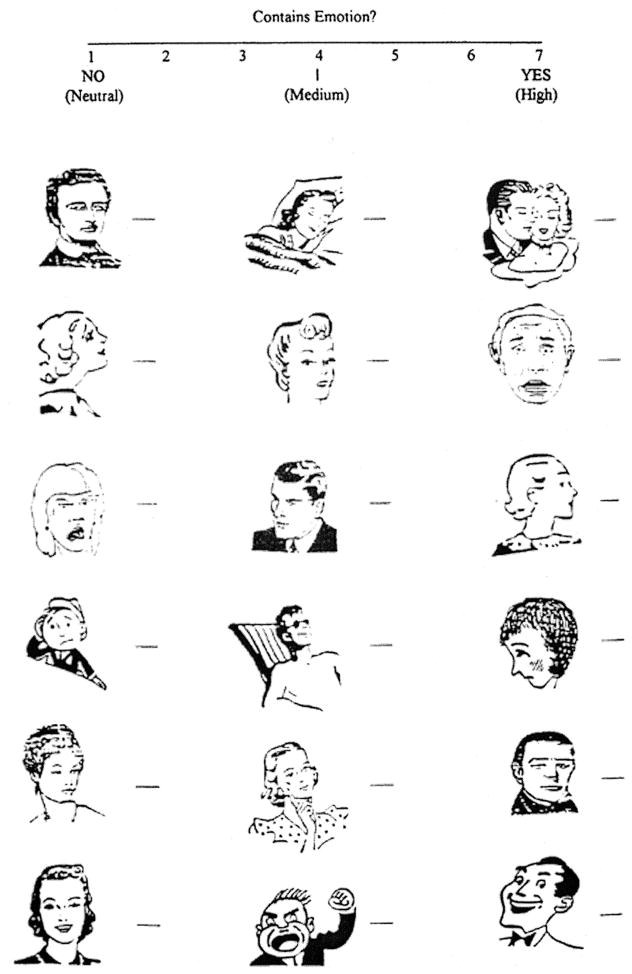
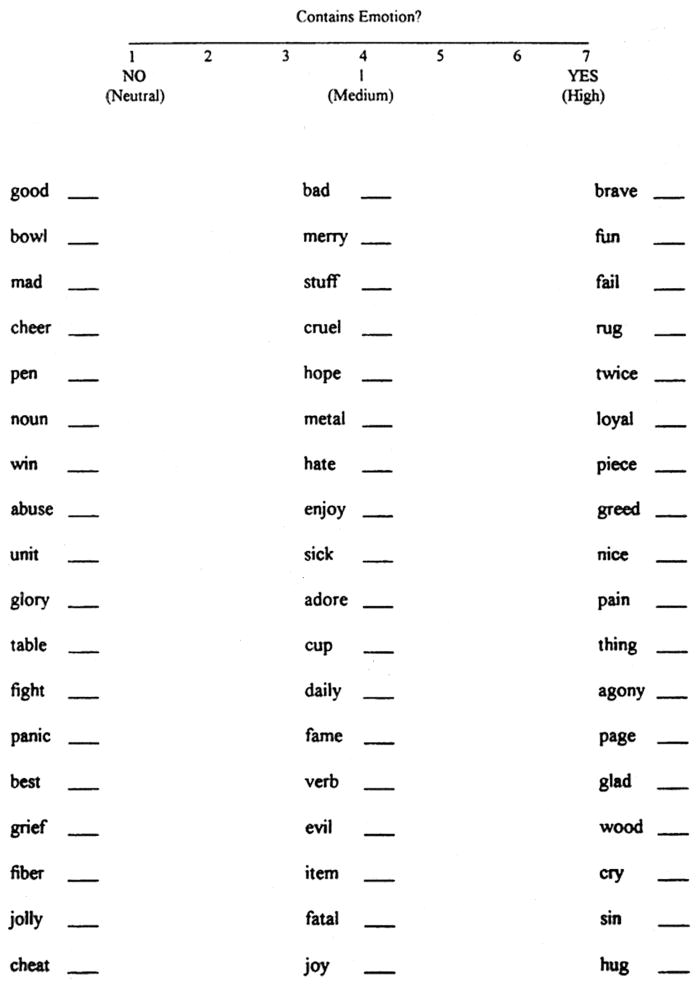
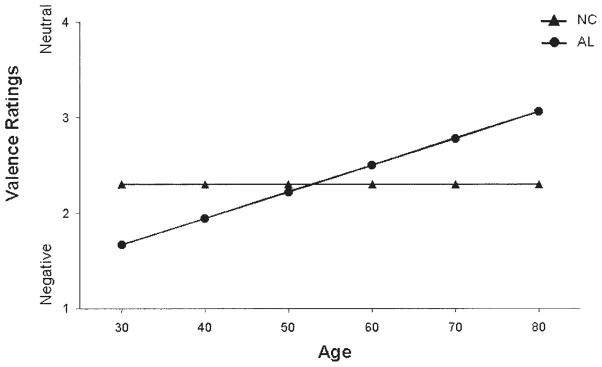
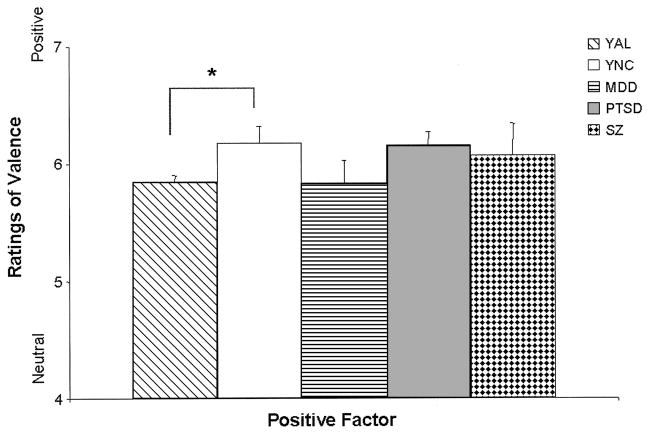
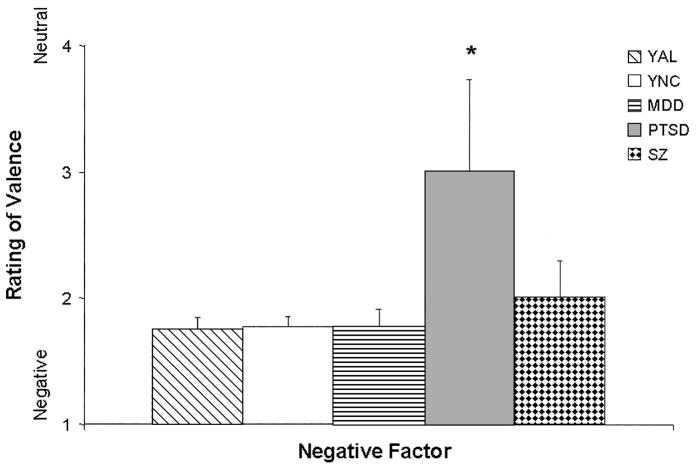
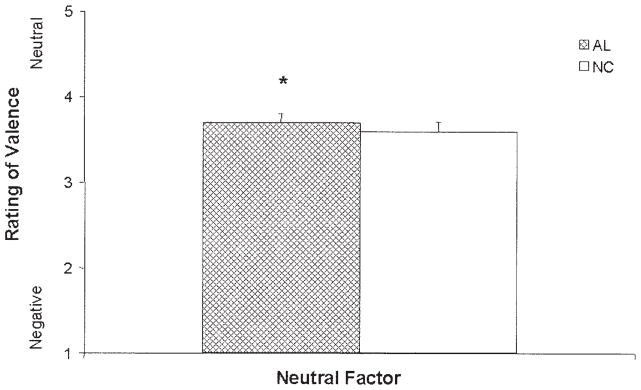
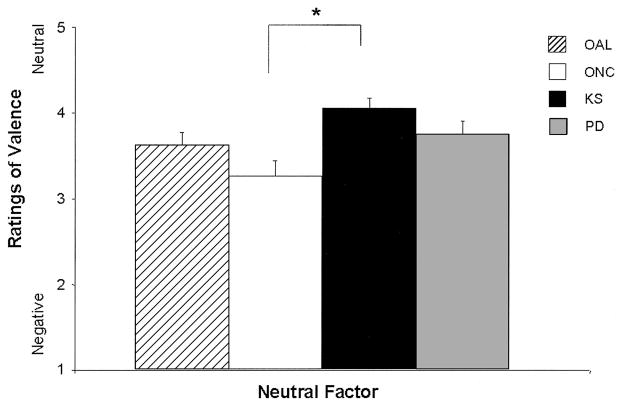
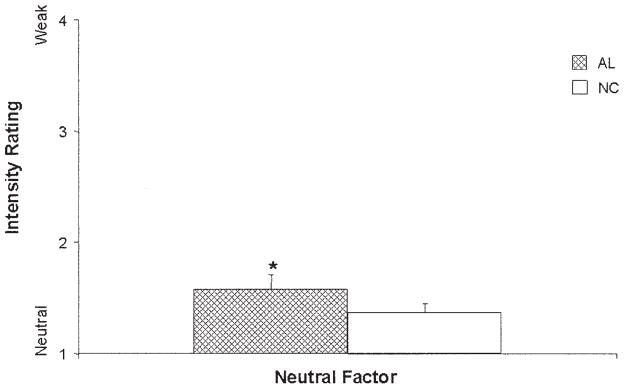
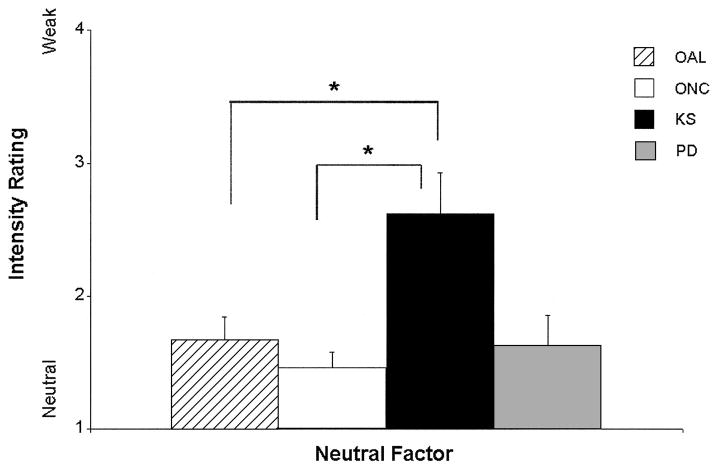
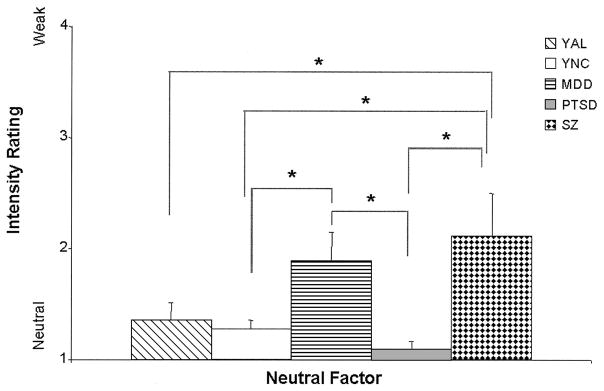
This study sought to differentiate alcoholism-related changes in judgments of emotional stimuli from those of other populations in which such changes have been documented. Two sets of visual stimuli, one containing words and the other containing drawings of faces (representing a range of emotional content), were presented to abstinent alcoholic adults with and without Korsakoff's syndrome, as well as to a healthy control group and four groups of patients with other neurobehavioral disorders: Parkinson's disease, schizophrenia, depression, and posttraumatic stress disorder. Participants rated the stimuli according to emotional valence and intensity of emotion. Results implicated bi-hemispheric frontal and subcortical involvement in the abnormalities of emotion identification associated with alcoholism, and they also support the notion of age-related vulnerabilities in conjunction with alcoholism.
(c) 2007 APA, all rights reserved
Figures
References
-
- Aben I, Verhey F, Honig A, Lodder J, Lousberg R, Maes M. Research into the specificity of depression after stroke: A review on an unresolved issue. Progress in Neuro-Psychopharmacology & Biological Psychiatry. 2001;25:671–689. - PubMed
-
- Adolphs R. Neural systems for recognizing emotion. Current Opinions in Neurobiology. 2002;12:169–177. - PubMed
-
- Adolphs R, Jansari A, Tranel D. Hemispheric perception of emotional valence from facial expressions. Neuropsychology. 2001;15:516–524. - PubMed
-
- Albert ML, Knoefel JE. Clinical neurology of aging. 2. New York: Oxford University Press; 1994.
-
- American Psychiatric Association. Diagnostic and statistical manual of mental disorders. 4. Washington, DC: Author; 1994.