. 2007 May;132(5):1834-51.
doi: 10.1053/j.gastro.2007.03.038. Epub 2007 Mar 24.

The lysophosphatidic acid type 2 receptor is required for protection against radiation-induced intestinal injury

Affiliations

The lysophosphatidic acid type 2 receptor is required for protection against radiation-induced intestinal injury

Wenlin Deng et al. Gastroenterology. 2007 May.

Abstract

Background & aims: We recently identified lysophosphatidic acid (LPA) as a potent antiapoptotic agent for the intestinal epithelium. The objective of the present study was to evaluate the effect of octadecenyl thiophosphate (OTP), a novel rationally designed, metabolically stabilized LPA mimic, on radiation-induced apoptosis of intestinal epithelial cells in vitro and in vivo.

Methods: The receptors and signaling pathways activated by OTP were examined in IEC-6 and RH7777 cell lines and wild-type and LPA(1) and LPA(2) knockout mice exposed to different apoptotic stimuli.

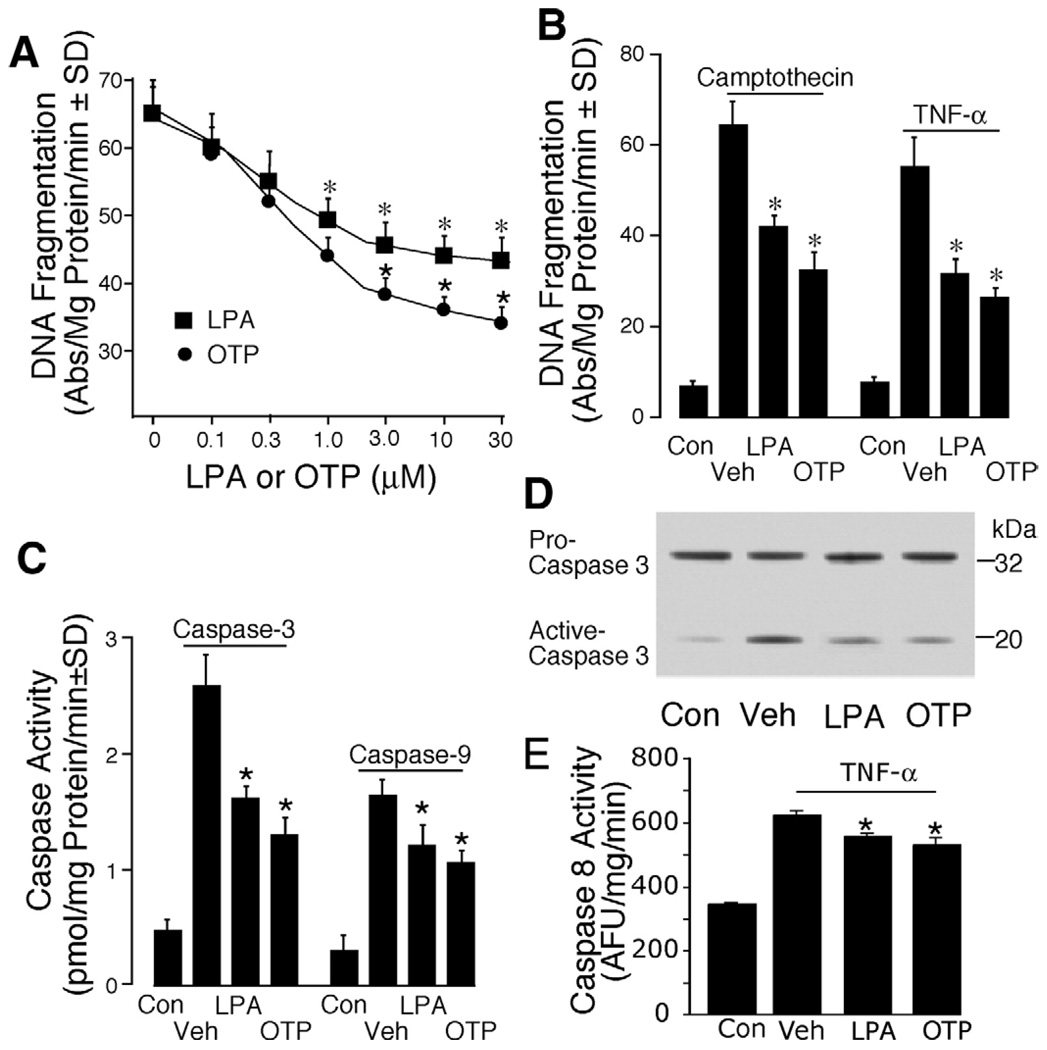
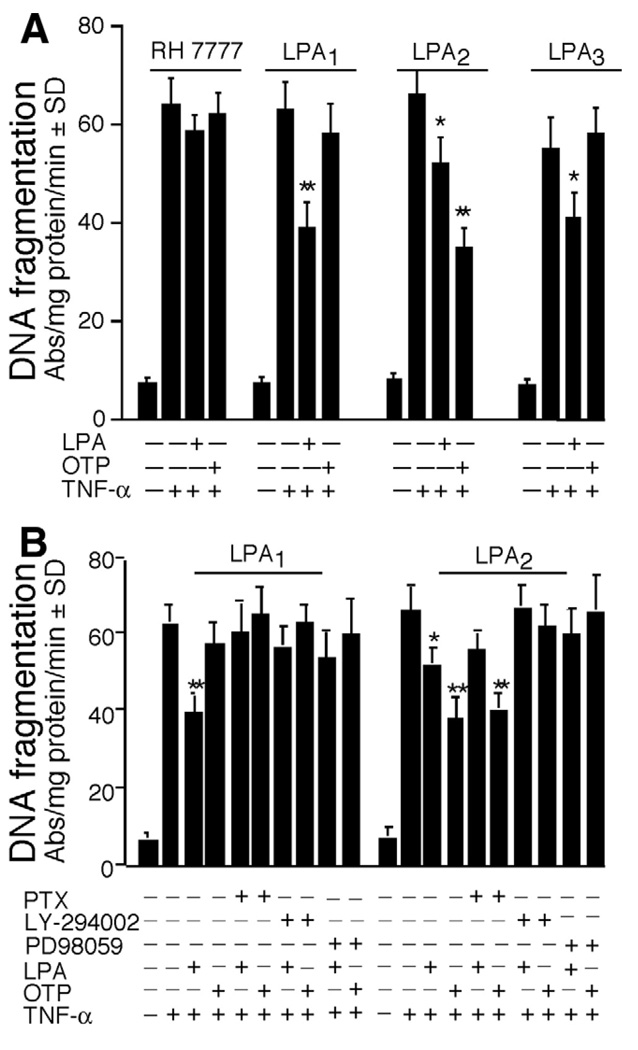
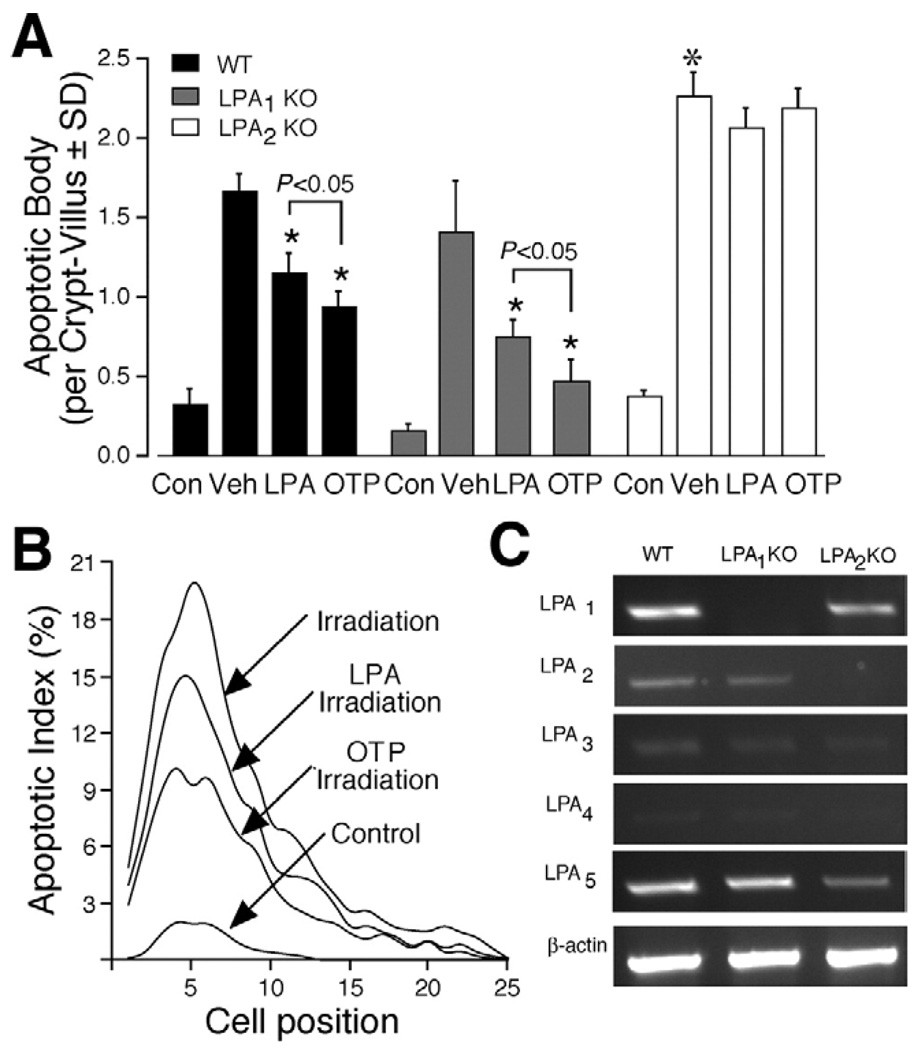
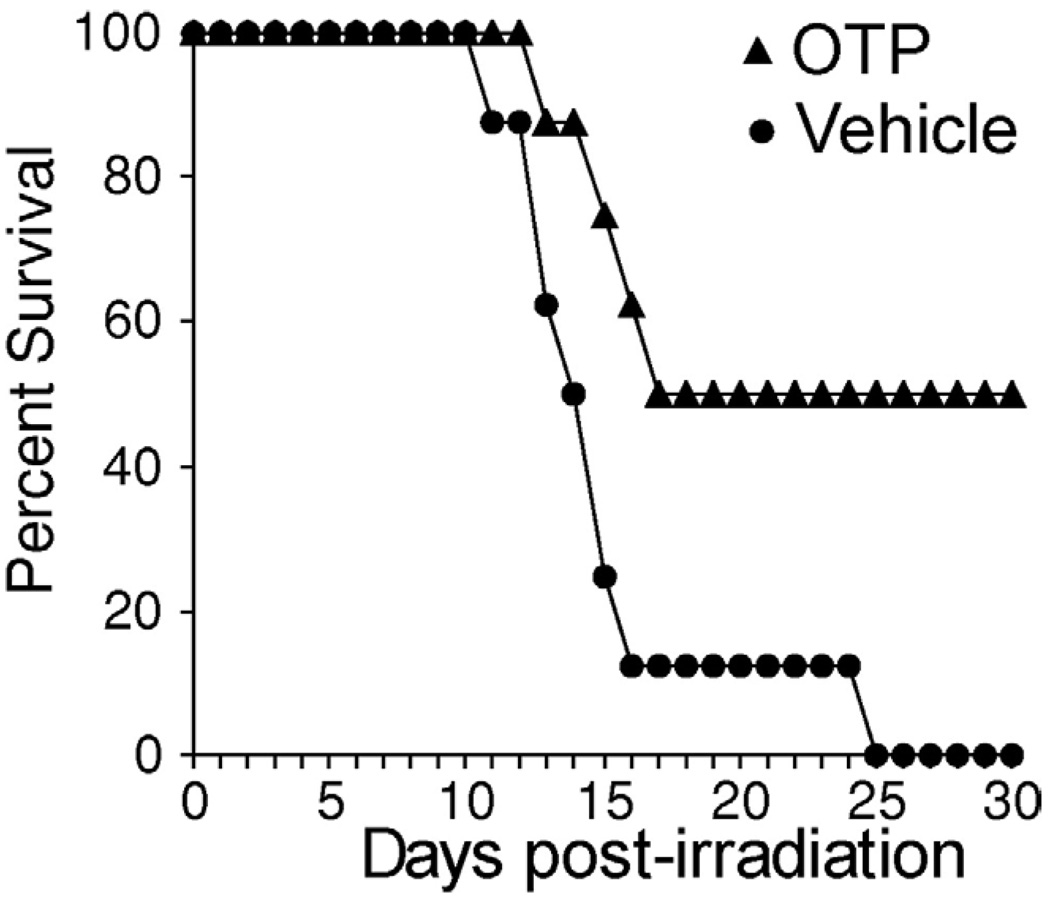
Results: OTP was more efficacious than LPA in reducing gamma irradiation-, camptothecin-, or tumor necrosis factor alpha/cycloheximide-induced apoptosis and caspase-3-8, and caspase-9 activity in the IEC-6 cell line. In RH7777 cells lacking LPA receptors, OTP selectively protected LPA(2) but not LPA(1) and LPA(3) transfectants. In C57BL/6 and LPA(1) knockout mice exposed to 15 Gy gamma irradiation, orally applied OTP reduced the number of apoptotic bodies and activated caspase-3-positive cells but was ineffective in LPA(2) knockout mice. OTP, with higher efficacy than LPA, enhanced intestinal crypt survival in C57BL/6 mice but was without any effect in LPA(2) knockout mice. Intraperitoneally administered OTP reduced death caused by lethal dose (LD)(100/30) radiation by 50%.

Conclusions: Our data indicate that OTP is a highly effective antiapoptotic agent that engages similar prosurvival pathways to LPA through the LPA(2) receptor subtype.


Figures
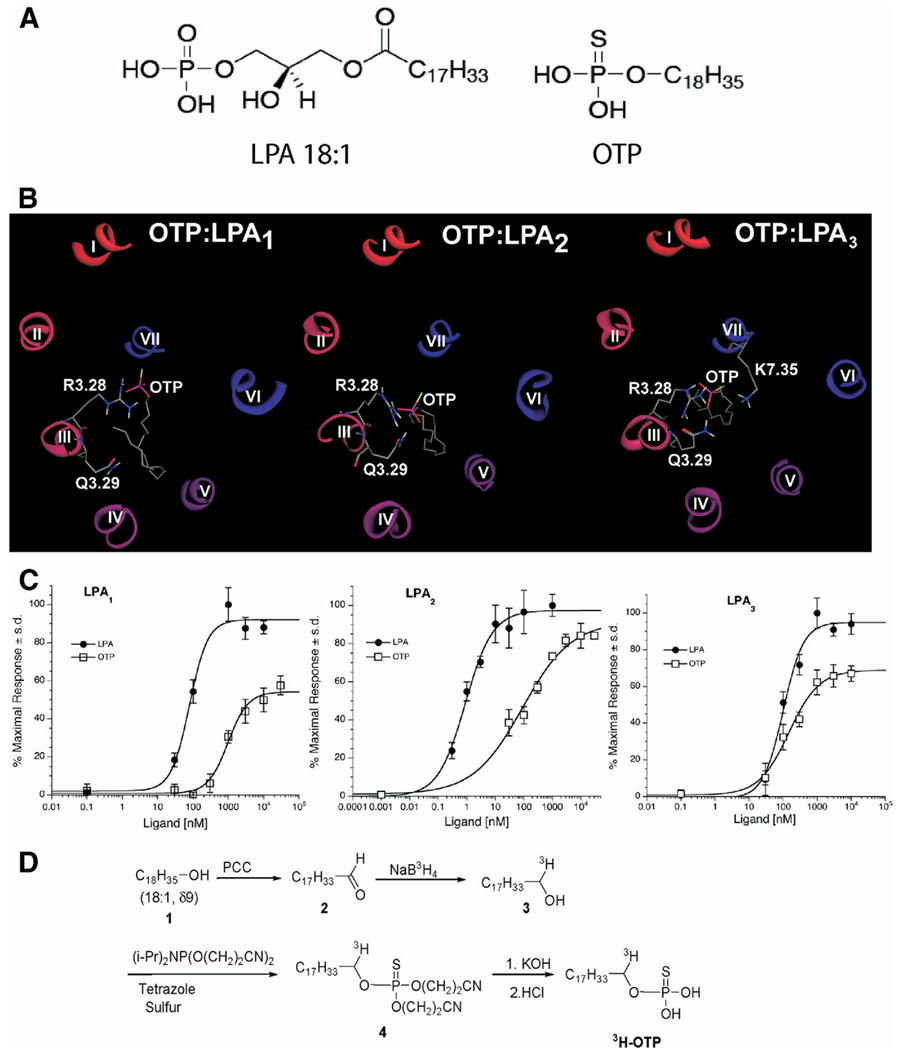
Figure 1
Figure 1
(A) Chemical structures of LPA and OTP. (B) Molecular models of OTP docked into the ligand-binding pocket of LPA receptors. (C) Ca2+ transients elicited by OTP and LPA in RH7777 cells stably expressing the individual EDG family LPA receptors. Wild-type RH7777 cells show no Ca2+ transients in response to LPA up to concentrations as high as 30 µmol/L (data not shown). (D) Synthesis of 3H-labeled OTP (see Materials and Methods for details).
Figure 2
Figure 2
OTP is more effective in reducing apoptosis than is LPA in IEC-6 cells. (A) IEC-6 cells were washed twice and starved in serum-free Dulbecco’s modified Eagle medium overnight. OTP (circles) or LPA (squares), ranging from 0 to 30 µmol/L, was applied 15 minutes before 25 Gy gamma irradiation. DNA fragmentation was evaluated 18 hours postirradiation as described in Materials and Methods. (B) IEC-6 cells were treated with either 10 µmol/L OTP or LPA before exposure to 20 µmol/L camptothecin or 20 ng/mL TNF-α plus 10 µg/mL cycloheximide. DNA fragmentation was evaluated 6 hours later. Con, nontreated control cells; Veh, cells treated with vehicle (10 µmol/L BSA). (C) Vehicle, 10 µmol/L OTP or LPA, was applied to IEC-6 cells 15 minutes before 25 Gy gamma irradiation. Caspase-3 and caspase-9 activities were measured 18 hours postirradiation by enzyme-linked immunosorbent assay. (D) Western blot analysis of caspase-3 activation in LPA- and OTP-treated (10 µmol/L each) EC-6 cells 15 minutes before 25 Gy gamma irradiation. A total of 20 µg cytosolic protein was loaded for each lane. (E) A 15-minute OTP or LPA pretreatment inhibits 20 ng/mL TNF-α plus 10 µg/mL cycloheximide-induced caspase-8 activity. *P< .01 compared with the appropriate control group. Data shown are means ± SD of at least 3 experiments.
Figure 3
Figure 3
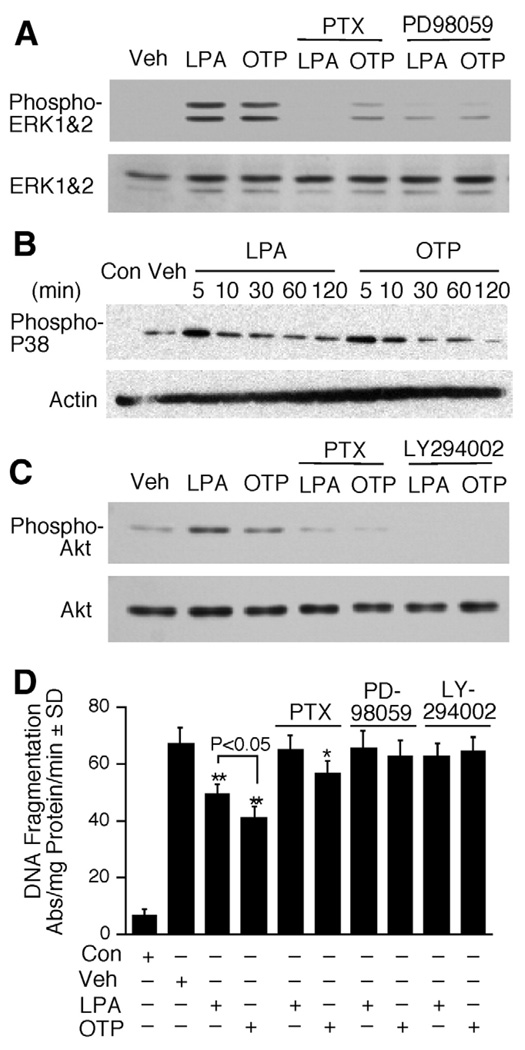
Activation of prosurvival signaling pathways by LPA and OTP in IEC-6 cells. IEC-6 cells were pretreated with PTX (50 ng/mL) overnight, PD98059 (20 µmol/L) for 1 hour, or LY294002 (10 µmol/L) for 30 minutes, followed by the addition of 10 µmol/L OTP or LPA. Activation of (A) ERK1/2, (B) P38 mitogen-activated protein kinase, and (C) PKB/ AKT was evaluated by Western blot after treatment with 10 µmol/L OTP or LPA. A total of 20 µg lysate protein was loaded for each lane. (D) IEC-6 cells were exposed to 25 Gy gamma irradiation 15 minutes after OTP or LPA treatment (10 µmol/L). DNA fragmentation was evaluated 18 hours postirradiation. *P< .05 compared with irradiation alone. **P< .01 compared with irradiation alone. Data shown are means ± SD of at least 3 experiments.
Figure 4
Figure 4
OTP selectively protects LPA2 transfectants against TNF-α/CHX–induced apoptosis. (A) RH7777 cells were transfected with empty pCDNA3.1 vector or LPA1, LPA2, or LPA3 and preincubated with 10 µmol/LOTP or LPA for 15 minutes, followed by TNF-α (20 ng/mL) plus CHX (10 µg/mL) exposure to induce apoptosis. Note that whereas LPA reduced TNF-α/CHX–induced DNA fragmentation in all 3 transfectants, OTP was effective only in LPA2 cells. Both ligands elicited Ca2+ transients in these same cell lines (see Figure 1C). (B) LPA1 and LPA2 transfectants were pretreated with PTX overnight (50 ng/mL), the MEK inhibitor PD98059 (20 µmol/L) for 1 hour, or the PI3K inhibitor LY294002 (10 µmol/L) for 30 minutes, followed by the addition of 10 µmol/L OTP or LPA for 15 minutes and challenged with TNF-α (20 ng/mL) plus CHX (10 µg/mL). DNA fragmentation was evaluated 6 hours after addition of TNF-α/CHX. The reduction in DNA fragmentation was partially sensitive to PTX in LPA2 cells and was abolished in LPA1 cells. *P< .05, **P< .001 compared with TNF-α/CHX alone. Data shown are means ± SD of 3 experiments.
Figure 5
Figure 5
OTP inhibits apoptosis in small intestinal epithelium of mice following gamma irradiation. Wild-type C57BL/6 (closedbars) and LPA1 (gray bars) or LPA2 KO mice (open bars) were given vehicle orally (100 µL of 200 µmol/L BSA control), LPA (2 mg/kg), or OTP (2 mg/kg) 2 hours before subjecting them to 15 Gy whole body gamma irradiation. Animals were killed 4 hours after irradiation to evaluate apoptosis in the small intestine by H&E staining. (A) The mean number of apoptotic cells per crypt-villus unit. Both LPA and OTP caused a statistically significant decrease in the number of apoptotic bodies compared with the vehicle-treated animal group (P< .01). Furthermore, OTP was significantly more effective than LPA (*P< .05). The number of apoptotic bodies was significantly higher in the LPA2 KO mice compared with wild-type or LPA1 mice (*P< .01). (B) Correlation between apoptotic cell index (percentage of apoptotic cells at a given cell position) and their position along the crypt-villus axis. Cells 1–2 are Paneth cells in the graph. n = 6 animals in each group, and a minimum of 100 crypt-villus units was scored in each group. (C) Reverse-transcription polymerase chain reaction analysis of LPA G protein–coupled receptors in jejunum isolated from wild-type, LPA1−/−, and LPA2−/− mice.
Figure 6
Figure 6
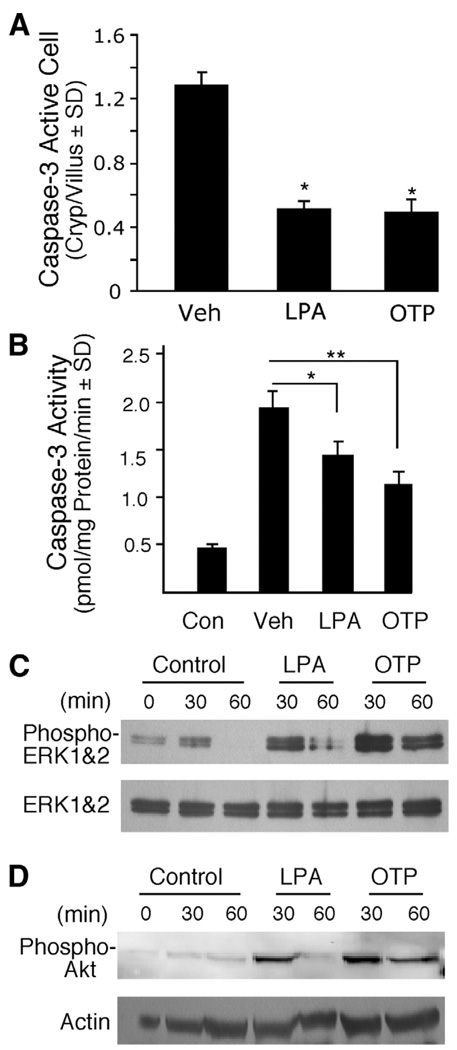
OTP and LPA reduced caspase-3 activation and activated prosurvival pathways in vivo. C57BL/6 mice were pretreated with 2 mg/kg LPA or OTP for 2 hours and subjected to 15 Gy radiation exposure. Mice were killed 4 hours after radiation. (A) Quantification of active caspase-3 immunoreactive cells. Paraffin-embedded jejunum sections from animals treated with radiation and pretreated with either LPA or OTP were stained with a rabbit polyclonal active caspase-3 antibody and fluorescein-labeled secondary antibody using indirect immunofluorescence as described in Materials and Methods, and the sections were counterstained with 4′,6-diamidino-2-phenylindole (DAPI). Active caspase-3 immunoreactive cells were counted in a minimum of 100 crypt-villus units in groups of 4 animals in the groups. Both agents significantly reduced the number of activated caspase-3–positive cells (*P< .05) when compared with vehicle-treated controls. (B) Caspase-3 activity was determined in epithelial cell lysates prepared from the same animals whose jejunum segments were used for activated caspase-3 immunostaining in A. LPA and OTP both significantly reduced caspase-3 activity in the tissue lysates, a finding in agreement with the reduced number of active caspase-3 cells. (*P< .05, **P< .01) (C and D) Jejunum tissue from mice orally treated with vehicle, 2 mg/kg LPA, or OTP for the indicated times was homogenized and lysates were analyzed using Western blotting with (C) anti–phospho-ERK1/2 or (D) anti–phospho-AKT antibodies and appropriate antibodies to the non-phosphorylated forms of the kinases to monitor equal loading. Note that the activation of both kinases was more robust and longer lasting for OTP compared with LPA.
Figure 7
Figure 7
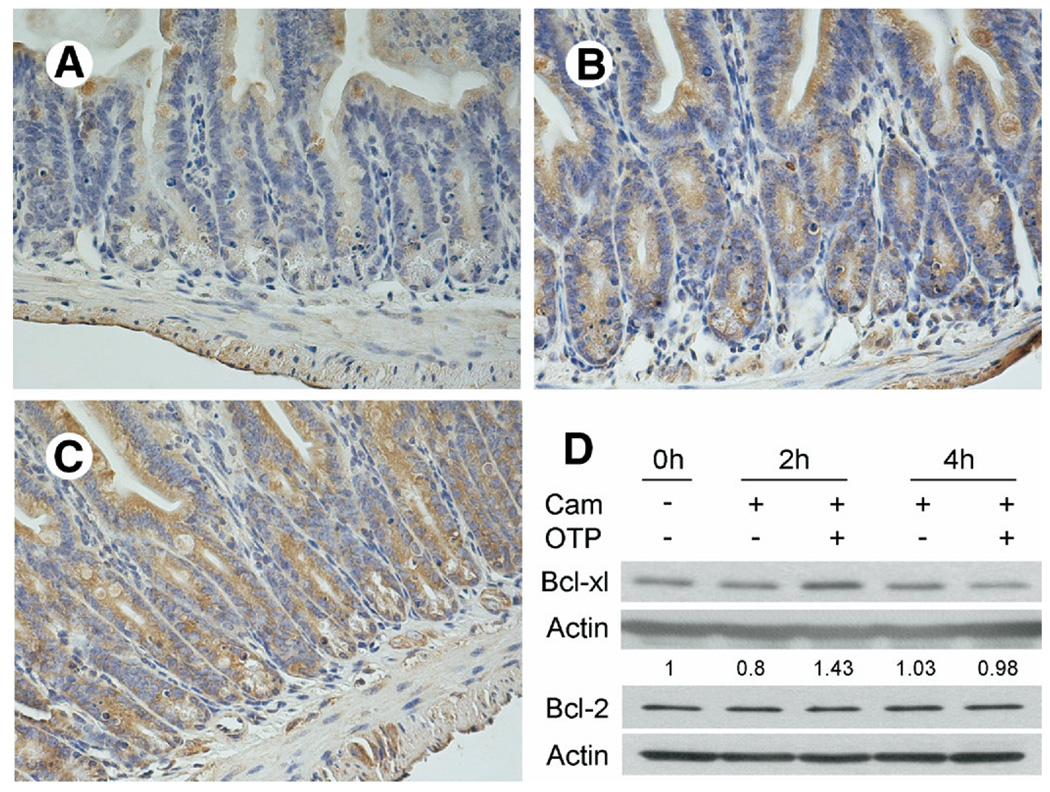
Immunohistochemical localization of antiapoptotic Bcl-XL protein in vehicle- (200 µmol/L BSA), LPA-, and OTP-pretreated (2 mg/kg each) irradiated small intestinal sections of C57BL/6 mice. Sections of (A) vehicle-treated mice showed less Bcl-XL expression compared with sections obtained from mice treated with (B) LPA or (C) OTP. Calibration bar = 200 µm. The patterns shown are representative to sections obtained from all mice in the corresponding group of 4 mice per treatment. (D) OTP increases the cytoplasmic level of Bcl-XL but not Bcl-2 in camptothecin-treated EC-6 cells. After overnight serum starvation, IEC-6 cells were pretreated with 10 µmol/L OTP or vehicle for 1 hour before challenge with 20 µmol/L camptothecin (Cam). A 20 µg cytoplasmic protein was loaded for each lane and blotted with anti–Bcl-XL or anti–Bcl-2 antibodies as described in Materials and Methods. Note that OTP increased the amount of Bcl-XL but not of Bcl-2 that peaked at 2 hours after camptothecin and decreased to control level by 4 hours.
Figure 8
Figure 8
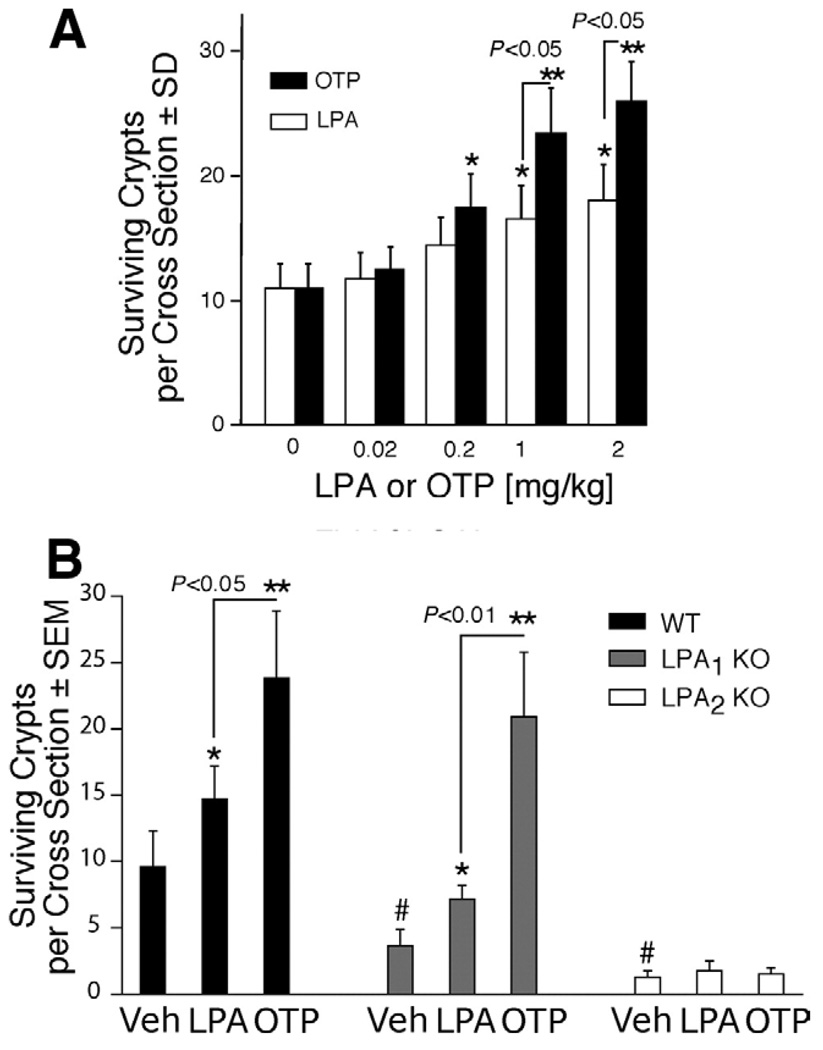
Clonogenic regeneration assays reveal increased intestinal crypt survival in OTP- and LPA-treated mice following irradiation. (A) Wild-type C57BL/6 mice were given either vehicle (BSA 200 µmol/ L), LPA, or OTP (0–2 mg/kg) orally 2 hours before being subjected to 15 Gy whole body gamma irradiation. (B) Wild-type C57BL/6 (closedbars), LPA1 KO (gray bars), or LPA2 KO mice (open bars) were orally given vehicle, LPA, or OTP, 2 mg/kg, 2 hours before 15 Gy gamma irradiation, and the animals were killed 4 days after irradiation. Crypt survival was evaluated by H&E staining combined with BrdU immunostaining. n = 6 in each group. Data are expressed as means ± SD of surviving crypts per cross section. The level of significance based on Student t test was *P< .05 or **P< .01 between the designated groups and was #P< .01 compared with irradiation alone and between the mean crypt survival in wild-type and LPA1 and LPA2 KO mice.
Figure 9
Figure 9
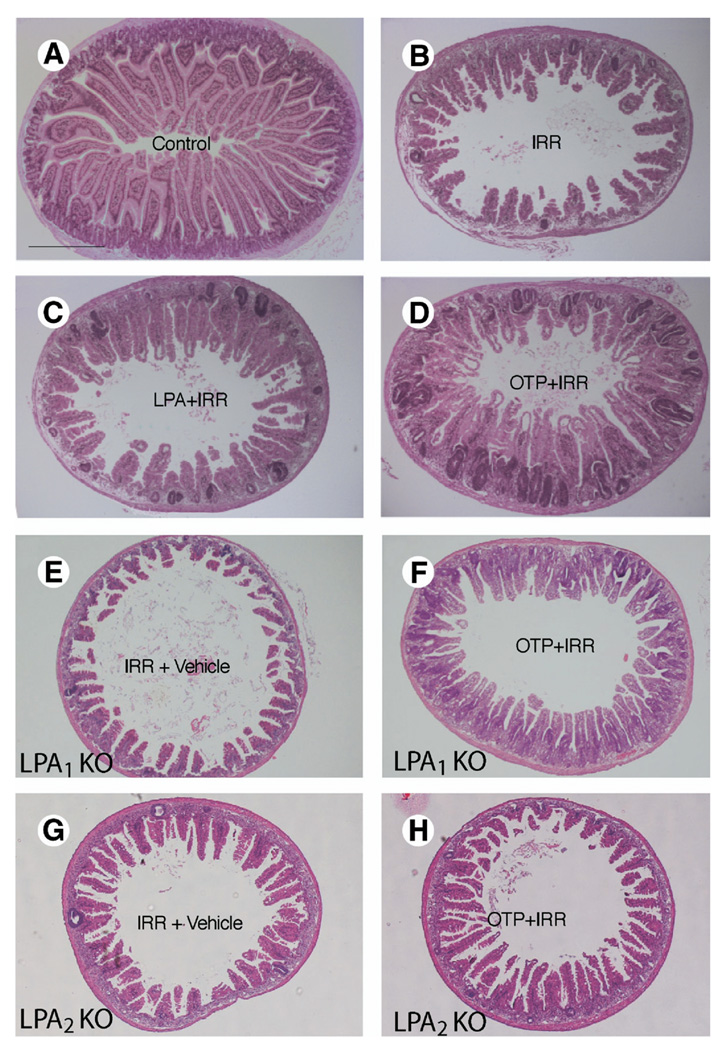
Representative H&E-stained gut cross sections from (A) nonirradiated control, (B) irradiated vehicle-treated, (C) LPA-treated (2 mg/kg), and (D) OTP-treated wild-type (2 mg/kg) mice, (E and G) vehicle-treated LPA1 and LPA2 KO mice, and OTP-treated (2 mg/kg) (F) LPA1 KO and (H) LPA2 KO mice taken 4 days after irradiation. Calibration bar = ~500 µm.
Figure 10
Figure 10
OTP administered intraperitoneally 30 minutes before irradiation with a 9-Gy (LD100/30) dose increased 30-day survival over vehicle-treated controls.

References

    1. Potten CS. Radiation, the ideal cytotoxic agent for studying the cell biology of tissues such as the small intestine. Radiat Res. 2004;161:123–136. - PubMed
    1. Tigyi G, Parrill AL. Molecular mechanisms of lysophosphatidic acid action. Prog Lipid Res. 2003;42:498–526. - PubMed
    1. Moolenaar WH, van Meeteren LA, Giepmans BN. The ins and outs of lysophosphatidic acid signaling. Bioessays. 2004;26:870–881. - PubMed
    1. Ishii I, Fukushima N, Ye X, Chun J. Lysophospholipid receptors: signaling and biology. Annu Rev Biochem. 2004;73:321–354. - PubMed
    1. Noguchi K, Ishii S, Shimizu T. Identification of p2y9/GPR23 as a novel G protein-coupled receptor for lysophosphatidic acid, structurally distant from the Edg family. J Biol Chem. 2003;278:25600–25606. - PubMed

Publication types

MeSH terms

Substances