


Stem cells in the adult pancreas and liver
- PMID: 17488235
- PMCID: PMC2715288
- DOI: 10.1042/BJ20070167
Stem cells in the adult pancreas and liver
Abstract
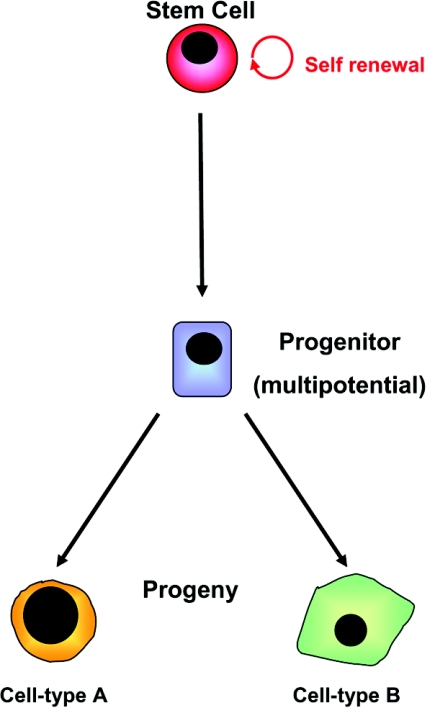
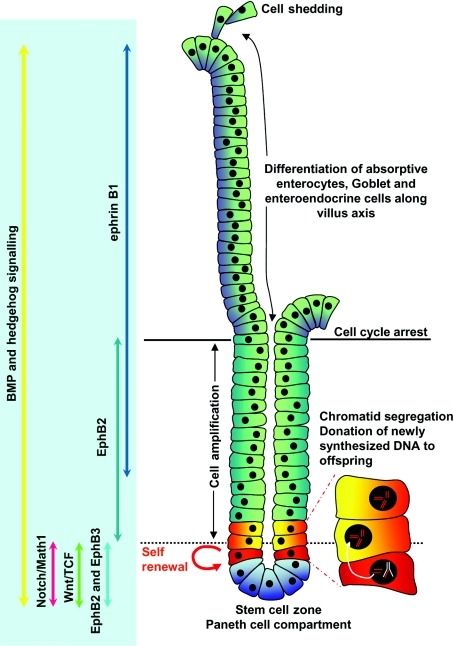
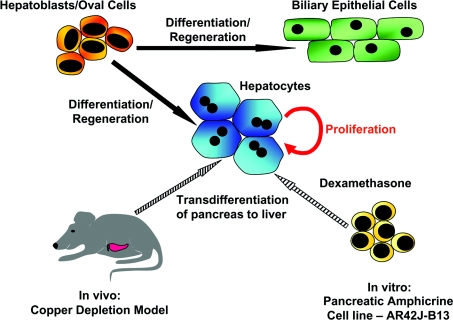
Stem cells are undifferentiated cells that can self-renew and generate specialized (functional) cell types. The remarkable ability of stem cells to differentiate towards functional cells makes them suitable modalities in cellular therapy (which means treating diseases with the body's own cells). Potential targets for cellular therapy include diabetes and liver failure. However, in order for stem cells to be clinically useful, we must learn to identify them and to regulate their differentiation. We will use the intestine as a classical example of a stem cell compartment, and then examine the evidence for the existence of adult stem cells in two endodermally derived organs: pancreas and liver. We will review the characteristics of the putative stem cells in these tissues and the transcription factors controlling their differentiation towards functional cell types.
Figures
References
-
- Odorico J. S., Kaufman D. S., Thomson J. A. Multilineage differentiation from human embryonic stem cell lines. Stem Cells. 2001;19:193–204. - PubMed
-
- de Wert G., Mummery C. Human embryonic stem cells: research, ethics and policy. Hum. Reprod. 2003;18:672–682. - PubMed
-
- Magami Y., Azuma T., Inokuchi H., Kokuno S., Moriyasu F., Kawai K., Hattori T. Cell proliferation and renewal of normal hepatocytes and bile duct cells in adult mouse liver. Liver. 2002;22:419–425. - PubMed
-
- Tosh D., Strain A. Liver stem cells – prospects for clinical use. J. Hepatol. 2005;42(Suppl.):S75–S84. - PubMed
Publication types
MeSH terms
Grants and funding
LinkOut - more resources
Full Text Sources
Other Literature Sources
