


Structure-Activity Relationships of Synthetic Coumarins as HIV-1 Inhibitors
- PMID: 17497014
- PMCID: PMC1686293
- DOI: 10.1155/BCA/2006/68274
Structure-Activity Relationships of Synthetic Coumarins as HIV-1 Inhibitors
Abstract
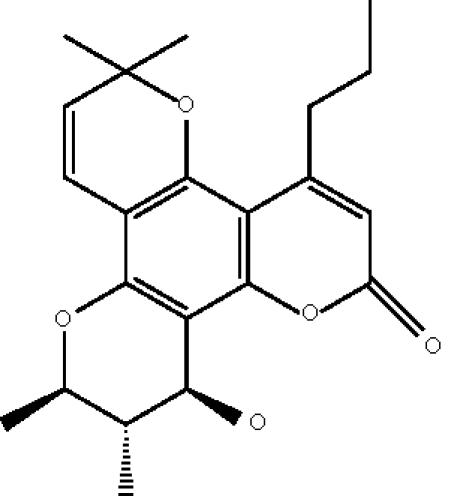
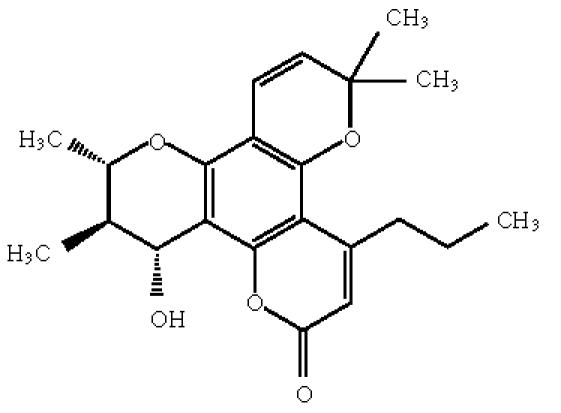
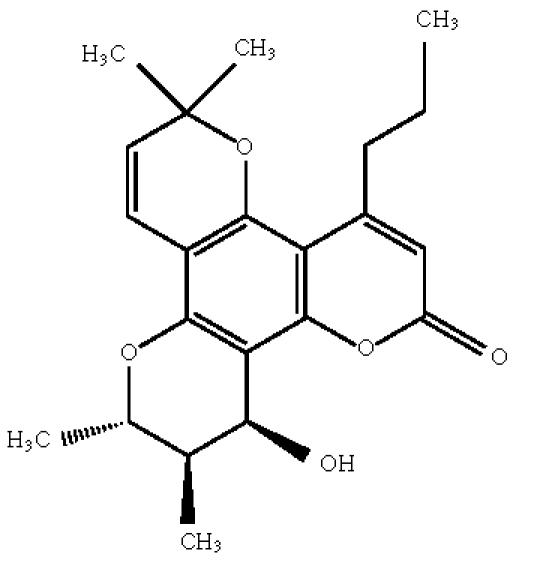
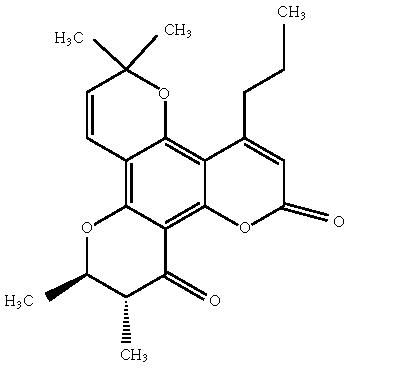
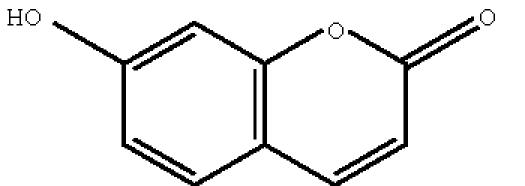
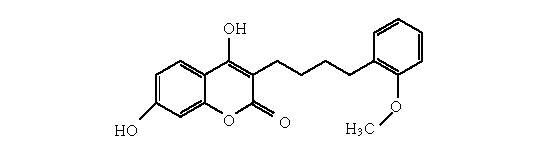
HIV/AIDS pandemics is a serious threat to health and development of mankind, and searching for effective anti-HIV agents remains actual. Considerable progress has been made in recent years in the field of drug development against HIV. A lot of structurally different coumarins were found to display potent anti-HIV activity. The current review demonstrates the variety of synthetic coumarins having unique mechanism of action referring to the different stages of HIV replication. Recent studies based on the account of various synthetic coumarins seem to indicate that some of them serve as potent non-nucleoside RT-inhibitors, another as inhibitors of HIV-integrase or HIV-protease. The merits of selecting potential anti-HIV agents to be used in rational combination drugs design and structure-activity relationships are discussed.The scientific community is looking actively for new drugs and combinations for treatment of HIV infection effective for first-line treatment, as well as against resistant mutants. The investigation on chemical anti-HIV agents gives hope and optimism about it. This review article describes recent progress in the discovery, structure modification, and structure-activity relationship studies of potent anti-HIV coumarin derivatives.
Figures

References
-
- Lee K-H, Morris-Natschke S. Recent advances in the discovery and development of plant-derived natural products and their analogs as anti-HIV agents. Pure and Applied Chemistry. 1999;71(6):1045–1052.
-
- Kashman Y, Gustafson KR, Fuller RW, et al. HIV inhibitory natural products. Part 7. The calanolides, a novel HIV-inhibitory class of coumarin derivatives from the tropical rainforest tree, Calophyllum lanigerum. Journal of Medicinal Chemistry. 1992;35(15):2735–2743. - PubMed
-
- Creagh T, Ruckle JL, Tolbert DT, et al. Safety and pharmacokinetics of single doses of (+)-calanolide A, a novel, naturally occurring nonnucleoside reverse transcriptase inhibitor, in healthy, human immunodeficiency virus-negative human subjects. Antimicrobial Agents and Chemotherapy. 2001;45(5):1379–1386. - PMC - PubMed
-
- Xu Z-Q, Flavin MT, Jenta TR. Calanolides, the naturally occurring anti-HIV agents. Current Opinion in Drug Discovery & Development. 2000;3(2):155–166. - PubMed
-
- Flavin MT, Rizzo JD, Khilevich A, et al. Synthesis, chromatographic resolution, and anti-human immunodeficiency virus activity of (±)-calanolide A and its enantiomers. Journal of Medicinal Chemistry. 1996;39(6):1303–1313. - PubMed
LinkOut - more resources
Full Text Sources
Other Literature Sources
