


Generation of superoxide and singlet oxygen from alpha-tocopherolquinone and analogues
- PMID: 17516246
- PMCID: PMC2080821
- DOI: 10.1080/10715760701324075
Generation of superoxide and singlet oxygen from alpha-tocopherolquinone and analogues
Abstract
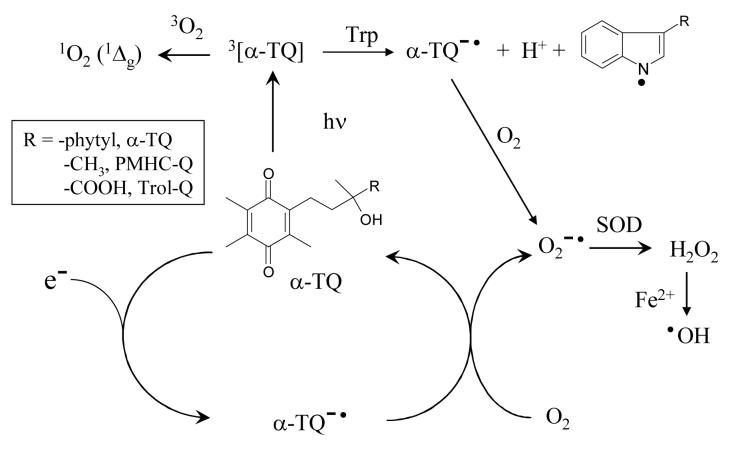
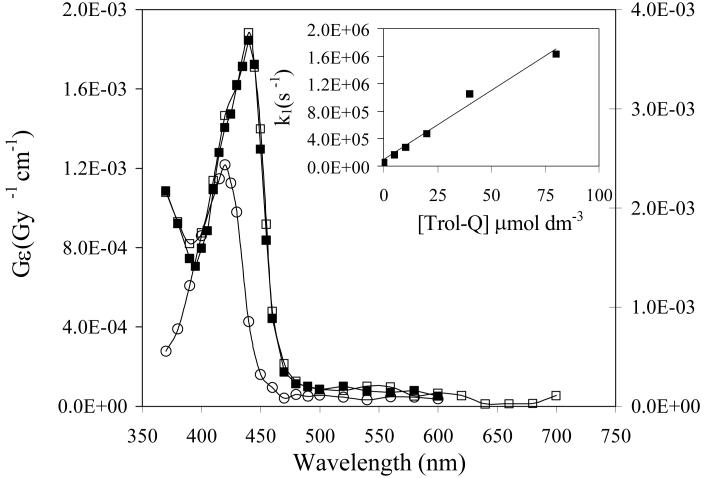
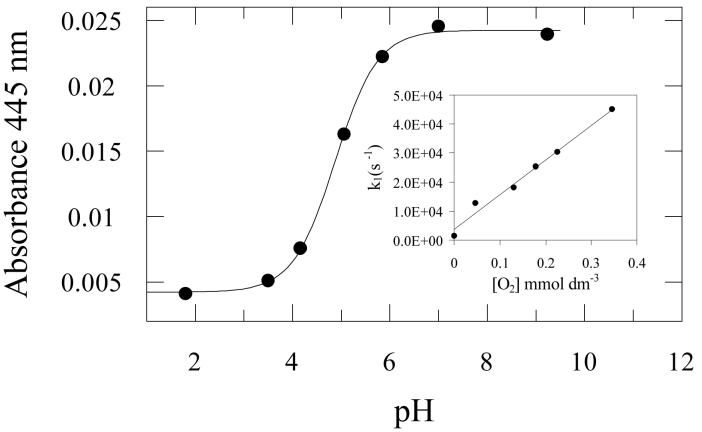
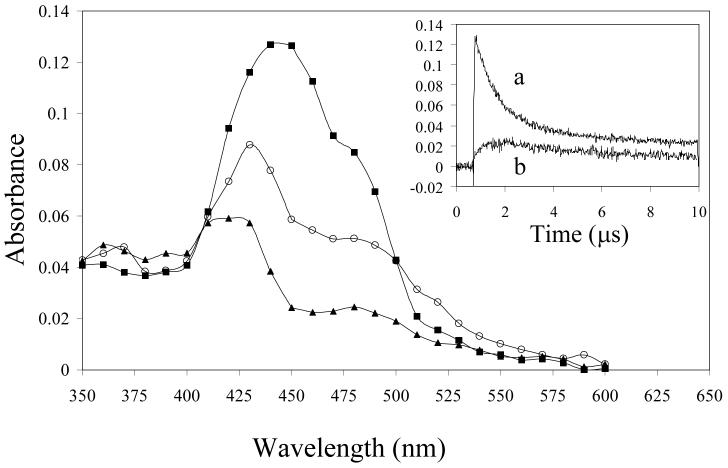
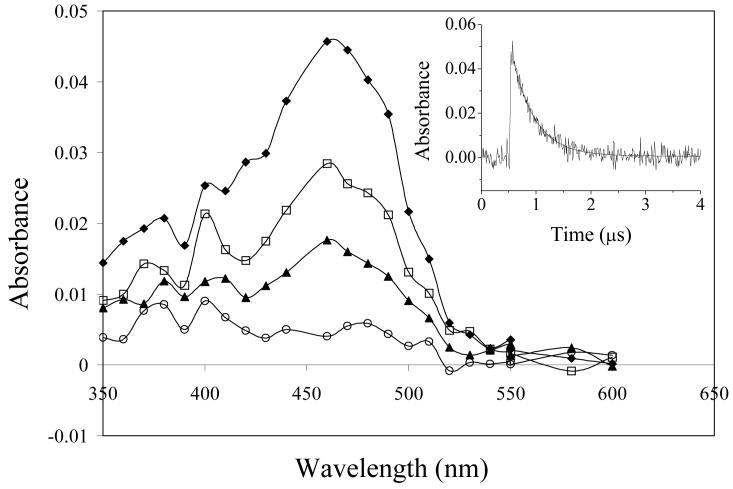
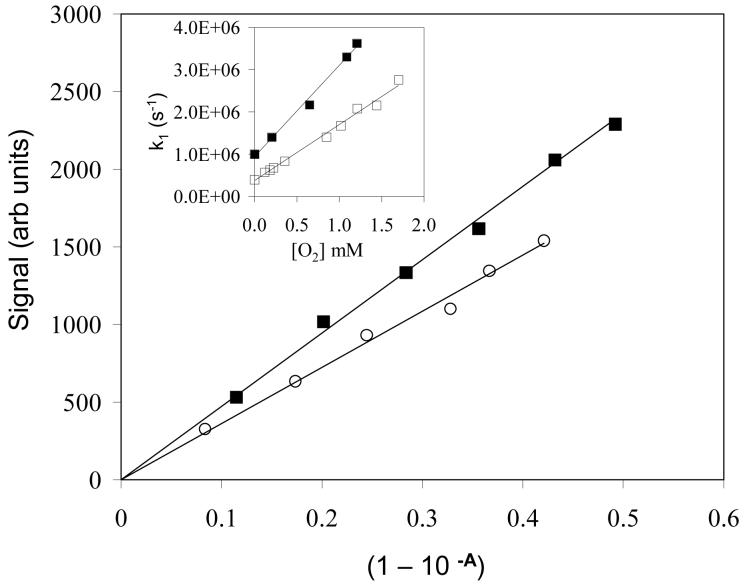
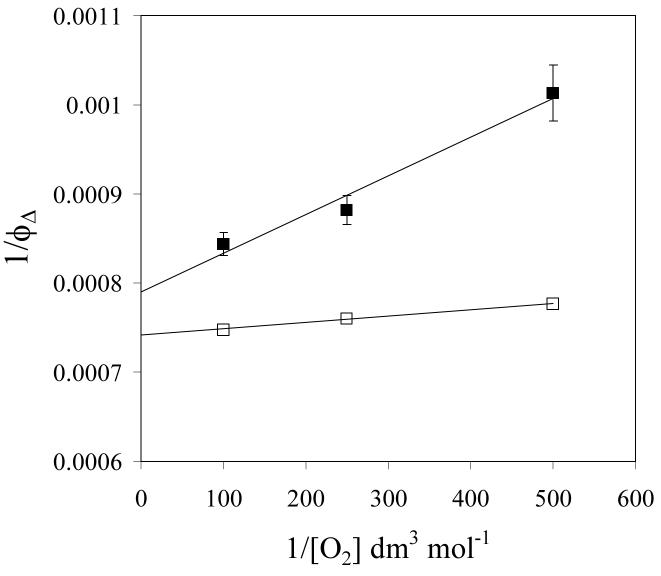
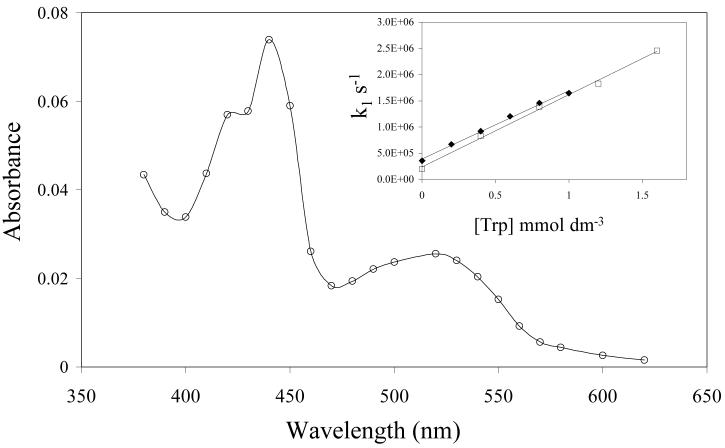
Three potential routes to generation of reactive oxygen species (ROS) from alpha-tocopherolquinone (alpha-TQ) have been identified. The quinone of the water-soluble vitamin E analogue Trolox C (Trol-Q) is reduced by hydrated electron and isopropanol alpha-hydroxyalkyl radical, and the resulting semiquinone reacts with molecular oxygen to form superoxide with a second order rate constant of 1.3 x 10(8) dm(3)/mol/s, illustrating the potential for redox cycling. Illumination (UV-A, 355 nm) of the quinone of 2,2,5,7,8-pentamethyl-6-hydroxychromanol (PMHC-Q) leads to a reactive short-lived (ca. 10(- 6) s) triplet state, able to oxidise tryptophan with a second order rate constant greater than 10(9) dm(3)/mol/s. The triplet states of these quinones sensitize singlet oxygen formation with quantum yields of about 0.8. Such potentially damaging reactions of alpha-TQ may in part account for the recent findings that high levels of dietary vitamin E supplementation lack any beneficial effect and may lead to slightly enhanced levels of overall mortality.
Figures
References
-
- Bjelakovic G, Nikolova D, Simonetti RG, Gluud C. Antioxidant supplements for prevention of gastrointestinal cancers: a systemic review and meta-analysis. Lancet. 2004;364:1219–1228. - PubMed
-
- Miller ER, Pastor-Barriuso R, Dalal D, Riemersma RA, Appel LJ, Guallar E. Meta-analysis: high dose vitamin E supplementation may increase all-cause mortality. Ann Intern Med. 2005;142:37–46. - PubMed
-
- Halliwell B. Polyphenols: antioxidant treats for healthy living or covert toxins? J Sci Food Agric. 2006;86:1992–1995.
-
- Brigelius-Flohé R, Traber MG, Vitamin E. function and metabolism. FASEB J. 1999;13:1145–1155. - PubMed
-
- Pryor WA. Vitamin E and heart disease: Basic science to clinical intervention trials. Free Rad Biol Med. 2000;28:141–164. - PubMed
Publication types
MeSH terms
Substances
LinkOut - more resources
Full Text Sources
Medical
