


A recombinant human monoclonal antibody to human metapneumovirus fusion protein that neutralizes virus in vitro and is effective therapeutically in vivo
- PMID: 17522220
- PMCID: PMC1951312
- DOI: 10.1128/JVI.00106-07
A recombinant human monoclonal antibody to human metapneumovirus fusion protein that neutralizes virus in vitro and is effective therapeutically in vivo
Abstract
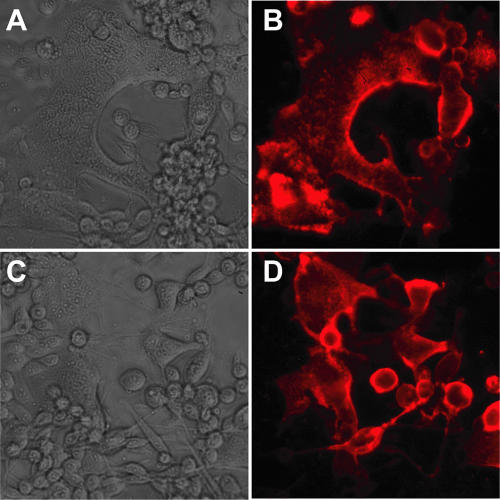
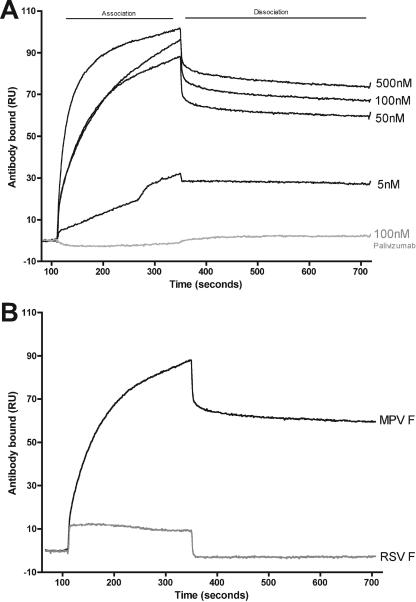
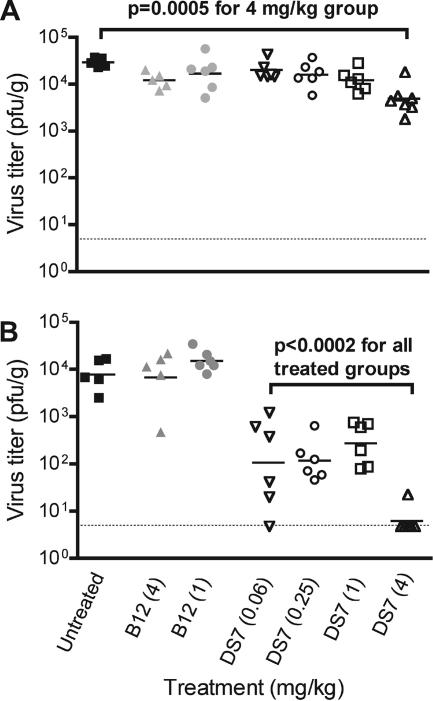
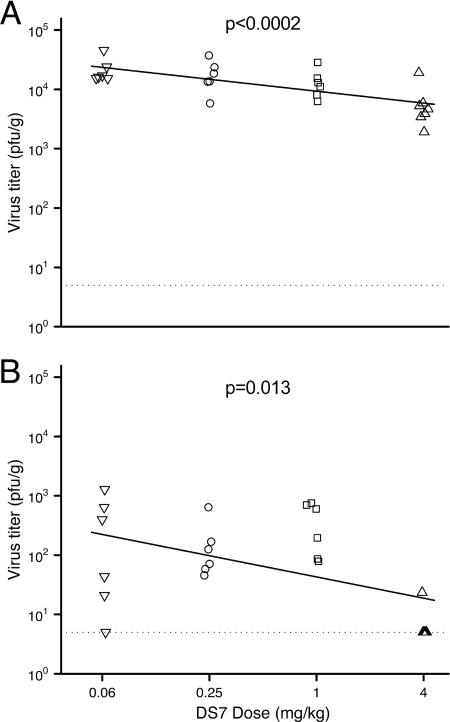
Human metapneumovirus (hMPV) is a recently discovered paramyxovirus that is a major cause of lower-respiratory-tract disease. hMPV is associated with more severe disease in infants and persons with underlying medical conditions. Animal studies have shown that the hMPV fusion (F) protein alone is capable of inducing protective immunity. Here, we report the use of phage display technology to generate a fully human monoclonal antibody fragment (Fab) with biological activity against hMPV. Phage antibody libraries prepared from human donor tissues were selected against recombinant hMPV F protein with multiple rounds of panning. Recombinant Fabs then were expressed in bacteria, and supernatants were screened by enzyme-linked immunosorbent assay and immunofluorescent assays. A number of Fabs that bound to hMPV F were isolated, and several of these exhibited neutralizing activity in vitro. Fab DS7 neutralized the parent strain of hMPV with a 60% plaque reduction activity of 1.1 mug/ml and bound to hMPV F with an affinity of 9.8 x10(-10) M, as measured by surface plasmon resonance. To test the in vivo activity of Fab DS7, groups of cotton rats were infected with hMPV and given Fab intranasally 3 days after infection. Nasal turbinates and lungs were harvested on day 4 postinfection and virus titers determined. Animals treated with Fab DS7 exhibited a >1,500-fold reduction in viral titer in the lungs, with a modest 4-fold reduction in the nasal tissues. There was a dose-response relationship between the dose of DS7 and virus titer. Human Fab DS7 may have prophylactic or therapeutic potential against severe hMPV infection.
Figures
References
-
- Baert, F., M. Noman, S. Vermeire, G. Van Assche, G. D'Haens, A. Carbonez, and P. Rutgeerts. 2003. Influence of immunogenicity on the long-term efficacy of infliximab in Crohn's disease. N. Engl. J. Med. 348:601-608. - PubMed
-
- Barbas, C. F., III, J. E. Crowe, Jr., D. Cababa, T. M. Jones, S. L. Zebedee, B. R. Murphy, R. M. Chanock, and D. R. Burton. 1992. Human monoclonal Fab fragments derived from a combinatorial library bind to respiratory syncytial virus F glycoprotein and neutralize infectivity. Proc. Natl. Acad. Sci. USA 89:10164-10168. - PMC - PubMed
-
- Boeckh, M., V. Erard, D. Zerr, and J. Englund. 2005. Emerging viral infections after hematopoietic cell transplantation. Pediatr. Transplant. 9(Suppl. 7):48-54. - PubMed
-
- Boivin, G., Y. Abed, G. Pelletier, L. Ruel, D. Moisan, S. Cote, T. C. Peret, D. D. Erdman, and L. J. Anderson. 2002. Virological features and clinical manifestations associated with human metapneumovirus: a new paramyxovirus responsible for acute respiratory-tract infections in all age groups. J. Infect. Dis. 186:1330-1334. - PubMed
Publication types
MeSH terms
Substances
Grants and funding
LinkOut - more resources
Full Text Sources
Other Literature Sources
