Avulsion injuries of the hamstring origin - a series of 12 patients and management algorithm
- PMID: 17535619
- PMCID: PMC1963576
- DOI: 10.1308/003588407X183427
Avulsion injuries of the hamstring origin - a series of 12 patients and management algorithm
Abstract
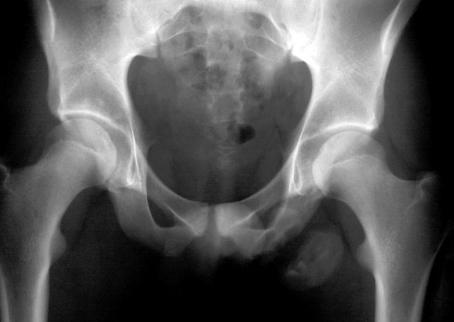
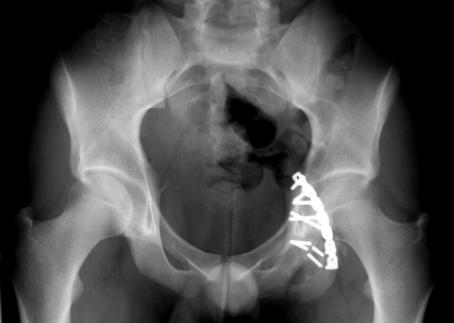
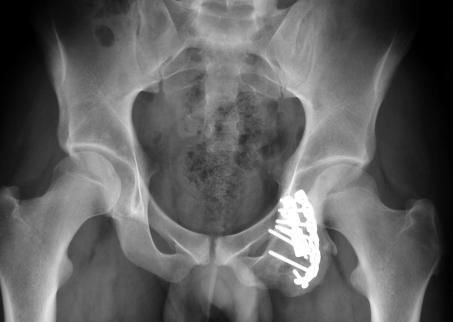
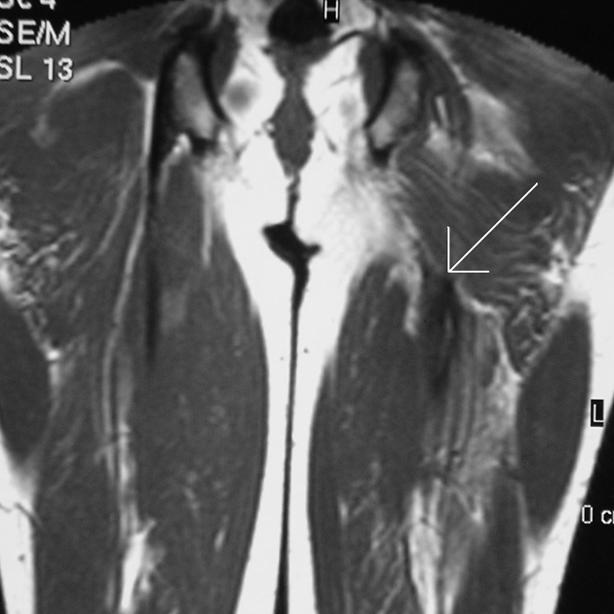
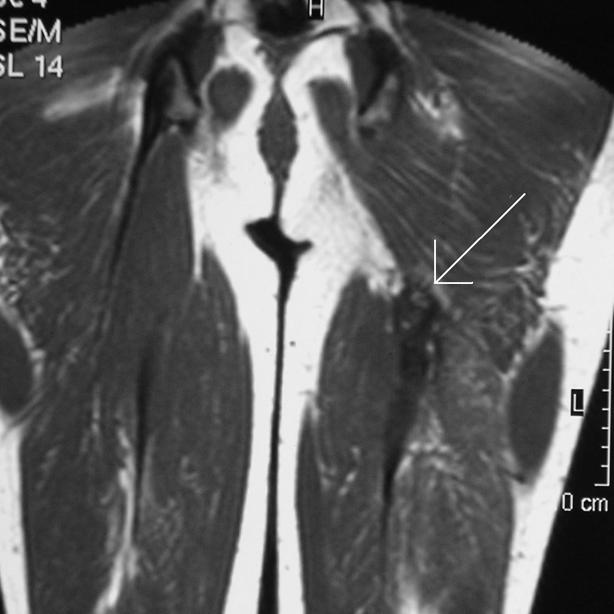
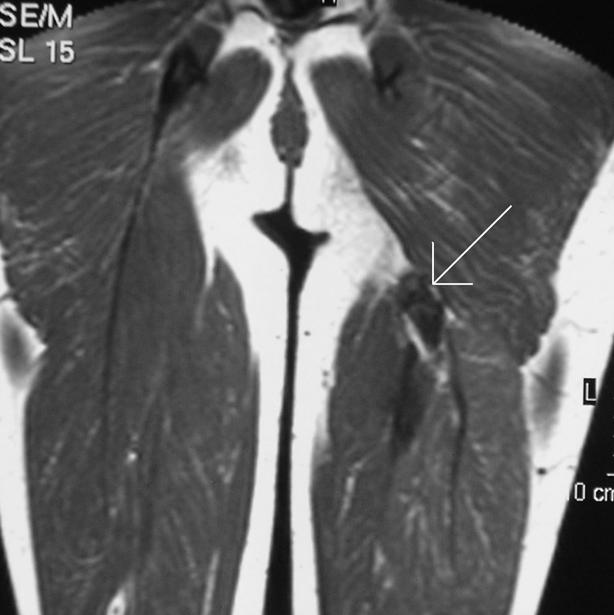
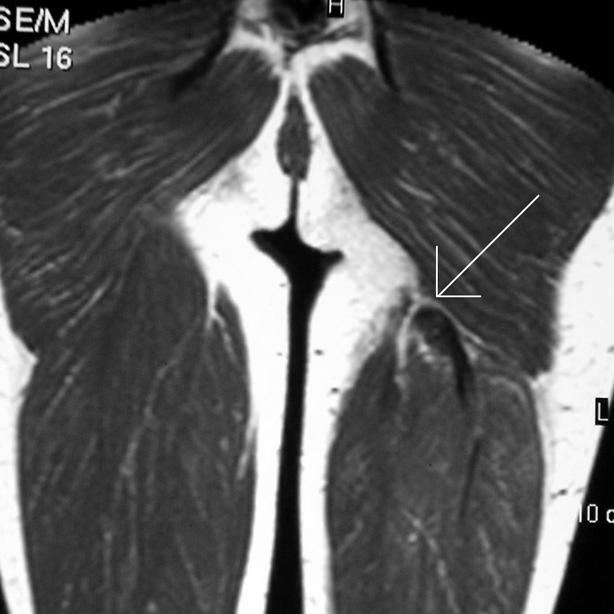
Introduction: Injuries to the origin of the hamstring muscles usually occur in athletes and can result in an avulsion fracture of the ischium, an avulsion of the ischial apophysis, or a pure avulsion of the hamstring tendons themselves, depending on the patient's age. These are rare injuries in the general population and are often initially misdiagnosed as a simple 'hamstring pull', leading to the development of chronic pain and disability.
Patients and methods: We present a retrospective case series of the 12 patients with such injuries who presented or were referred consecutively to the senior author between 1997 and 2006.
Results: There was a significant delay (5 months to 12 years) in the diagnosis of the injury in 8 of the 12 patients. Five of these 8 patients required more extensive surgery than would otherwise have been required as a result of this delay, but all recovered well. The sporting career of one of the remaining three patients had already been brought to an end by her injury and the subsequent disability, and she elected not to have surgery. Of the four patients who were diagnosed acutely, three required surgery, and all four had an excellent result.
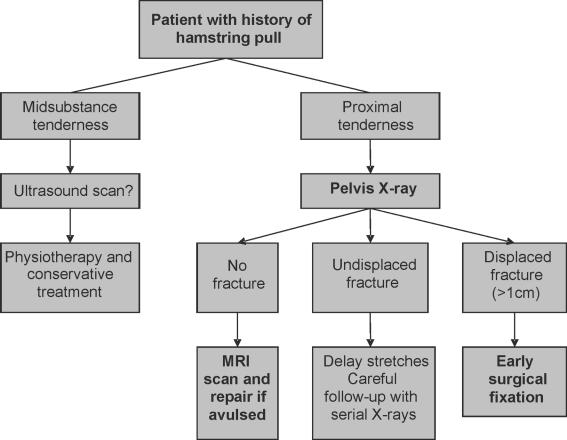
Conclusions: Injuries to the hamstring origin are rare and are often initially misdiagnosed as a simple 'hamstring pull', leading to the development of chronic pain and disability. Displaced injuries of the ischial apophysis and pure tendon avulsions are probably best treated surgically in the acute setting. As a result of our experience with these patients, we have produced a management algorithm.
Figures
References
-
- Kujala UM, Orava S, Jarvinen M. Hamstring injuries. Current trends in treatment and prevention. Sports Med. 1997;23:397–404. - PubMed
-
- Thomsen NO, Jensen TT. Late repair of rupture of the hamstring tendons from the ischial tuberosity – a case report. Acta Orthop Scand. 1999;70:89–91. - PubMed
-
- Wootton JR, Cross MJ, Holt KWG. Avulsion of the ischial apophysis. The case for open reduction and internal fixation. J Bone Joint Surg Br. 1990;72:625–7. - PubMed
-
- Cross MJ, Vandersluis R, Wood D, Banff M. Surgical repair of chronic complete hamstring tendon rupture in the adult patient. Am J Sports Med. 1998;26:785–8. - PubMed
MeSH terms
LinkOut - more resources
Full Text Sources
Medical
Research Materials