


TNF-alpha suppresses alpha-smooth muscle actin expression in human dermal fibroblasts: an implication for abnormal wound healing
- PMID: 17554369
- PMCID: PMC2366884
- DOI: 10.1038/sj.jid.5700890
TNF-alpha suppresses alpha-smooth muscle actin expression in human dermal fibroblasts: an implication for abnormal wound healing
Abstract
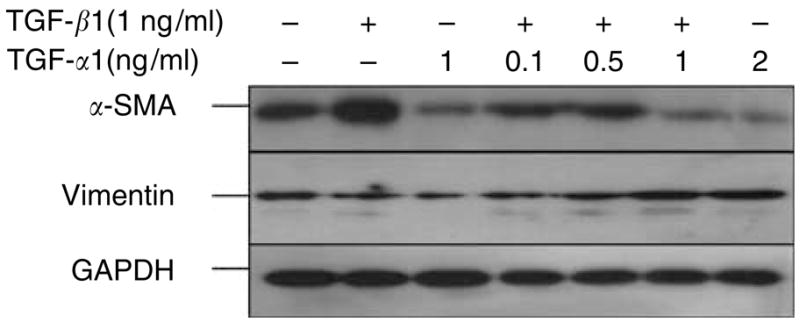
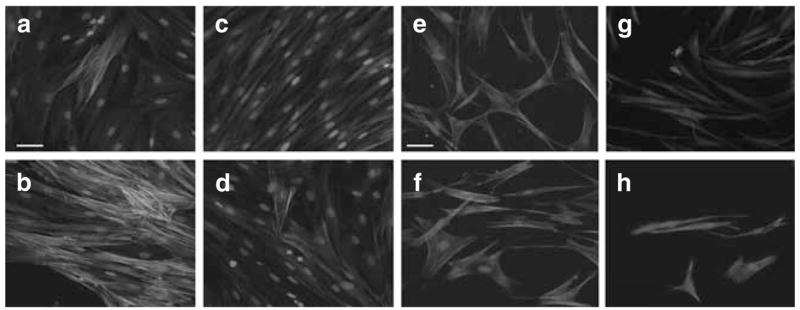
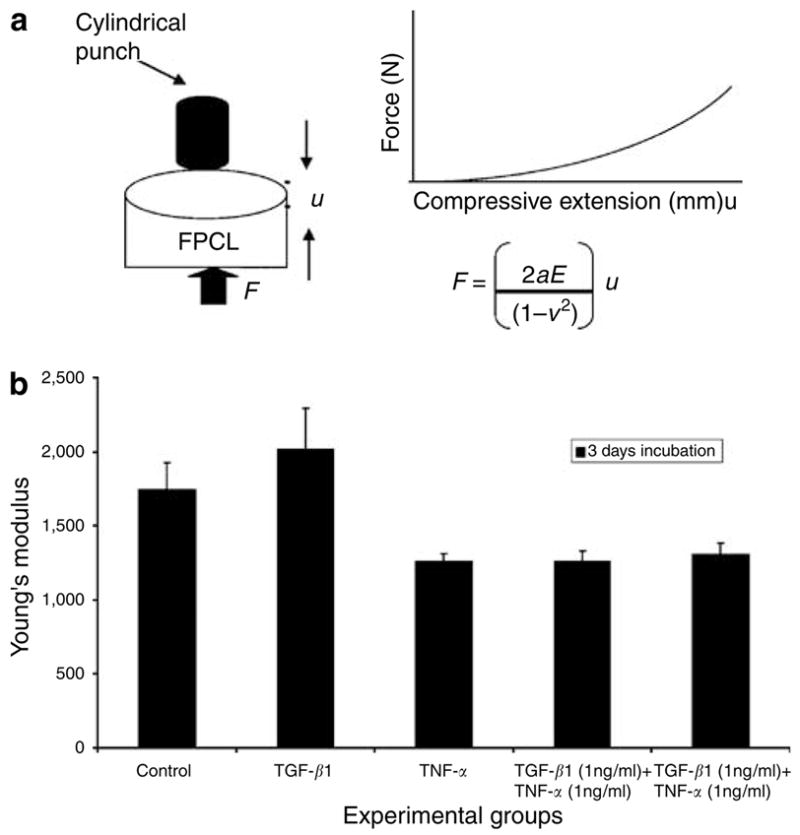
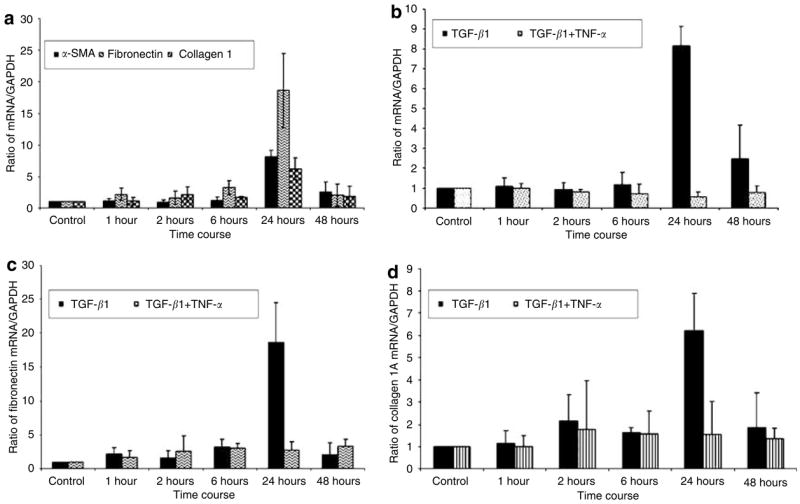
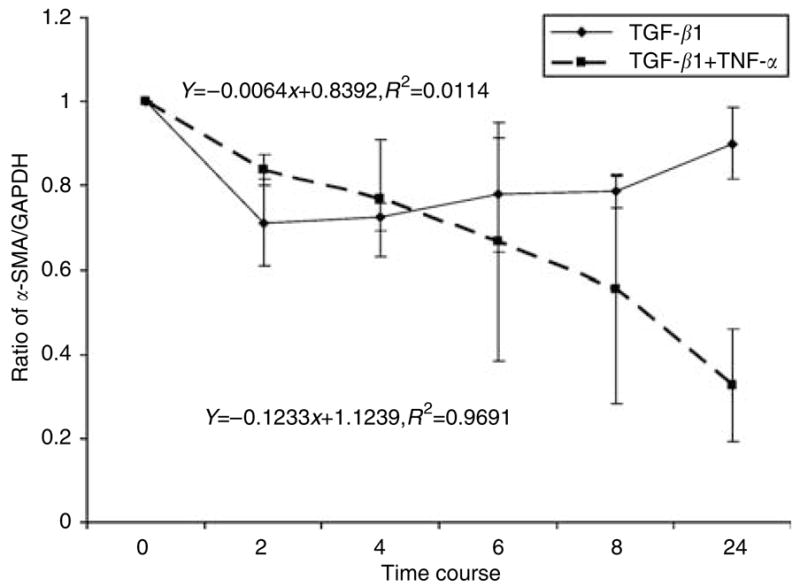
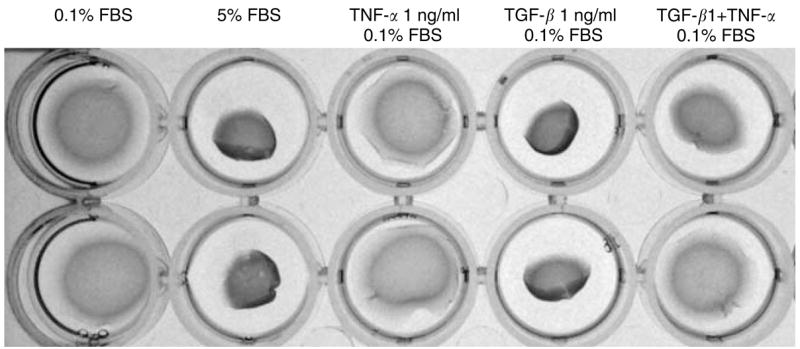
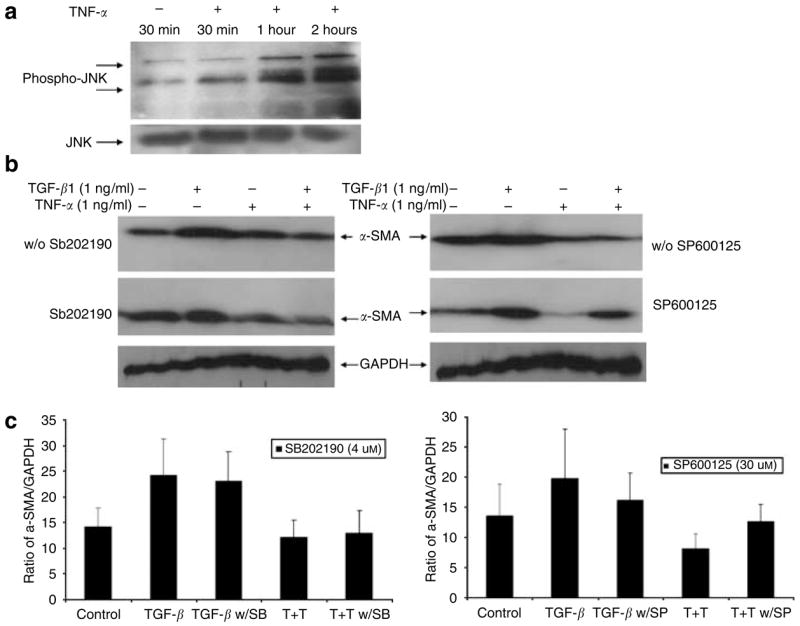
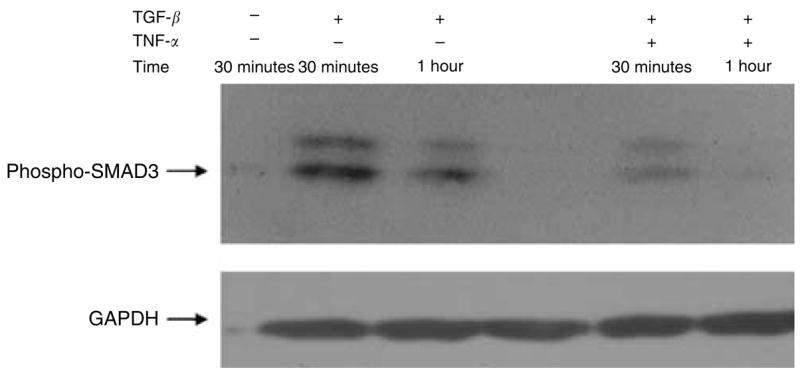
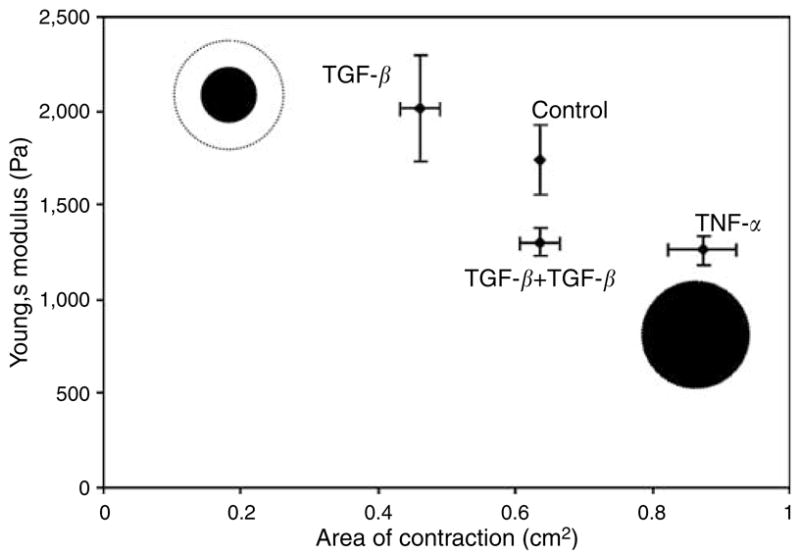
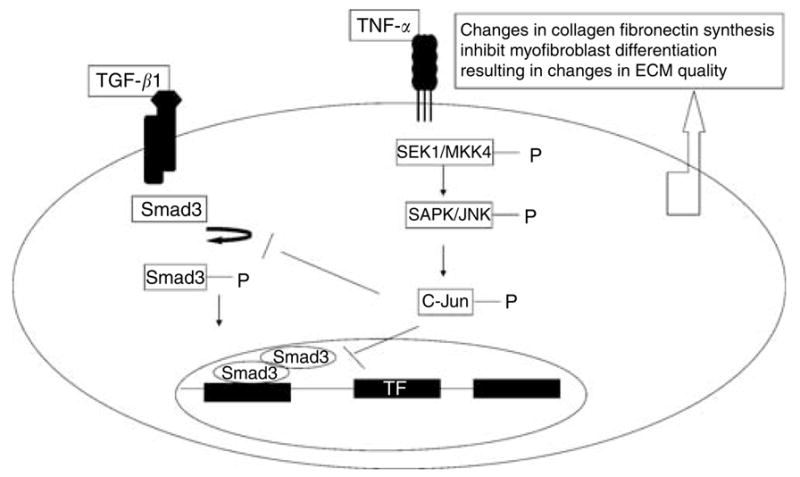
Abnormal wound healing encompasses a wide spectrum, from chronic wounds to hypertrophic scars. Both conditions are associated with an abnormal cytokine profile in the wound bed. In this study, we sought to understand the dynamic relationships between myofibroblast differentiation and mechanical performance of the collagen matrix under tissue growth factor-beta (TGF-beta) and tumor necrosis factor-alpha (TNF-alpha) stimulation. We found TGF-beta increased alpha-smooth muscle actin (alpha-SMA) and TNF-alpha alone decreased the basal alpha-SMA expression. When TGF-beta1 and TNF-alpha were both added, the alpha-SMA expression was suppressed below the baseline. Real-time PCR showed that TNF-alpha suppresses TGF-beta1-induced myofibroblast (fibroproliferative) phenotypic genes, for example, alpha-SMA, collagen type 1A, and fibronectin at the mRNA level. TNF-alpha suppresses TGF-beta1-induced gene expression by affecting its mRNA stability. Our results further showed that TNF-alpha inhibits TGF-beta1-induced Smad-3 phosphorylation via Jun N-terminal kinase signaling. Mechanical testing showed that TNF-alpha decreases the stiffness and contraction of the lattices after 5 days in culture. We proposed that changes in alpha-SMA, collagen, and fibronectin expression result in decreased contraction and stiffness of collagen matrices. Therefore, the balance of cytokines in a wound defines the mechanical properties of the extracellular matrix and optimal wound healing.
Conflict of interest statement
CONFLICT OF INTEREST
The authors state no conflict of interest.
Figures
References
-
- Abraham DJ, Shiwen X, Black CM, Sa S, Xu Y, Leask A. Tumor necrosis factor alpha suppresses the induction of connective tissue growth factor by transforming growth factor-beta in normal and scleroderma fibro-blasts. J Biol Chem. 2000;275:15220–5. - PubMed
-
- Ashcroft GS, Yang X, Glick AB, Weinstein M, Letterio JL, Mizel DE, et al. Mice lacking Smad3 show accelerated wound healing and an impaired local inflammatory response. Nat Cell Biol. 1999;1:260–6. - PubMed
-
- Bao G, Suresh S. Cell and molecular mechanics of biological materials. Nat Mater. 2003;2:715–25. - PubMed
-
- Connors D, Gies D, Lin H, Gruskin E, Mustoe TA, Tawil NJ. Increase in wound breaking strength in rats in the presence of positively charged dextran beads correlates with an increase in endogenous transforming growth factor-beta1 and its receptor TGF-betaRI in close proximity to the wound. Wound Repair Regen. 2000;8:292–303. - PubMed
-
- Darby I, Skalli O, Gabbiani G. Alpha-smooth muscle actin is transiently expressed by myofibroblasts during experimental wound healing. Lab Invest. 1990;63:21–9. - PubMed
MeSH terms
Substances
Grants and funding
LinkOut - more resources
Full Text Sources
Other Literature Sources
Research Materials
Miscellaneous
