


Acquisition of a natural resistance gene renders a clinical strain of methicillin-resistant Staphylococcus aureus resistant to the synthetic antibiotic linezolid
- PMID: 17555436
- PMCID: PMC2711439
- DOI: 10.1111/j.1365-2958.2007.05744.x
Acquisition of a natural resistance gene renders a clinical strain of methicillin-resistant Staphylococcus aureus resistant to the synthetic antibiotic linezolid
Abstract
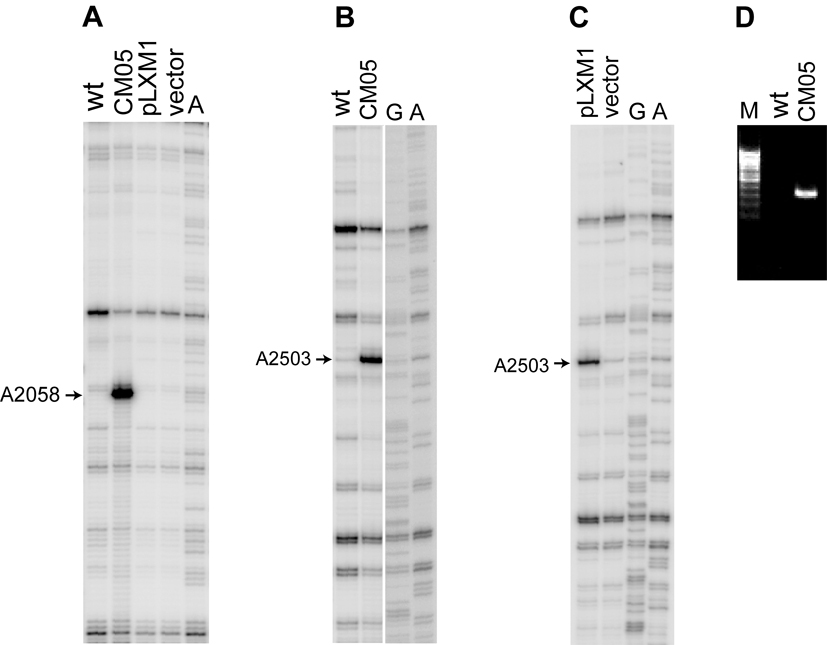
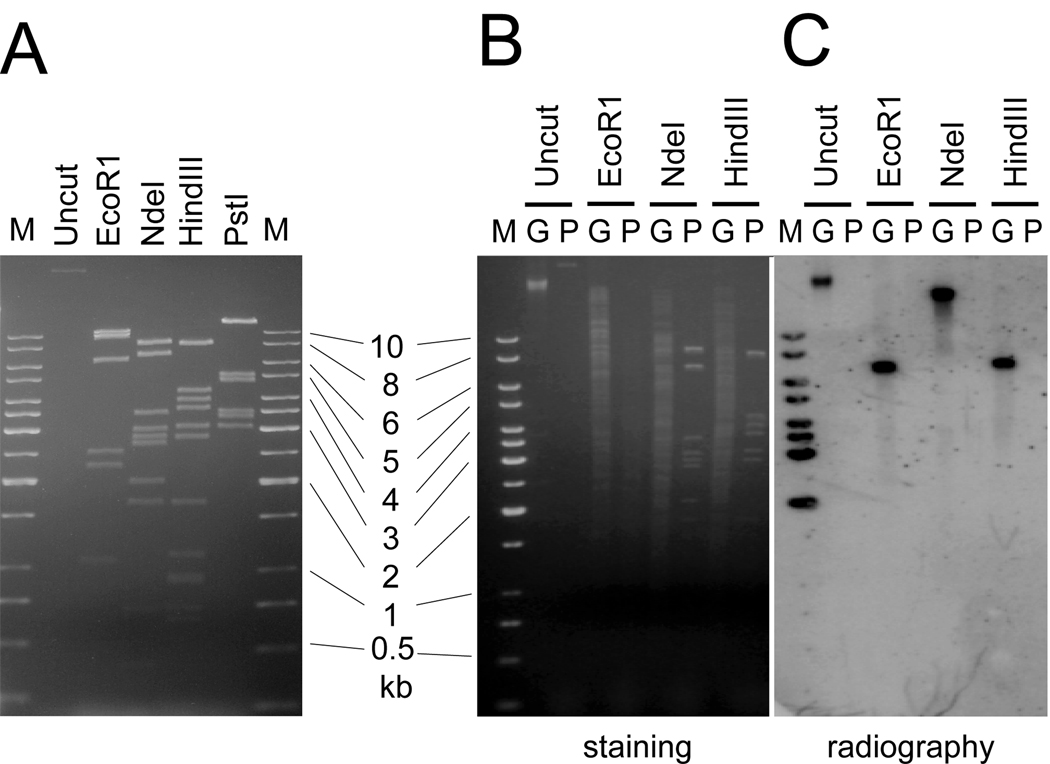
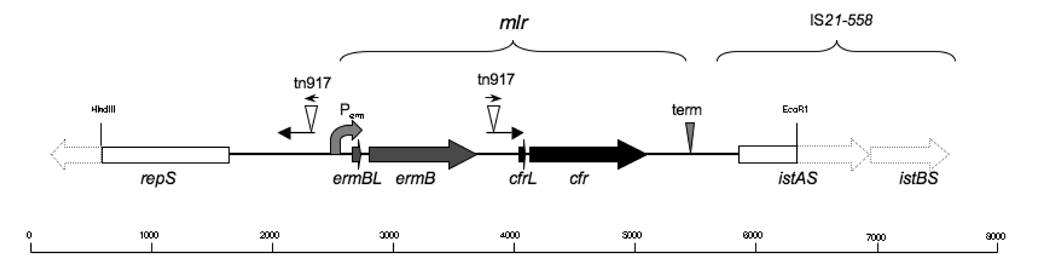
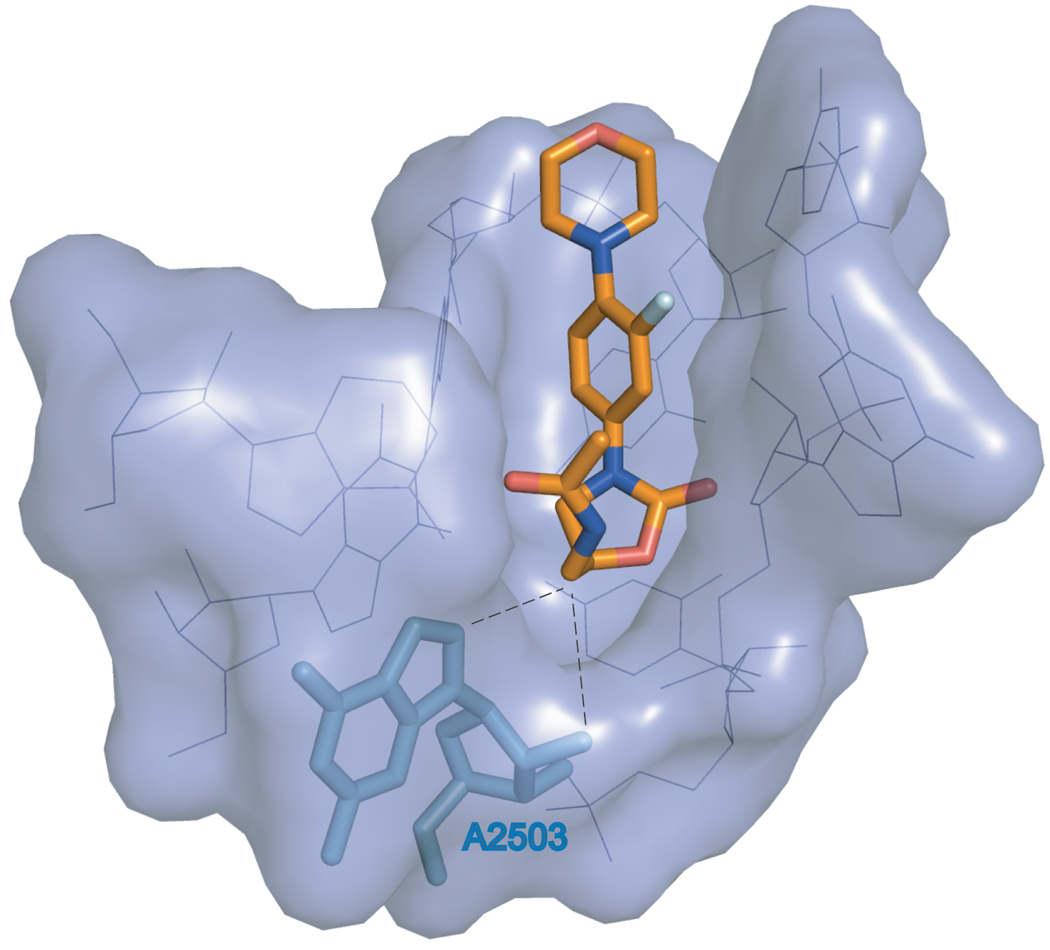
Linezolid, which targets the ribosome, is a new synthetic antibiotic that is used for treatment of infections caused by Gram-positive pathogens. Clinical resistance to linezolid, so far, has been developing only slowly and has involved exclusively target site mutations. We have discovered that linezolid resistance in a methicillin-resistant Staphylococcus aureus hospital strain from Colombia is determined by the presence of the cfr gene whose product, Cfr methyltransferase, modifies adenosine at position 2503 in 23S rRNA in the large ribosomal subunit. The molecular model of the linezolid-ribosome complex reveals localization of A2503 within the drug binding site. The natural function of cfr likely involves protection against natural antibiotics whose site of action overlaps that of linezolid. In the chromosome of the clinical strain, cfr is linked to ermB, a gene responsible for dimethylation of A2058 in 23S rRNA. Coexpression of these two genes confers resistance to all the clinically relevant antibiotics that target the large ribosomal subunit. The association of the ermB/cfr operon with transposon and plasmid genetic elements indicates its possible mobile nature. This is the first example of clinical resistance to the synthetic drug linezolid which involves a natural resistance gene with the capability of disseminating among Gram-positive pathogenic strains.
Figures
References
-
- Aarestrup FM, Kruse H, Tast E, Hammerum AM, Jensen LB. Associations between the use of antimicrobial agents for growth promotion and the occurrence of resistance among Enterococcus faecium from broilers and pigs in Denmark, Finland, and Norway. Microb Drug Resist. 2000;6:63–70. - PubMed
-
- Arias CA, Villegas MV, Reyes J, Moreno J, Xiong L, Vallejo M, Lolans K, Mankin AS, Castañeda E, Quinn JP. Linezolid resistance in the absence of 23S rRNA mutations in methicillin-resistant Staphylococcus aureus. Washington, D.C. Abstracts of the 46th Interscience Conference on Antimicrobial Agents and Chemotherapy; 2006. American Society for Microbiology, Abstract C2–1147.
-
- Ausebel FM, Brent R, Kingston RE, Moore DD, Smith JA, Seidman JG, Struhl K. Current Protocols in Molecular Biology. New York: Wiley/Greene Publishing; 1987.
-
- Bozdogan B, Appelbaum PC. Oxazolidinones: activity, mode of action, and mechanism of resistance. Int J Antimicrob Agents. 2004;23:113–119. - PubMed
Publication types
MeSH terms
Substances
Associated data
- Actions
Grants and funding
LinkOut - more resources
Full Text Sources
Other Literature Sources
Medical
Molecular Biology Databases
