


Nox regulation of smooth muscle contraction
- PMID: 17561091
- PMCID: PMC1989158
- DOI: 10.1016/j.freeradbiomed.2007.03.006
Nox regulation of smooth muscle contraction
Abstract
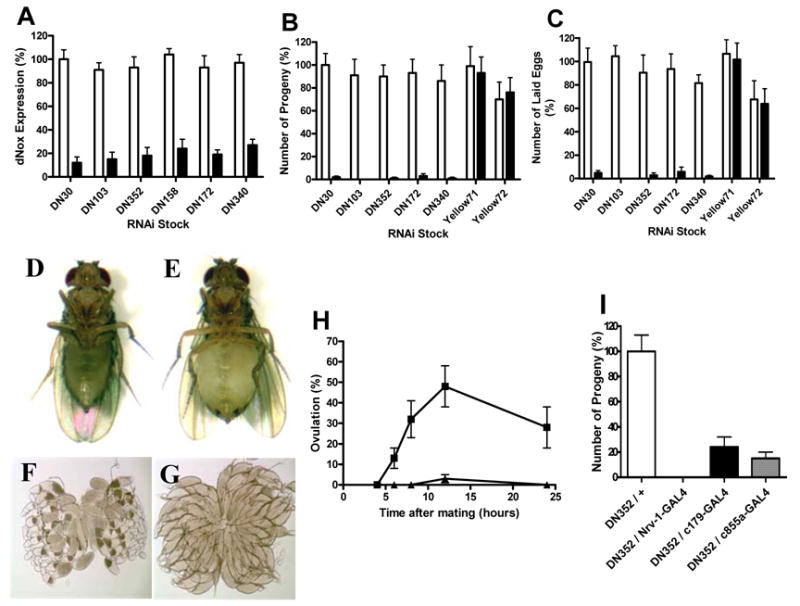
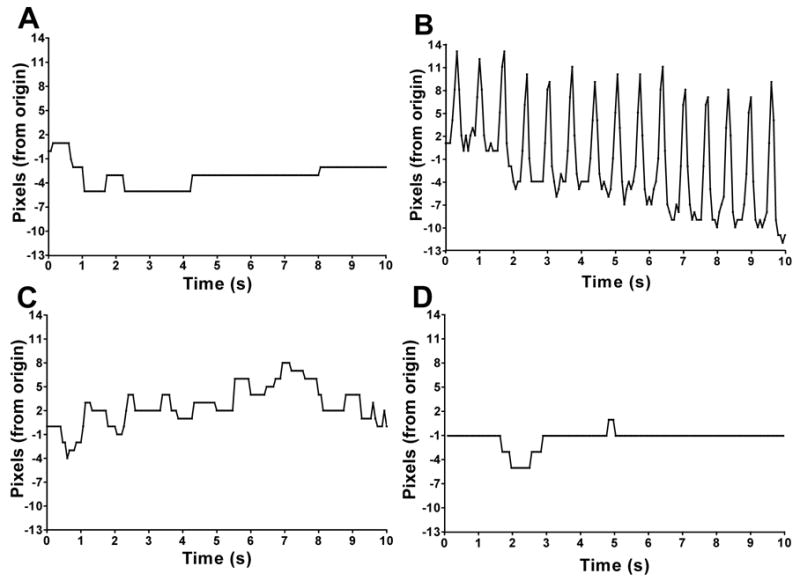
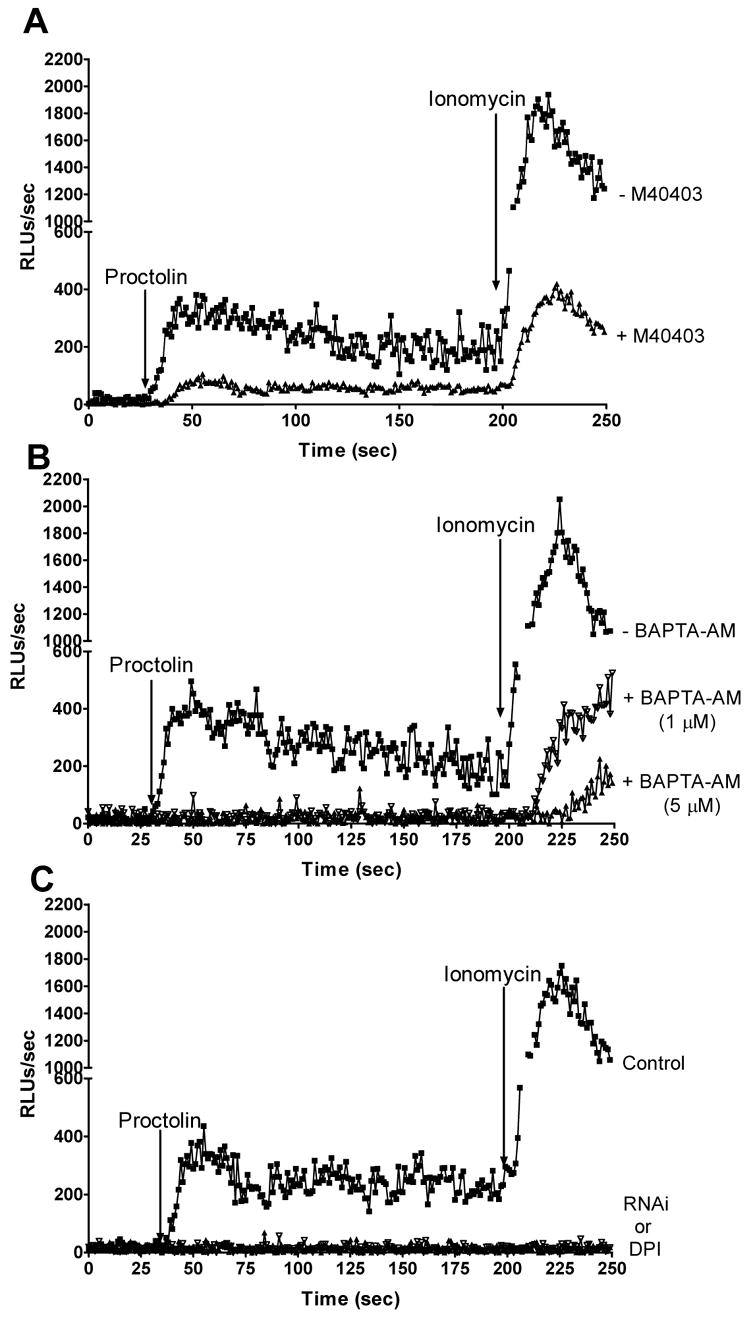
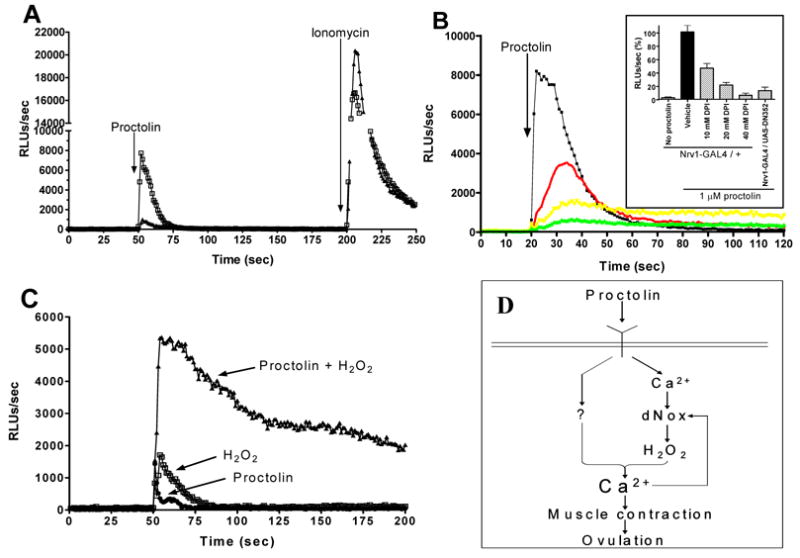
The catalytic subunit gp91phox (Nox2) of the NADPH oxidase of mammalian phagocytes is activated by microbes and immune mediators to produce large amounts of reactive oxygen species (ROS) which participate in microbial killing. Homologs of gp91phox, the Nox and Duox enzymes, were recently described in a range of organisms, including plants, vertebrates, and invertebrates such as Drosophila melanogaster. While their enzymology and cell biology are being extensively studied in many laboratories, little is known about in vivo functions of Noxes. Here, we establish and use an inducible system for RNAi to discover functions of dNox, an ortholog of human Nox5 in Drosophila. We report here that depletion of dNox in musculature causes retention of mature eggs within ovaries, leading to female sterility. In dNox-depleted ovaries and ovaries treated with a Nox inhibitor, muscular contractions induced by the neuropeptide proctolin are markedly inhibited. This functional defect results from a requirement for dNox-for the proctolin-induced calcium flux in Drosophila ovaries. Thus, these studies demonstrate a novel biological role for Nox-generated ROS in mediating agonist-induced calcium flux and smooth muscle contraction.
Figures
References
-
- Aslan M, Ozben T. Oxidants in receptor tyrosine kinase signal transduction pathways. Antioxid Redox Signal. 2003;5:781–8. - PubMed
-
- Babior BM, Lambeth JD, Nauseef W. The neutrophil NADPH oxidase. Arch Biochem Biophys. 2002;397:342–4. - PubMed
-
- Banfi B, Molnar G, Maturana A, Steger K, Hegedus B, Demaurex N, Krause KH. A Ca(2+)-activated NADPH oxidase in testis, spleen, and lymph nodes. J Biol Chem. 2001;276:37594–601. - PubMed
-
- Banfi B, Tirone F, Durussel I, Knisz J, Moskwa P, Molnar GZ, Krause KH, Cox JA. Mechanism of Ca2+ activation of the NADPH oxidase 5 (NOX5) J Biol Chem. 2004;279:18583–91. - PubMed
-
- Bielefeldt K, Whiteis CA, Sharma RV, Abboud FM, Conklin JL. Reactive oxygen species and calcium homeostasis in cultured human intestinal smooth muscle cells. Am J Physiol. 1997;272:G1439–50. - PubMed
MeSH terms
Substances
Grants and funding
LinkOut - more resources
Full Text Sources
Other Literature Sources
Medical
Molecular Biology Databases
Miscellaneous
