


Evolution of the restorative proctocolectomy and its effects on gastrointestinal hormones
- PMID: 17576578
- PMCID: PMC10497984
- DOI: 10.1007/s00384-007-0331-x
Evolution of the restorative proctocolectomy and its effects on gastrointestinal hormones
Abstract
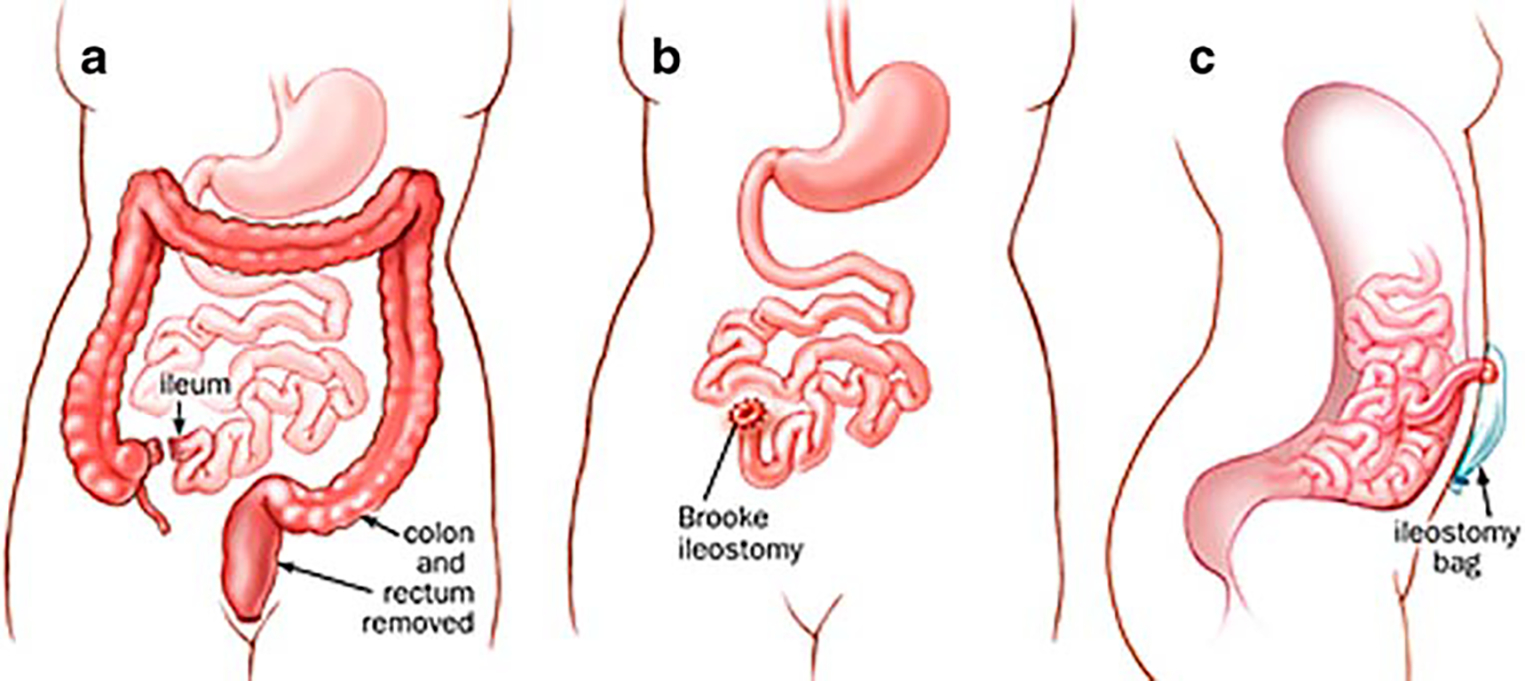
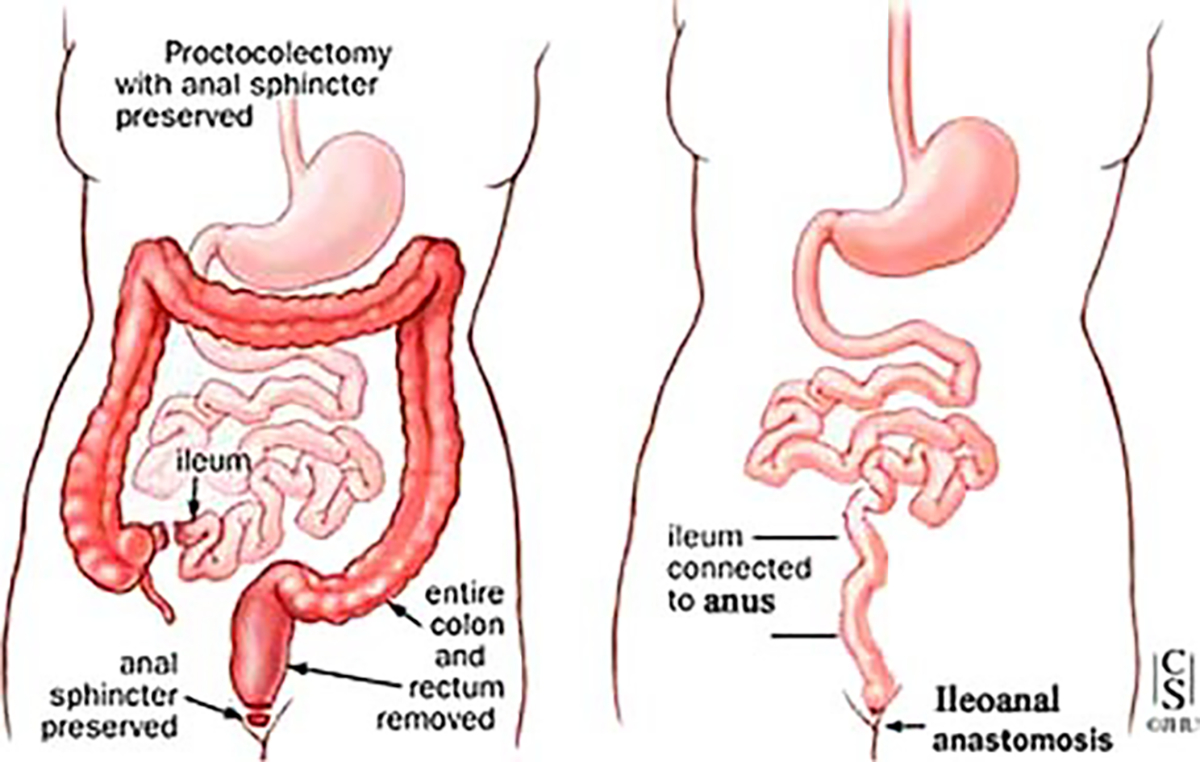
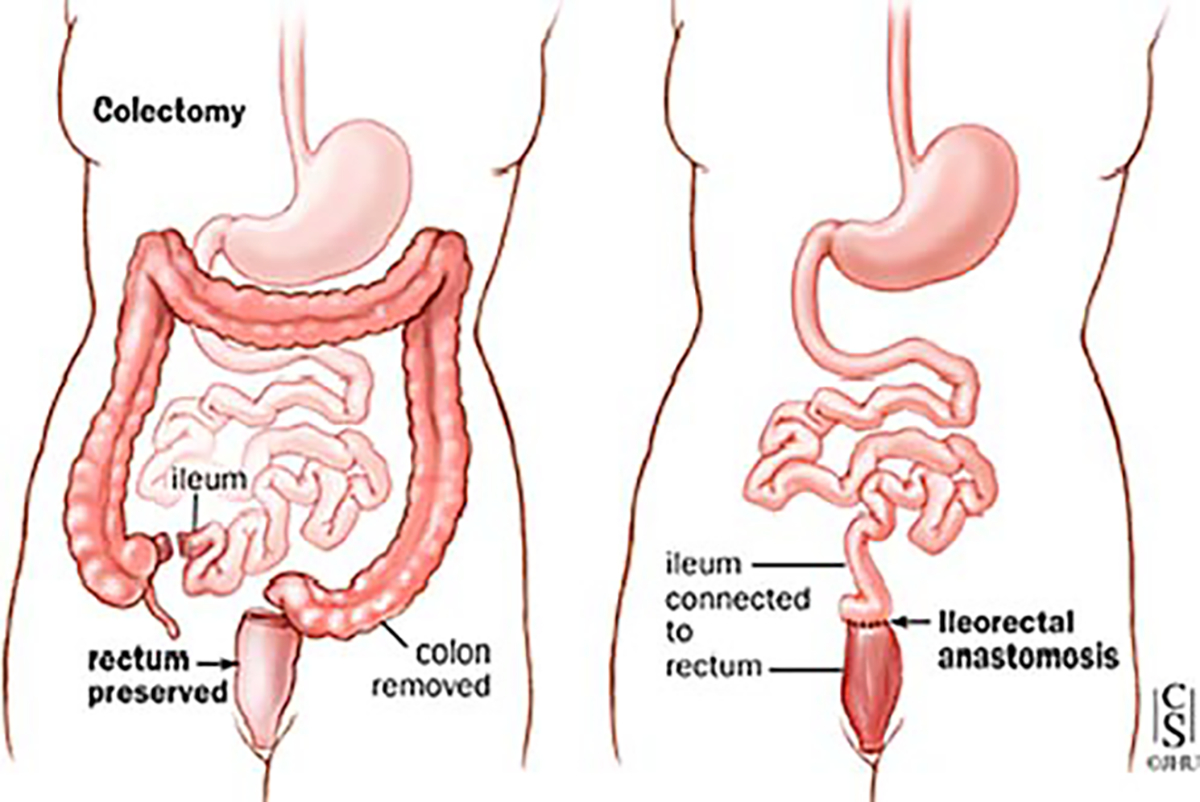
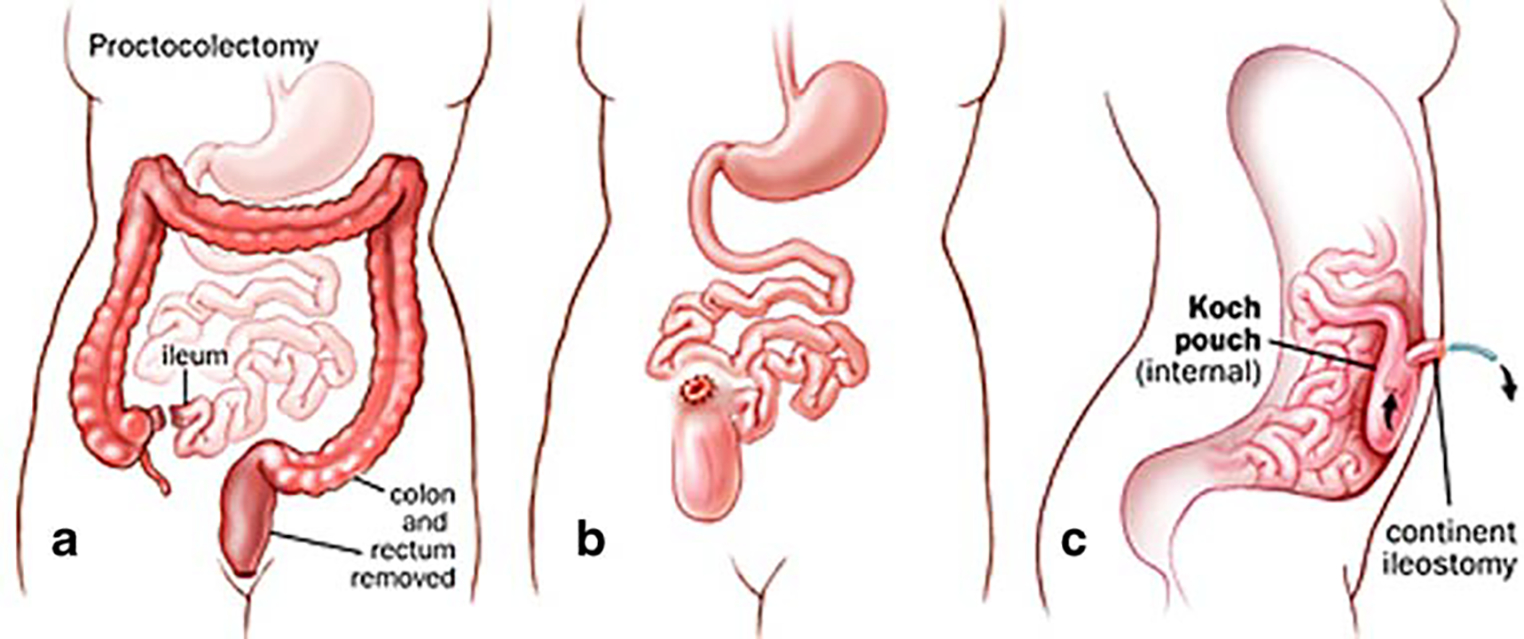
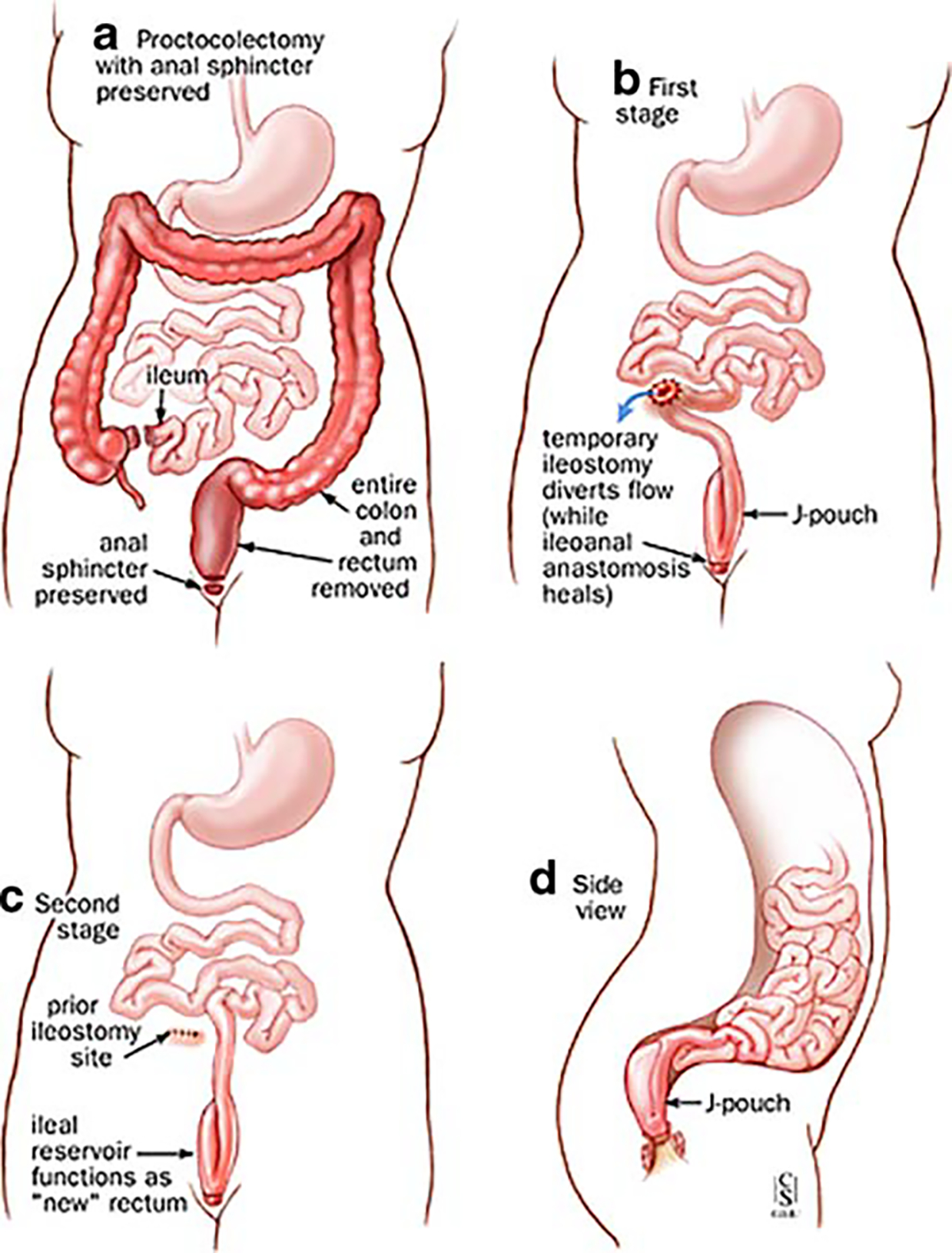
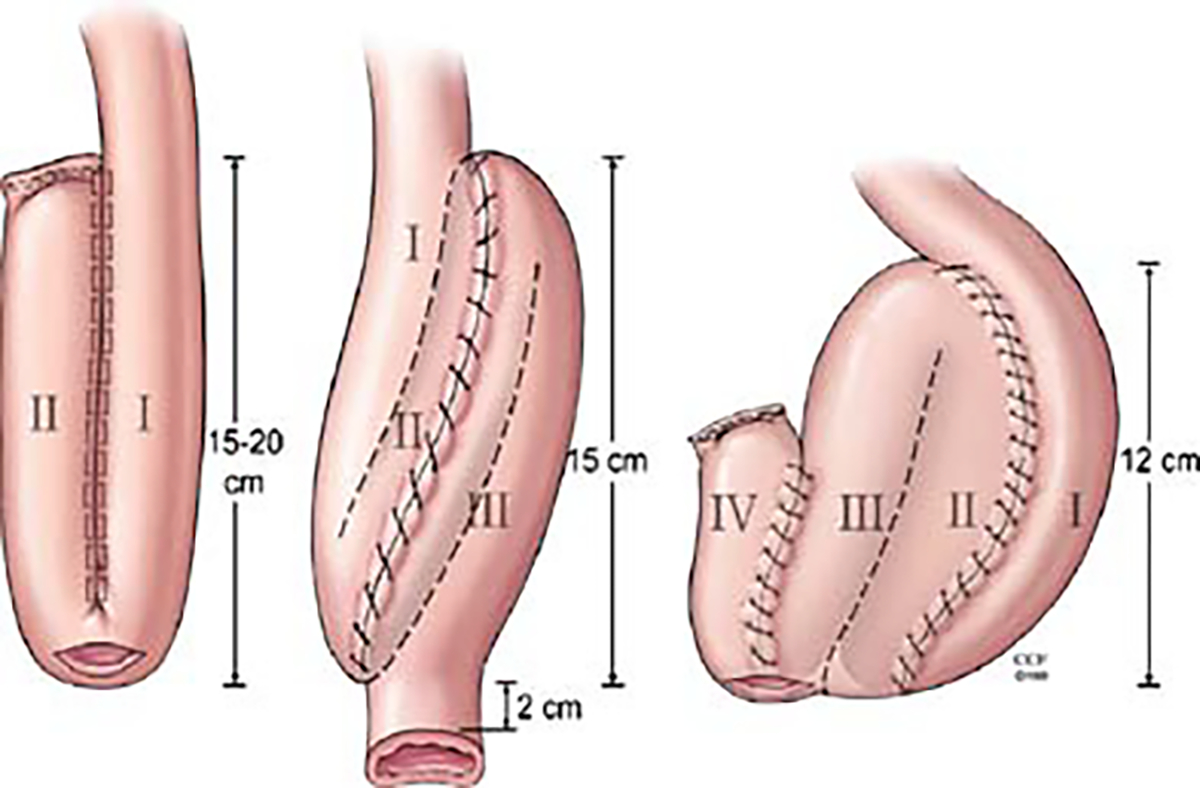
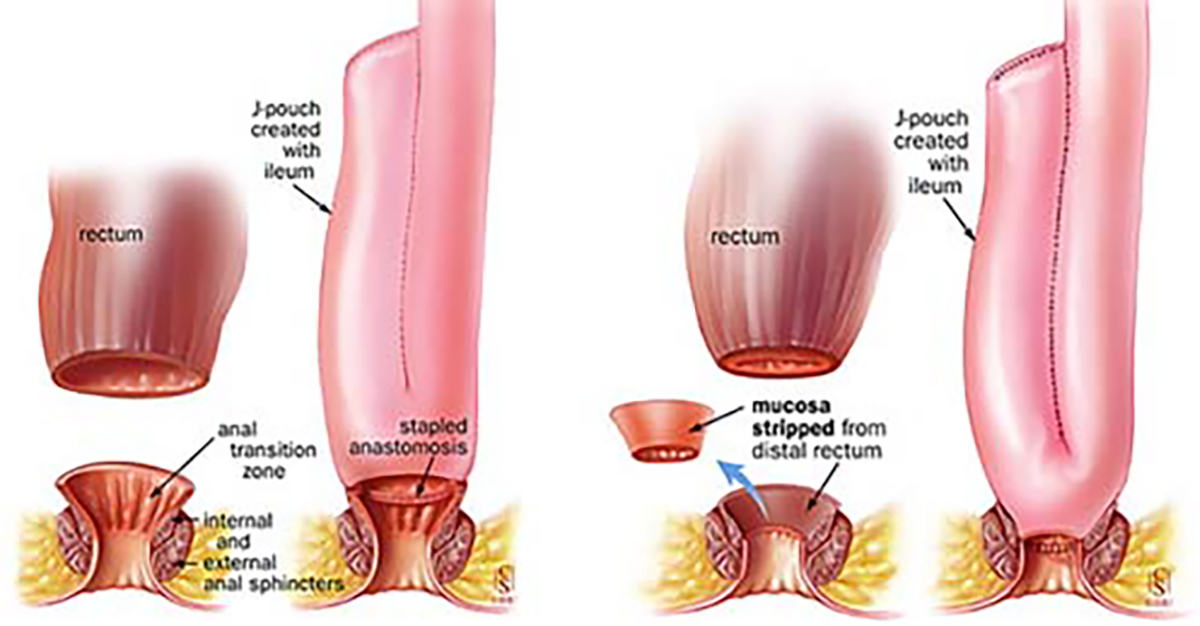
Gastrointestinal (GI) peptide hormones are chemical messengers that regulate secretory, mechanical, metabolic, and trophic functions of the gut. Restorative proctocolectomy (RPC) or resection of the colon and rectum with maintenance of intestinal continuity through the construction of an ileal pouch reservoir and preservation of the anal sphincters has become the standard of care for the surgical treatment of ulcerative colitis and familial adenomatous polyposis. The manipulation of the digestive system to create the ileal pouch involves altering gut-associated lymphoid tissue among other anatomic changes that lead to changes in GI peptides. In addition, the ileal pouch epithelium responds to a wide variety of stimuli by adjusting its cellularity and function. These adaptive mechanisms involve systemic factors, such as humoral and neural stimuli, as well as local factors, such as changes in intestinal peristalsis and intraluminal nutrients. There have been conflicting reports as to whether the alterations in GI hormones after RPC have actual clinical implications. What the studies on alterations of GI peptides' response and behavior after RPC have contributed, however, is a window into the possible etiology of complications after pouch surgery, such as pouchitis and malabsorption. Given the possibility of pharmacologically modifying GI peptides or select components of adaptation as a therapeutic strategy for patients with ileal pouch dysfunction or pouchitis, a clear understanding of human pouch mucosal adaptation is of paramount importance. In this review, we summarize the evolution of the RPC and its effects on the GI hormones as well as their possible clinical implications.
Figures
References
-
- Falk PM, Sentovich SM, Adrian TE (1998) Ileoanal pouch function and release of peptide YY. Dis Colon Rectum 41:868–874 - PubMed
-
- Dubé S, Heyen F (1990) Pouchitis and gastric hyposecretion: cause or effect? Int J Colorectal Dis 4:142–143 - PubMed
-
- M’Koma AE, Lindquist K, Liljeqvist L (1999) Effect of restorative proctocolectomy on gastric acid secretion and serum gastrin levels: a prospective study. Dis Colon Rectum 42:398–402 - PubMed
-
- Armstrong DN, Ballantyne GH, Andrian TE, Bilchik AJ, MacMillen MA, Modlin IM (1991) Adaptive increase in peptide YY and enteroglucagon after proctocolectomy and pelvic ileal reservoir construction. Dis Colon Rectum 34:119–125 - PubMed
-
- Pietroletti R, Slors FJM, Mariani P et al. (1990) Enteroglucagon and peptide YY response after construction of a pelvic reservoir in humans. Dis Colon Rectum 33:966–970 - PubMed
Publication types
MeSH terms
Substances
Grants and funding
LinkOut - more resources
Full Text Sources
