


Base-excision repair of oxidative DNA damage
- PMID: 17581577
- PMCID: PMC2896554
- DOI: 10.1038/nature05978
Base-excision repair of oxidative DNA damage
Abstract
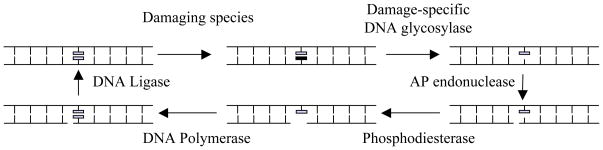
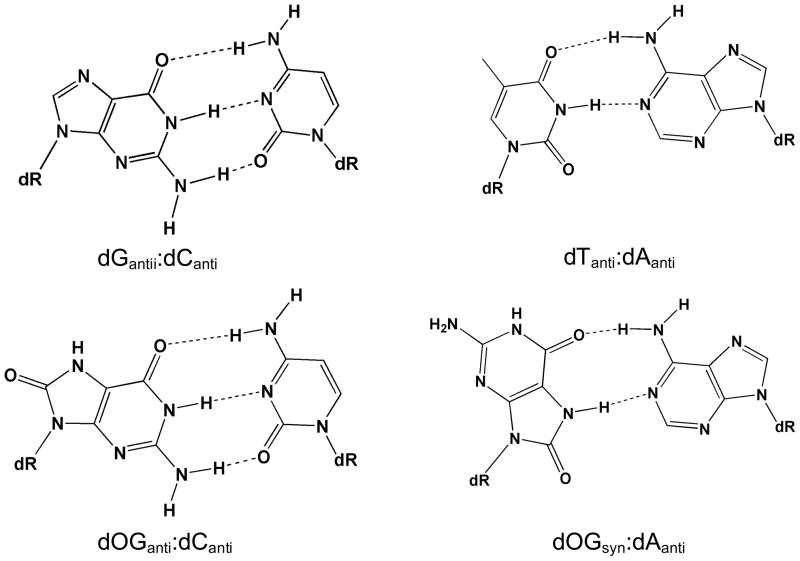
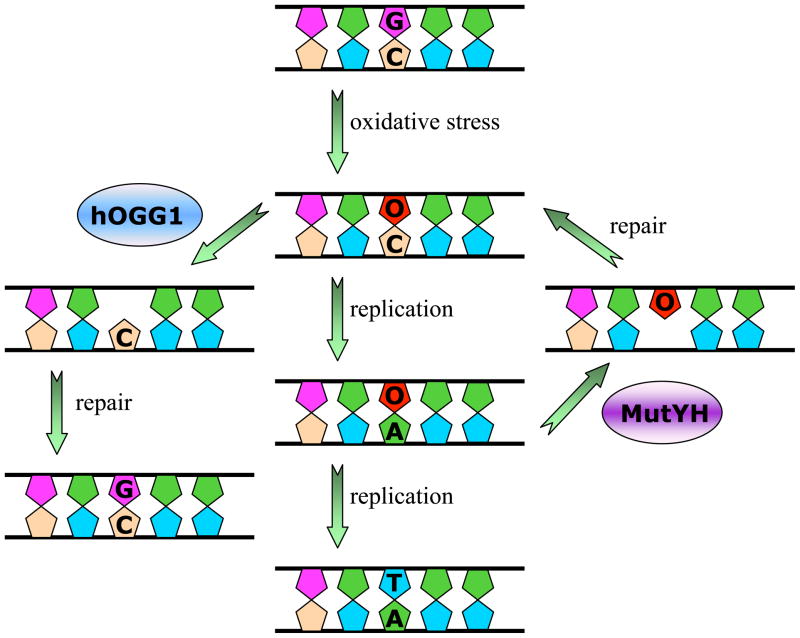
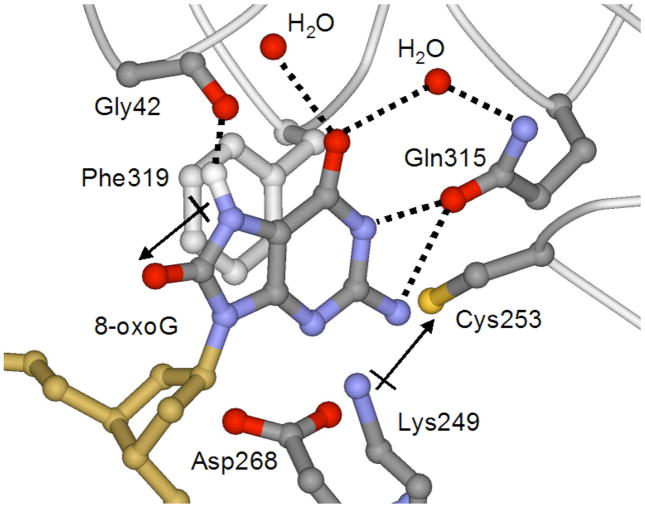
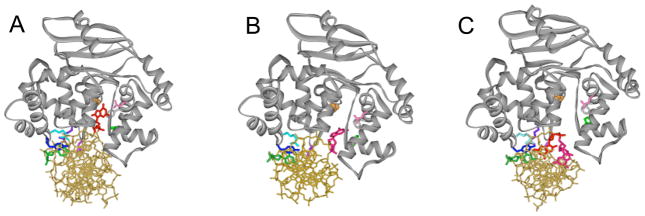
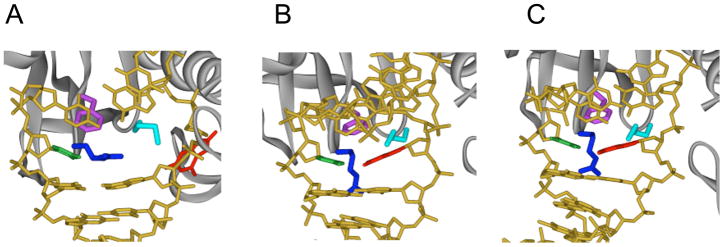
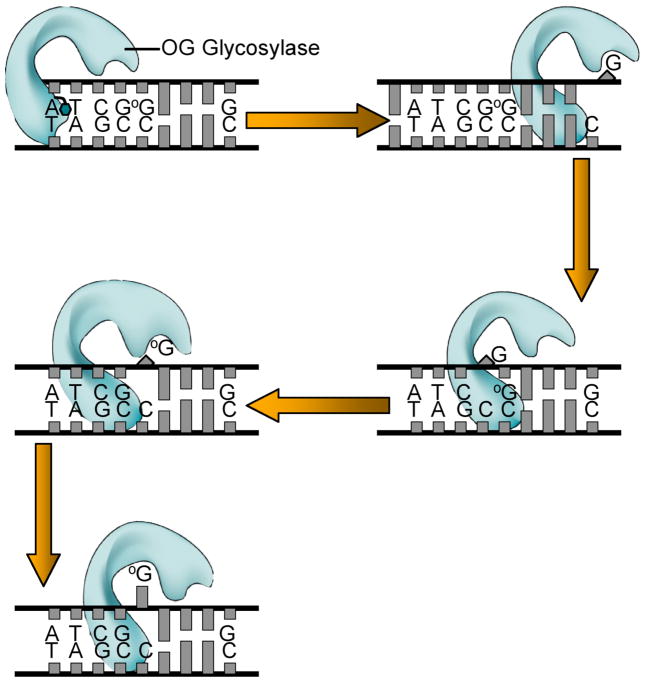
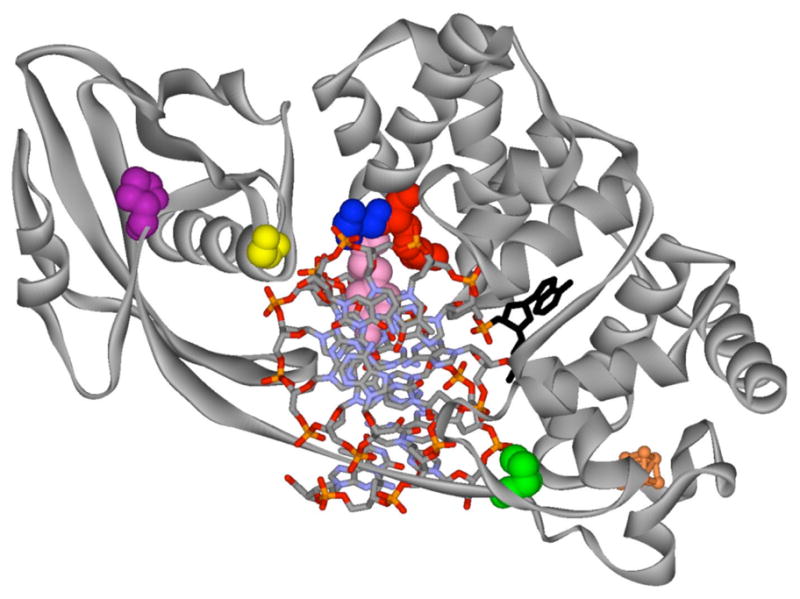
Maintaining the chemical integrity of DNA in the face of assault by oxidizing agents is a constant challenge for living organisms. Base-excision repair has an important role in preventing mutations associated with a common product of oxidative damage to DNA, 8-oxoguanine. Recent structural studies have shown that 8-oxoguanine DNA glycosylases use an intricate series of steps to locate and excise 8-oxoguanine lesions efficiently against a high background of undamaged bases. The importance of preventing mutations associated with 8-oxoguanine is shown by a direct association between defects in the DNA glycosylase MUTYH and colorectal cancer. The properties of other guanine oxidation products and the associated DNA glycosylases that remove them are now also being revealed.
Conflict of interest statement
The authors declare no competing financial interest.
Figures
References
-
- Lindahl T. Instability and decay of the primary structure of DNA. Nature. 1993;362:709–715. - PubMed
-
- Friedberg EC. DNA Damage and Repair. Nature. 2003;421:436–440. - PubMed
-
- Pfeifer GP, et al. Tobacoo smoke carcinogens, DNA Damage and p53 mutations in smoking-associated cancers. Oncogene. 2002;21:7435–51. - PubMed
-
- Friedberg EC. Inroads into base excision repair II. The discovery of the DNA glycosylases. DNA Repair. 2004;3:1531–1536. - PubMed
Publication types
MeSH terms
Substances
Grants and funding
LinkOut - more resources
Full Text Sources
Other Literature Sources
Research Materials
