Review
. 2007;30(2):85-100.
doi: 10.1080/10790268.2007.11753918.

Donald Munro Lecture. Spinal cord injury--past, present, and future

Affiliations
Review

Donald Munro Lecture. Spinal cord injury--past, present, and future

William H Donovan. J Spinal Cord Med. 2007.

Abstract

This special report traces the path of spinal cord injury (SCI) from ancient times through the present and provides an optimistic overview of promising clinical trials and avenues of basic research. The spinal cord injuries of Lord Admiral Sir Horatio Nelson, President James A. Garfield, and General George Patton provide an interesting perspective on the evolution of the standard of care for SCI. The author details the contributions of a wide spectrum of professionals in the United States, Europe, and Australia, as well as the roles of various government and professional organizations, legislation, and overall advances in surgery, anesthesia, trauma care, imaging, pharmacology, and infection control, in the advancement of care for the individual with SCI.


Figures
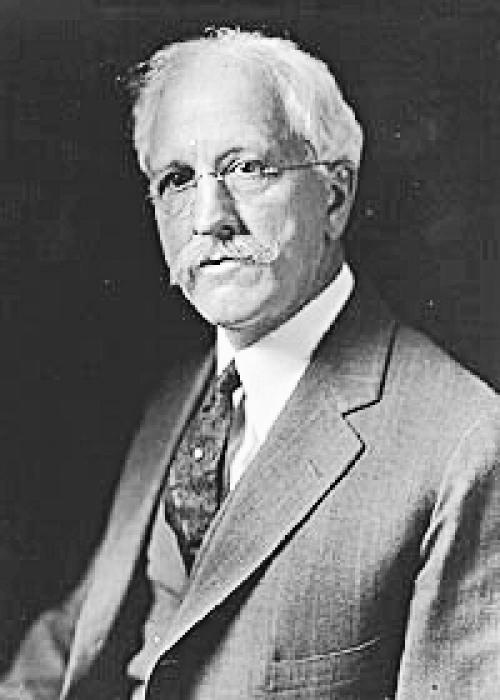
Figure 1
Figure 1. Under the sponsorship of the New York Historical Society, James Henry Breasted translated the Edwin Smith surgical papyrus from the hieratic. The translation was published in 1930. Photo is from the Encyclopedia Britannica online at http://www.britannica.com.
Figure 2
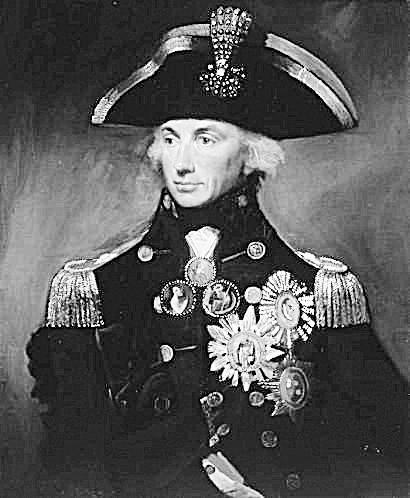
Figure 2. One example of the therapeutic nihilism toward spinal cord injury care before 1950 is the case of Lord Nelson. At the battle of Trafalgar, October 20, 1805, Lord Nelson was felled by a sniper's bullet that entered his chest and spinal cord. Nothing could be done for him.
Figure 3
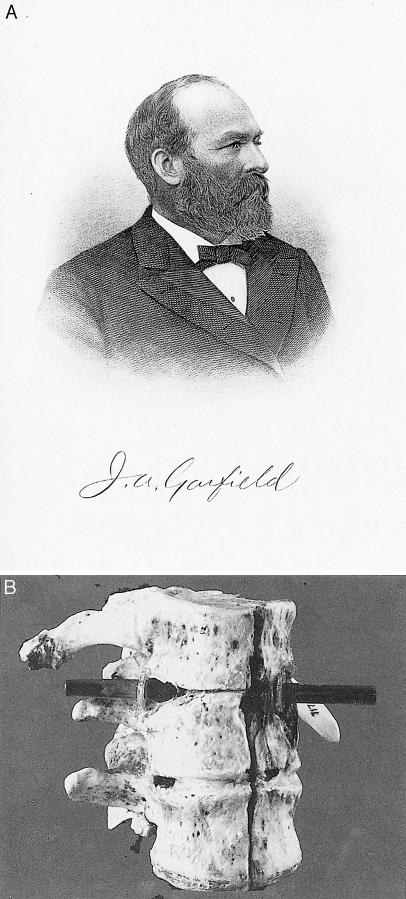
Figure 3. (A) Illustration of James A. Garfield, 20th President of the United States, who was shot in the conus medullaris and survived 80 days (6). (B) The museum of the Armed Forces Institute of Pathology has on display a specimen of the former president's shattered vertebra. Reproduced with permission from the National Museum of Health and Medicine.
Figure 4
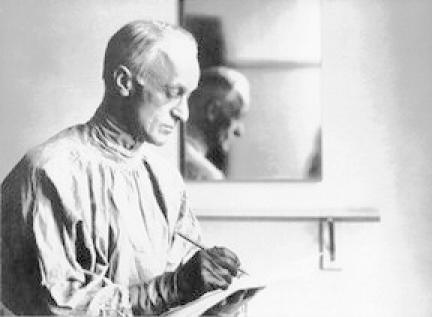
Figure 4. Harvey Cushing, famous American neurosurgeon, wrote, “The conditions were such that 80% died in the first weeks [and]… only those cases survived in which the spinal lesion was a partial one.” Photo courtesy of the Cushing Whitney Medical Historical Library, Yale University, New Haven, CT.
Figure 5
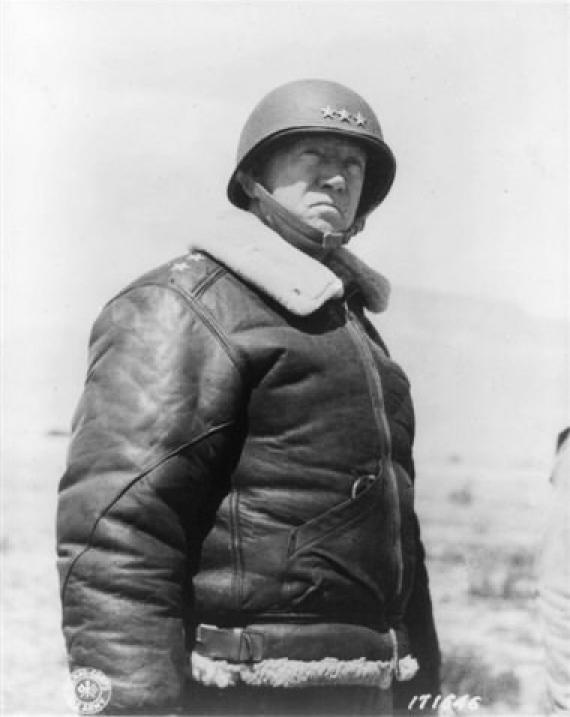
Figure 5. General George Patton (1885–1945), Commander of the US Seventh and then the Third Army during World War II. He sustained a cervical spinal cord injury in a motor vehicle crash.
Figure 6
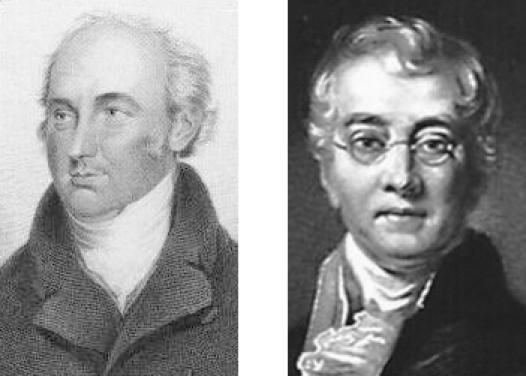
Figure 6. Left: Sir Astley Cooper favored operating on the injured spinal cord, arguing that since death was inevitable anyway without surgery, nothing was to be lost. Right: Sir Charles Bell posited that surgery only increased the risk of death and could further damage nerve fibers with any potential to improve.
Figure 7a
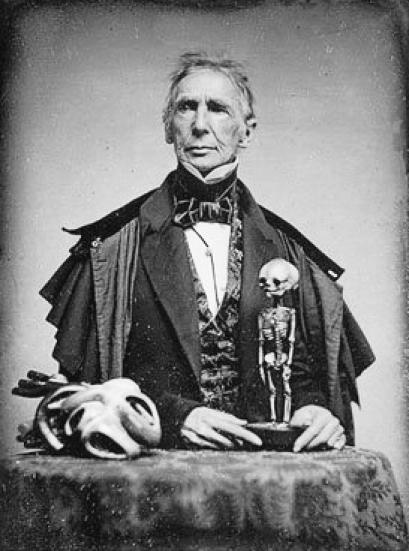
Figure 7a. Senior Surgeon at Massachusetts General Hospital John Collins Warren (1778–1856) allowed William T. G. Morton to demonstrate “etherization” on his patient.
Figure 7b
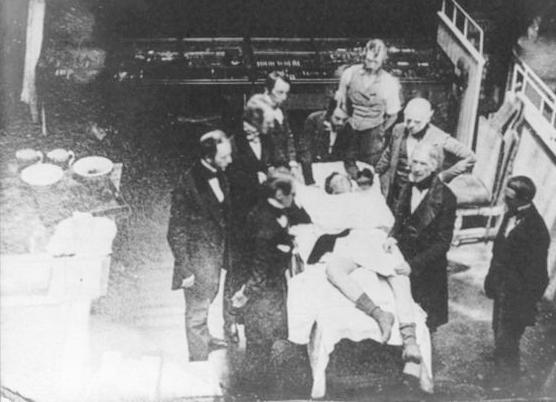
Figure 7b. Scene believed to be a re-enactment of the demonstration of ether anesthesia by W. T. G. Morton on October 16, 1846. Mr. Holman with surgeons: John Mason Warren, George Hayward, Solomon D. Town-send, John Collins Warren and James Johnson around man on operating table.
Figure 8
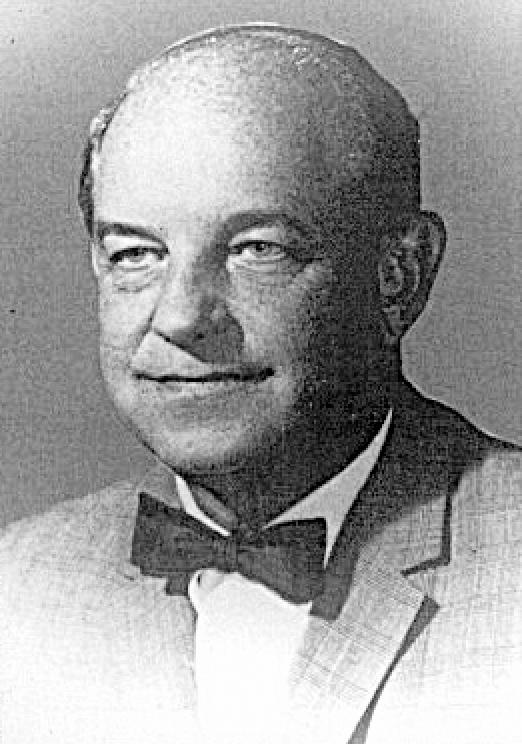
Figure 8. Paul Harrington (1911–1980) introduced a system of distraction and compression rods and hooks.
Figure 9
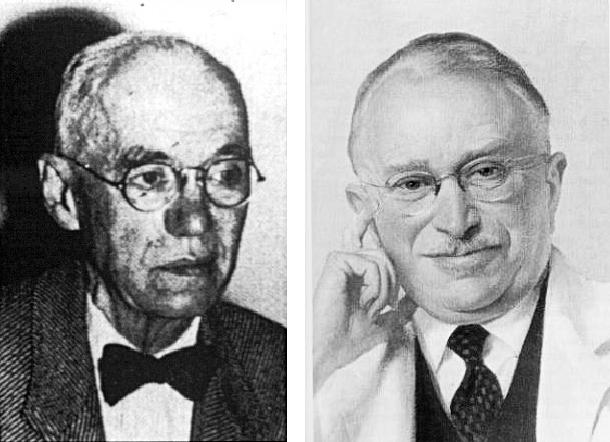
Figure 9. Left. Donald Munro (1898–1978) has been called the “father of paraplegia.” Photo courtesy of the Society of Neurological Surgeons. Right. Sir Ludwig Guttmann (1899–1980) was put in charge of an SCI unit at Stoke-Mandeville Hospital in 1946. Like Munro, he realized that doctors had to be interested in all the needs of the patient, not only those within one's specialty. Photo courtesy of International Spinal Cord Society, Aylesburg, Bucks, UK.
Figure 10
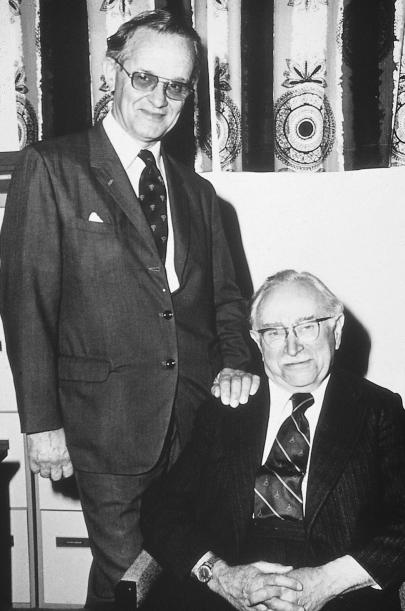
Figure 10. Sir George Bedbrook (1921–1991) (standing) was an orthopedic surgeon who formed a spinal unit in Perth, Western Australia. He is pictured here with Sir Ludwig Guttmann (seated). Bedbrook was a dynamic visionary who traveled widely and influenced physicians, nurses, and therapists who worked with SCI patients. This photo was a gift to the author from Byron Kakulas from the Royal Perth Hospital in Perth, Western Australia.
Figure 11
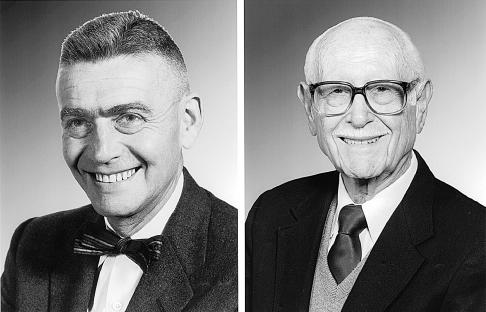
Figure 11. Ernest H. J. Bors (1900–1990) (left) and A. Estin Comarr (1915–1996) (right) both established comprehensive care for a large number of patients with SCI. Courtesy of the American Paraplegia Society.
Figure 12
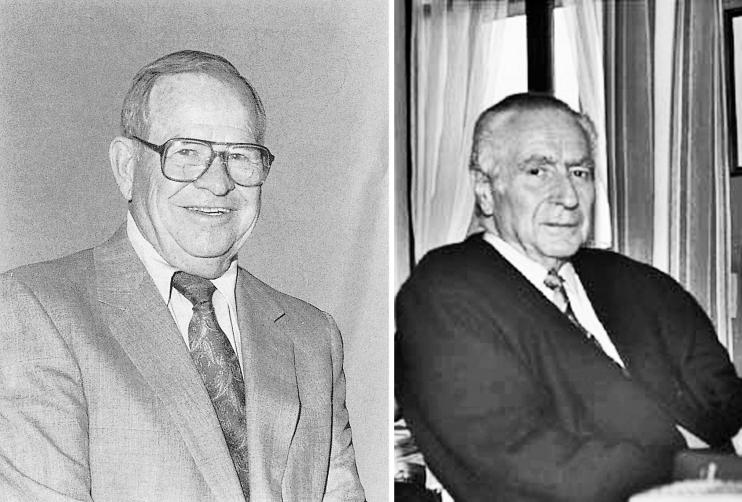
Figure 12. John Young (1919–1990) (left), with the assistance of J. Paul Thomas (not shown), obtained a federal grant to demonstrate the superiority of comprehensive over fragmented SCI care. Photo courtesy of Craig Hospital Archives. Alain Rossier (right) (1930–2006) was from Switzerland but worked for 11 years in the US. He was a powerful advocate for veterans with SCI. Photo courtesy of the Swiss Paraplegic Association.

References

    1. Santayana G. The Life of Reason, Reason in Common Sense. New York: Charles Scribner's; 1905. p. 284.
    1. Hughes JT. The Edwin Smith Papyrus; an analysis of the first case reports of spinal cord injuries. Paraplegia. 1988;26:71–82. - PubMed
    1. Breasted JH. Edwin Smith Surgical Papyrus in Facsimile and Hieroglyphic Transliteration With Translation and Commentary. 2 Vols. Chicago, IL: University of Chicago Oriental Institute Publications; 1930.
    1. Guttmann L. Spinal Cord Injuries. Comprehensive Management and Research. London, England: Blackwell Scientific Publications; 1976. pp. 4–7.
    1. Wang D, El-Masry WS, Crumplin M, Eisenstein S, Pusey RJ, Meagher T. Admiral Lord Nelson's death: known and unknown—a historical review of the anatomy. Spinal Cord. 2005;43:573–576. - PubMed

MeSH terms