


"The rust of life": impact of anxiety on cardiac patients
- PMID: 17595368
- PMCID: PMC2668571
"The rust of life": impact of anxiety on cardiac patients
Abstract
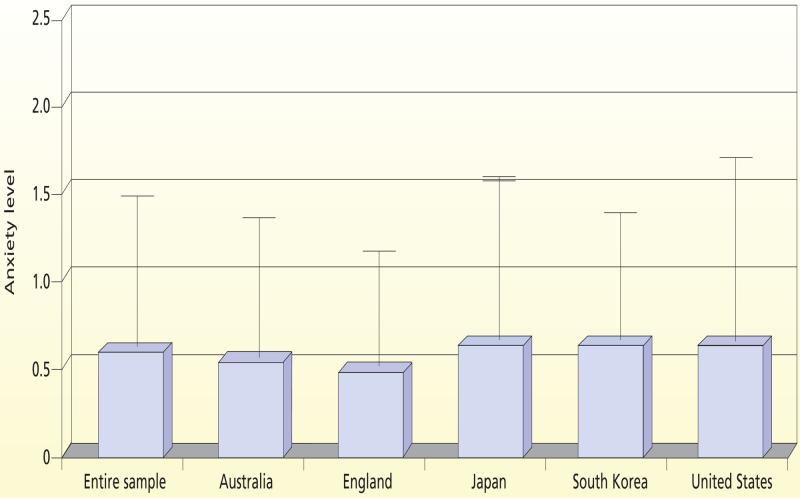
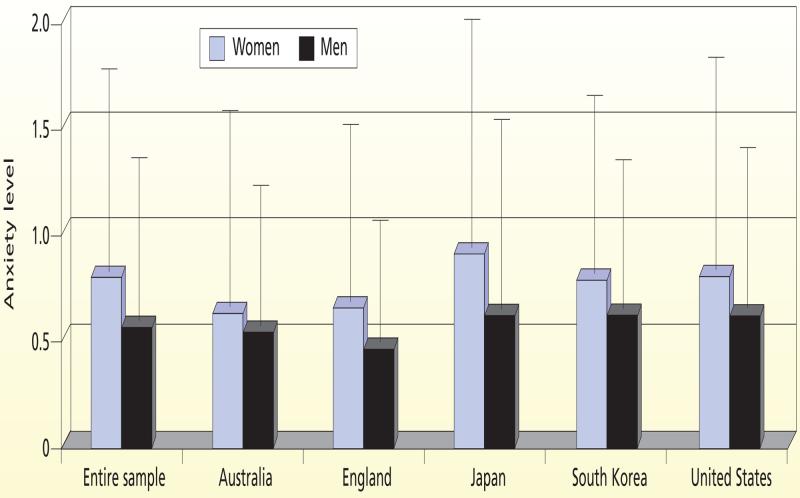
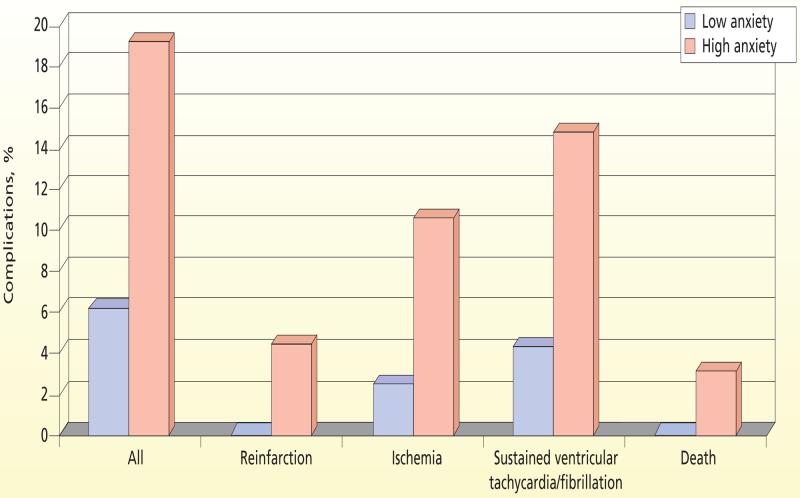
Anxiety has both functionally appropriate and inappropriate consequences. Among patients with cardiac disease, anxiety can be functionally appropriate when it prompts an individual to quickly seek treatment for acute cardiac signs and symptoms. But anxiety may have medical or psychological consequences when it is persistent or severe, including difficulty adhering to prescribed treatments and making recommended lifestyle changes, adoption of or failure to change risky behaviors, increased risk for acute cardiac events, and increased risk for in-hospital complications after admission for acute coronary syndrome. Yet, because anxiety is a universal emotion that is managed without consequence by many people, its importance is often ignored by healthcare providers. The impact of psychosocial (with a major emphasis on anxiety) and behavioral variables on biological outcomes was examined systematically. The research included (1) examination and comparison of the intensity of anxiety in international samples of various critically, acutely, and chronically ill cardiac patients; (2) determination of differences between men and women in the expression of anxiety; (3) investigation of factors predictive of anxiety levels, including perceived control; (4) studies of healthcare providers' knowledge of anxiety assessment and providers' practices in assessing and managing anxiety; and (5) determination of the impact of anxiety on clinical outcomes in cardiac patients. The goal of this program of research is to improve patients' outcomes on a widespread basis by placing anxiety in the forefront of clinical cardiac practice.
Figures
References
-
- Chockalingam A, Balaguer-Vintro I, Achutti A, et al. The World Heart Federation's white book. Impending global pandemic of cardiovascular diseases: challenges and opportunities for the prevention and control of cardiovascular diseases in developing countries and economies in transition. Can J Cardiol. 2000;16:227–229. - PubMed
-
- Reddy KS, Yusuf S. Emerging epidemic of cardiovascular disease in developing countries. Circulation. 1998;97:596–601. - PubMed
-
- Rosamond W, Flegal K, Friday G, et al. Heart disease and stroke statistics—2007 update: a report from the American Heart Association Statistics Committee and Stroke Statistics Subcommittee. Circulation. 2007;115(5):e69–e171. [published correction appears in Circulation. 2007;115(5):e172] - PubMed
-
- Breithardt G, Borggrefe M, Fetsch T, Bocker D, Makijarvi M, Reinhardt L. Prognosis and risk stratification after myocar-dial infarction. Eur Heart J. 1995;16(suppl G):10–19. - PubMed
-
- Kubzansky LD, Kawachi I. Going to the heart of the matter: do negative emotions cause coronary heart disease? J Psychosom Res. 2000;48:323–337. - PubMed