


Bacterial superantigens and T cell receptor beta-chain-bearing T cells in the immunopathogenesis of ulcerative colitis
- PMID: 17614973
- PMCID: PMC2219284
- DOI: 10.1111/j.1365-2249.2007.03443.x
Bacterial superantigens and T cell receptor beta-chain-bearing T cells in the immunopathogenesis of ulcerative colitis
Abstract
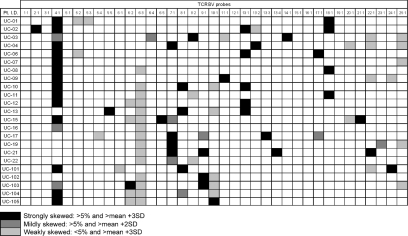
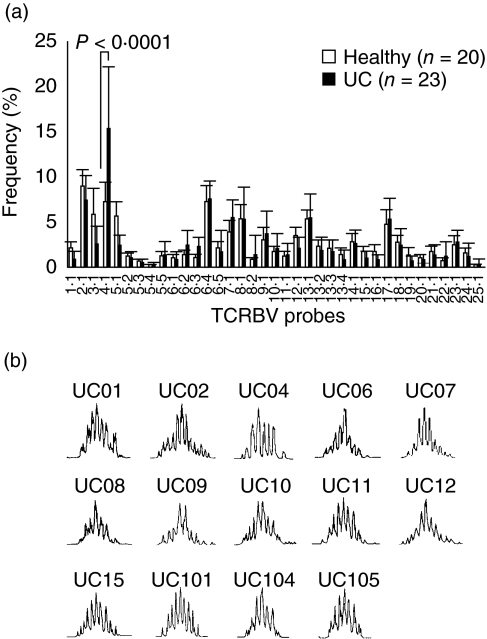
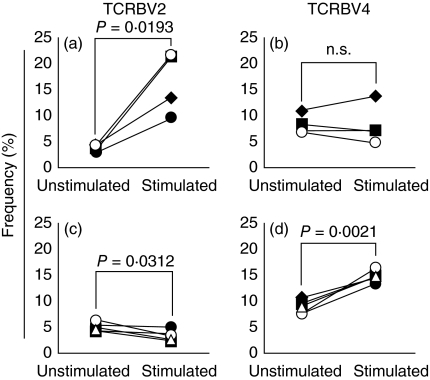
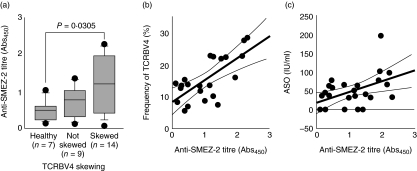
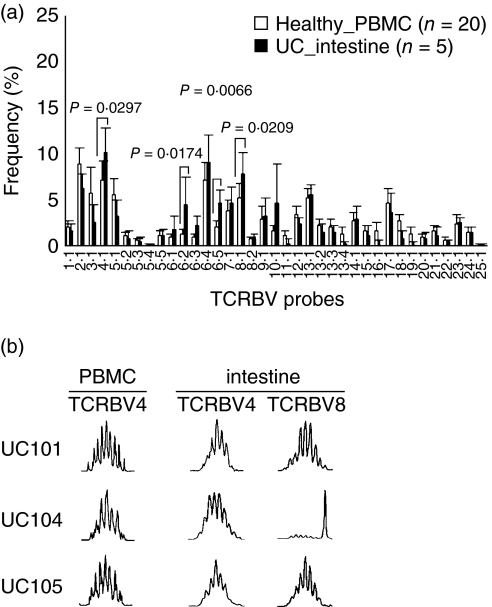
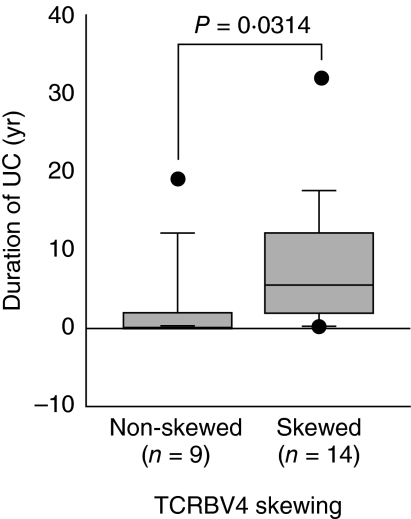
Ulcerative colitis (UC) is a chronic relapsing-remitting inflammatory bowel disease (IBD) that affects the colon and the rectum producing debilitating symptoms, which impair ability to function and quality of life. The aetiology of IBD is incompletely understood, but within the lymphocyte population, specific T cell subsets are known to be major factors in the development of intestinal immune pathology while different subsets are essential regulators, controlling IBD. Hence, IBD is thought to reflect dysregulated T cell behaviour. This study was to investigate if the normal molecular configuration of the T cell receptor (TCR) repertoire is compromised in patients with UC. The percentage of T cell-bearing beta-chain 4 (TCRBV4) was high in patients with UC, and T cells showed polyclonal expansion in the presence of bacterial superantigens (SA) such as streptococcal mitogenic exotoxin Z-2 (SMEZ-2), indicating that bacterial SA promote specific TCRBV family expansion. Further, in patients with UC, the duration of UC was significantly longer in patients with skewed TCRBV4 compared with patients without TCRBV4 skewing, suggesting that long-term exposure to bacterial SA such as SMEZ-2 might promote systemic immune disorders like the remission-relapsing cycles seen in patients with UC. In conclusion, our observations in this study support the perception that the systemic activation of T cells by enteric bacterial SA might lead to a dysregulated, but exuberant immune activity causing the remission and flare-up cycle of mucosal inflammation in patients with UC. Future studies should strengthen our findings and increase understanding on the aetiology of IBD.
Figures
References
-
- Allison M, Dhillon A, Lewis W, Pounder R. Pathogenesis of inflammatory bowel disease. In: Allison M, Dhillon A, Lewis W, Pounder R, editors. Inflammatory bowel disease. London: Mosby; 1998. pp. 15–95.
-
- Ogunbi SO, Ransom JA, Sullivan K, Schoen BT, Gold BD. Inflammatory bowel disease in African-American children living in Georgia. J Pediatr. 1998;133:103–7. - PubMed
-
- Reddy SI, Burakoff R. Inflammatory bowel disease in African Americans. Inflamm Bowel Dis. 2003;9:380–5. - PubMed
-
- Robison WW, Bentlif PS, Kelsey JR., Jr Observations on 261 consecutive patients with inflammatory bowel disease seen in the Southwest United States. Dig Dis Sci. 1980;25:198–204. - PubMed
-
- Sartor RB. Pathogenesis and immune mechanisms of chronic inflammatory bowel diseases. Am J Gastroenterol. 1997;92:S5–11. - PubMed
MeSH terms
Substances
LinkOut - more resources
Full Text Sources
Medical
