


Electrical and structural remodeling in left ventricular hypertrophy-a substrate for a decrease in QRS voltage?
- PMID: 17617072
- PMCID: PMC6932385
- DOI: 10.1111/j.1542-474X.2007.00170.x
Electrical and structural remodeling in left ventricular hypertrophy-a substrate for a decrease in QRS voltage?
Abstract
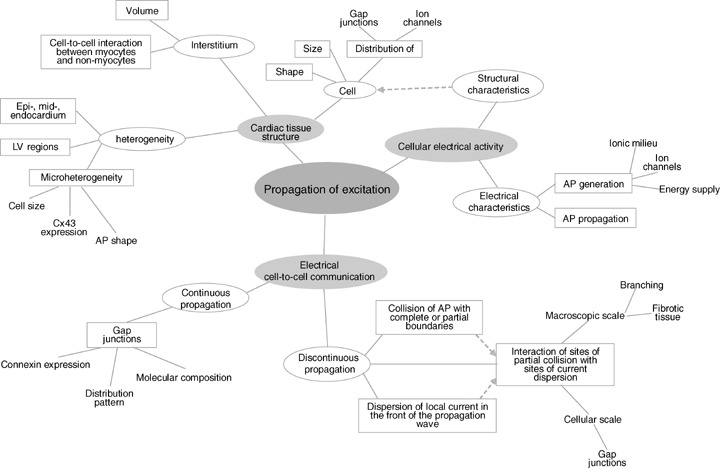
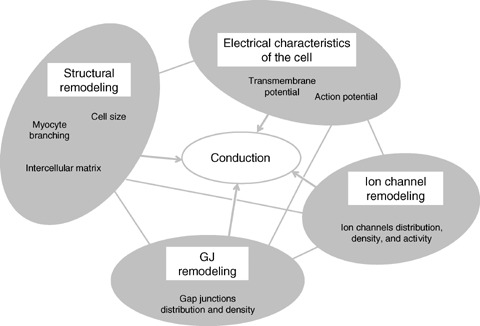
Electrical remodeling in advanced stages of cardiovascular diseases creates a substrate for triggering and maintenance of arrhythmias. The electrical remodeling is a continuous process initiated already in the early stages of cardiological pathology. The aim of this opinion article was to discuss the changes in electrical properties of myocardium in left ventricular hypertrophy (LVH), with special focus on its early stage, as well as their possible reflection in the QRS amplitude of the electrocardiogram. It critically appraises the classical hypothesis related to the QRS voltage changes in LVH. The hypothesis of the relative voltage deficit is discussed in the context of supporting evidence from clinical studies, animal experiments, and simulation studies. The underlying determinants of electrical impulse propagation which may explain discrepancies between "normal" ECG findings and increased left ventricular size/mass in LVH are reviewed.
Figures
References
-
- Kleber AG, Rudy Y. Basic mechanisms of cardiac impulse propagation and associated arrhythmias. Physiol Rev 2004;84:431–488. - PubMed
-
- Spach MS, Heidlage JF, Dolber PC, et al Electrophysiological effects of remodeling cardiac gap junctions and cell size. Experimental and model studies of normal cardiac growth. Circ Res 2000;86:302–311. - PubMed
-
- Spach MS, Barr RC. Effects of cardiac microstructure on propagating electrical waveforms. Circ Res 2000;86:e23–e28. - PubMed
-
- Tomaselli FG, Marban E. Electrophysiological remodeling in hypertrophy and heart failure. Cardiovasc Res 1999;42:270–283. - PubMed
-
- Nattel S, Li D. Ionic remodeling in the heart. Pathophysioogical significance and new therapeutic opportunities for atrial fibrillation. Circ Res 2000;87:440–447. - PubMed
Publication types
MeSH terms
Substances
LinkOut - more resources
Full Text Sources
