


Mechanism and regulation of cellular zinc transport
- PMID: 17622322
- PMCID: PMC1952664
- DOI: 10.2119/2007–00037.Sekler
Mechanism and regulation of cellular zinc transport
Abstract
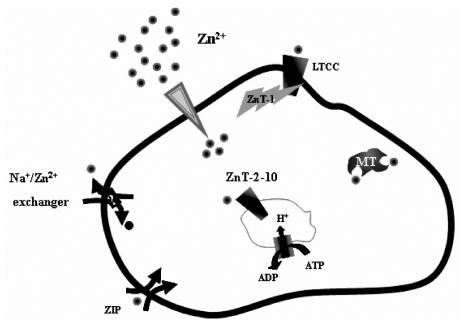
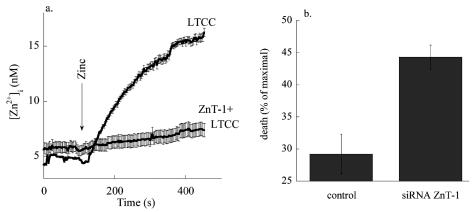
Zinc is an essential cofactor for the activity and folding of up to ten percent of mammalian proteins and can modulate the function of many others. Because of the pleiotropic effects of zinc on every aspect of cell physiology, deficits of cellular zinc content, resulting from zinc deficiency or excessive rise in its cellular concentration, can have catastrophic consequences and are linked to major patho-physiologies including diabetes and stroke. Thus, the concentration of cellular zinc requires establishment of discrete, active cellular gradients. The cellular distribution of zinc into organelles is precisely managed to provide the zinc concentration required by each cell compartment. The complexity of zinc homeostasis is reflected by the surprisingly large variety and number of zinc homeostatic proteins found in virtually every cell compartment. Given their ubiquity and importance, it is surprising that many aspects of the function, regulation, and crosstalk by which zinc transporters operate are poorly understood. In this mini-review, we will focus on the mechanisms and players required for generating physiologically appropriate zinc gradients across the plasma membrane and vesicular compartments. We will also highlight some of the unsolved issues regarding their role in cellular zinc homeostasis.
Figures
References
-
- Berg JM, Shi Y. The galvanization of biology: a growing appreciation for the roles of zinc. Science. 1996;271:1081–5. - PubMed
-
- Vallee BL, Falchuk KH. The biochemical basis of zinc physiology. Physiol-Rev. 1993;73:79–118. - PubMed
-
- Maret W, Sandstead HH. Zinc requirements and the risks and benefits of zinc supplementation. J Trace Elem Med Biol. 2006;20:3–18. - PubMed
-
- MacDonald RS. The role of zinc in growth and cell proliferation. J Nutr. 2000;130:1500S–8S. - PubMed
-
- Frederickson CJ, Koh JY, Bush AI. The neurobiology of zinc in health and disease. Nat Rev Neurosci. 2005;6:449–62. - PubMed
Publication types
MeSH terms
Substances
LinkOut - more resources
Full Text Sources