


The discovery of aspirin's antithrombotic effects
- PMID: 17622365
- PMCID: PMC1894700
The discovery of aspirin's antithrombotic effects
Abstract
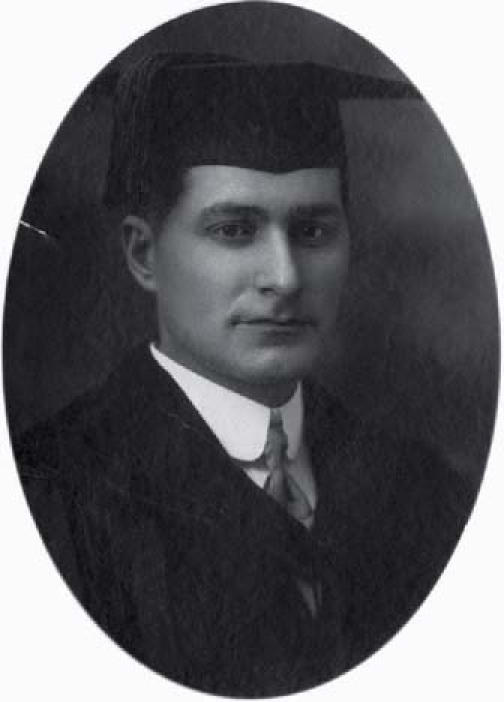
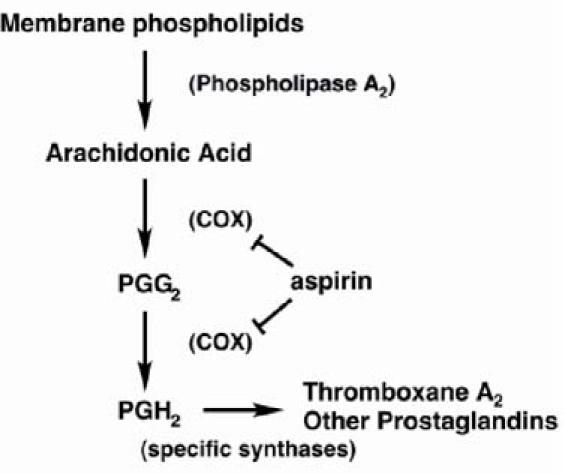
Aspirin has long been established as a useful analgesic and antipyretic. Even in ancient times, salicylate-containing plants such as the willow were commonly used to relieve pain and fever. In the 20th century, scientists discovered many details of aspirin's anti-inflammatory and analgesic properties, including its molecular mechanism of action. In addition, the latter half of the century brought reports that daily, low doses of aspirin could prevent myocardial infarction and stroke. This finding was first reported by Lawrence Craven, a suburban general practitioner in Glendale, California. Unfortunately, Craven's work went largely unnoticed, and decades passed before his observations were verified by clinical trial. We present Craven's story, which demonstrates the value of a single physician's commitment to lifelong learning. In addition, we summarize the work of the physicians and scientists who discovered the molecular mechanisms by which aspirin exerts its antiplatelet effects. Collectively, these discoveries exemplify the complementary roles of basic science and clinical observation in advancing medicine.
Figures
Comment in
-
The history of aspirin.Tex Heart Inst J. 2007;34(3):392. Tex Heart Inst J. 2007. PMID: 17948099 Free PMC article. No abstract available.
-
The history of aspirin.Tex Heart Inst J. 2007;34(3):392-3. Tex Heart Inst J. 2007. PMID: 17948100 Free PMC article. No abstract available.
References
-
- Jack DB. One hundred years of aspirin. Lancet 1997;350:437–9. - PubMed
-
- Stone E. An account of the success of the bark of the willow tree in the cure of agues. Philos Trans R Soc Lond 1763;53: 195–200.
-
- Leroux H. Discovery of salicine. J Chim Med 1830;6:340–432.
Publication types
MeSH terms
Substances
Personal name as subject
- Actions
LinkOut - more resources
Full Text Sources
Other Literature Sources
Medical