


Functional consequences of methionine oxidation of hERG potassium channels
- PMID: 17624316
- PMCID: PMC3905454
- DOI: 10.1016/j.bcp.2007.06.002
Functional consequences of methionine oxidation of hERG potassium channels
Abstract
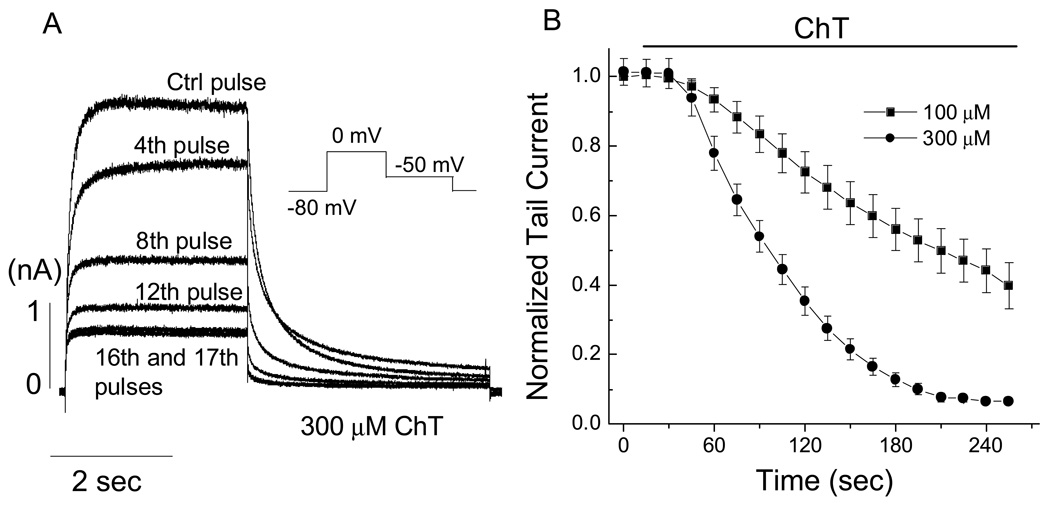
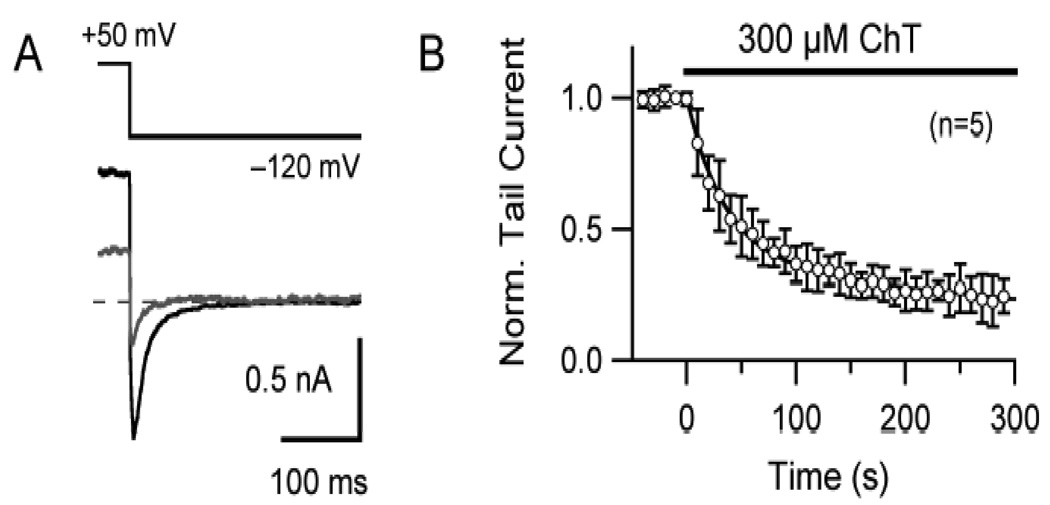
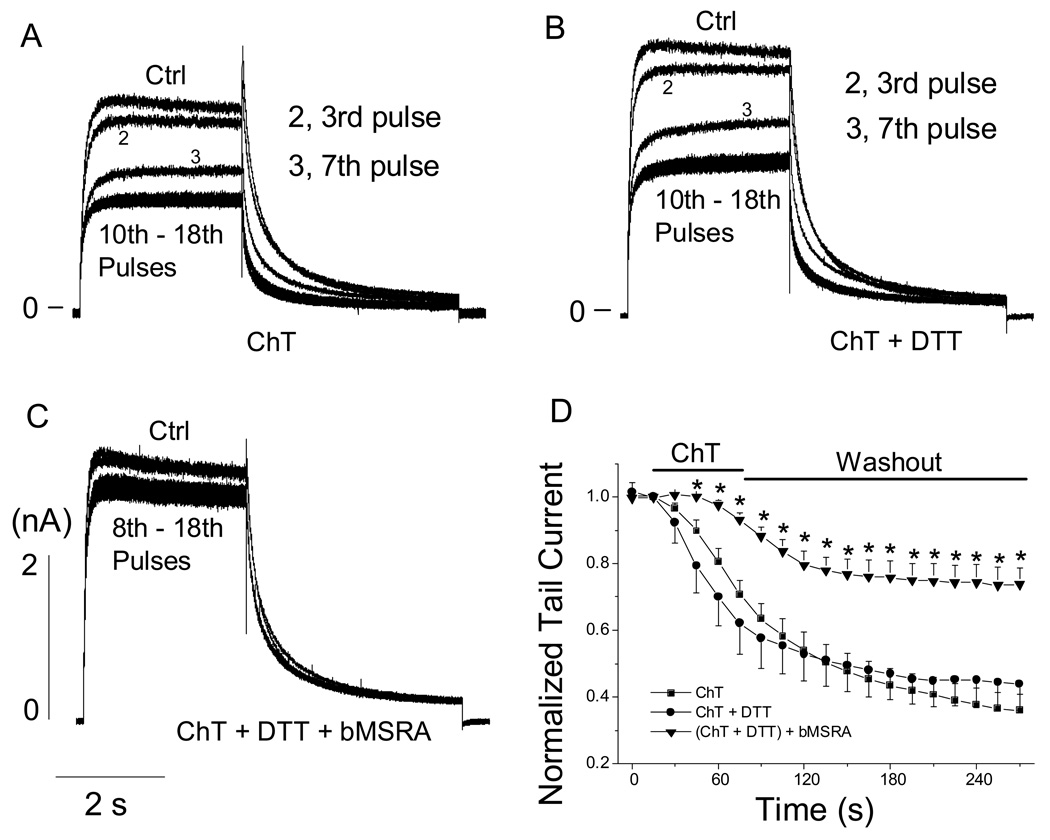
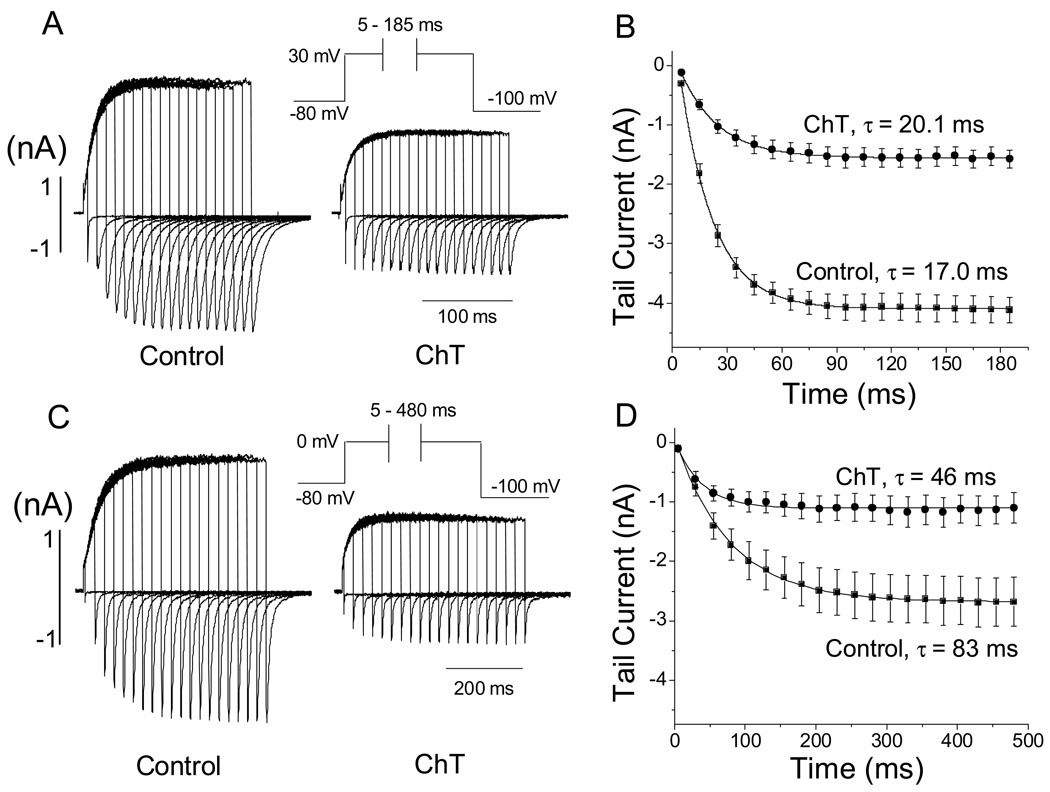
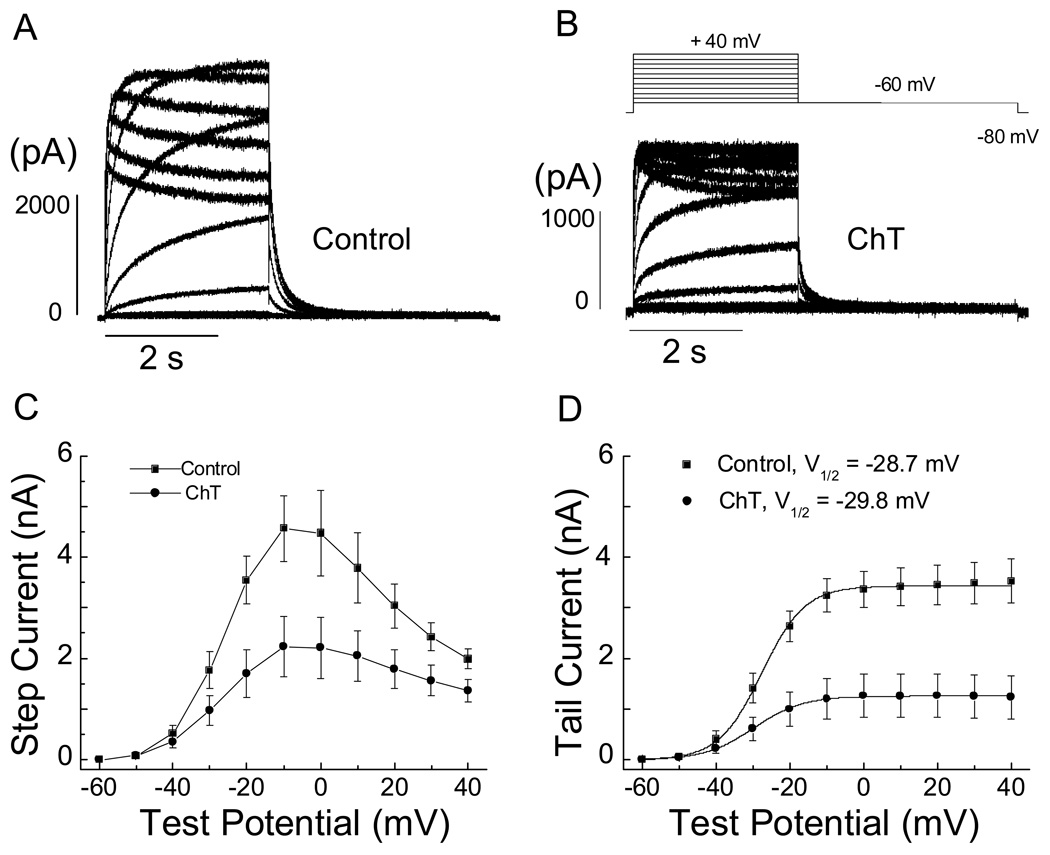
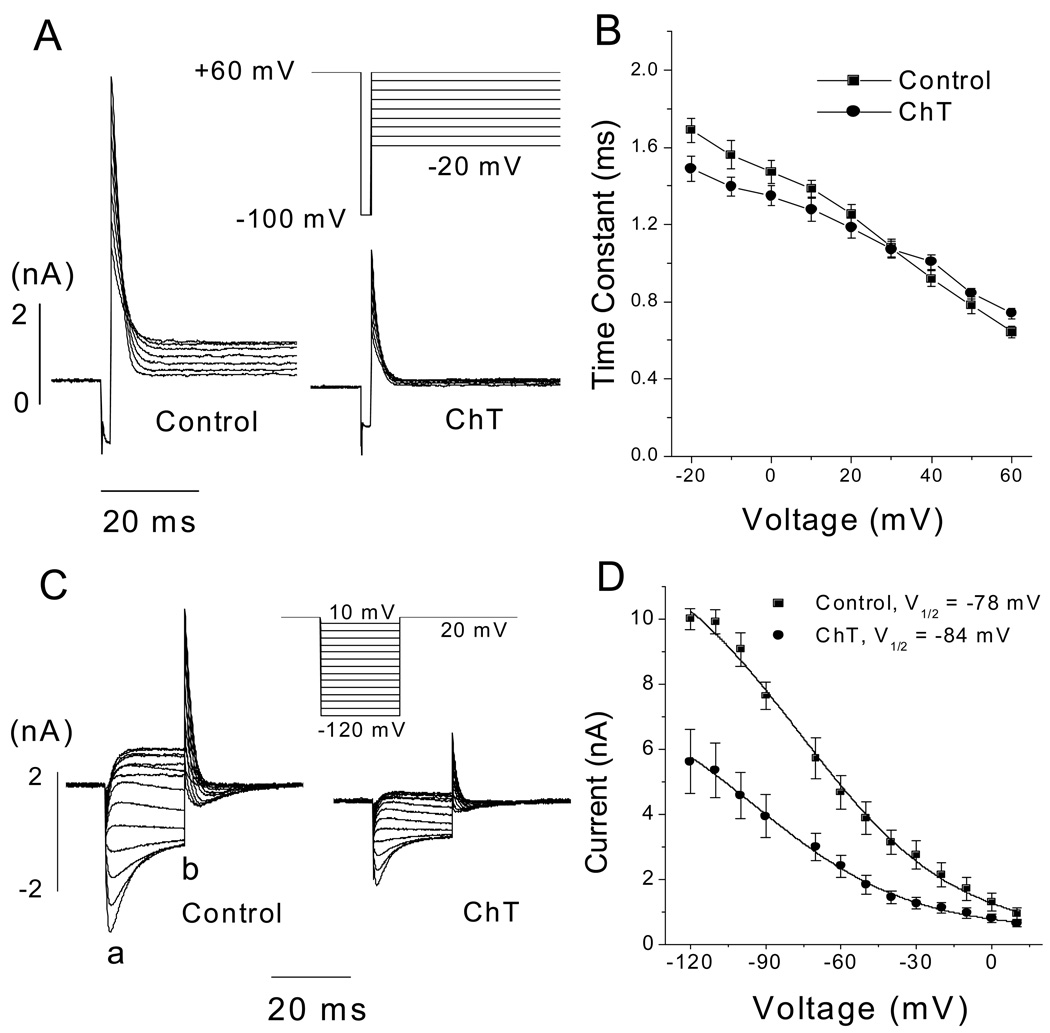
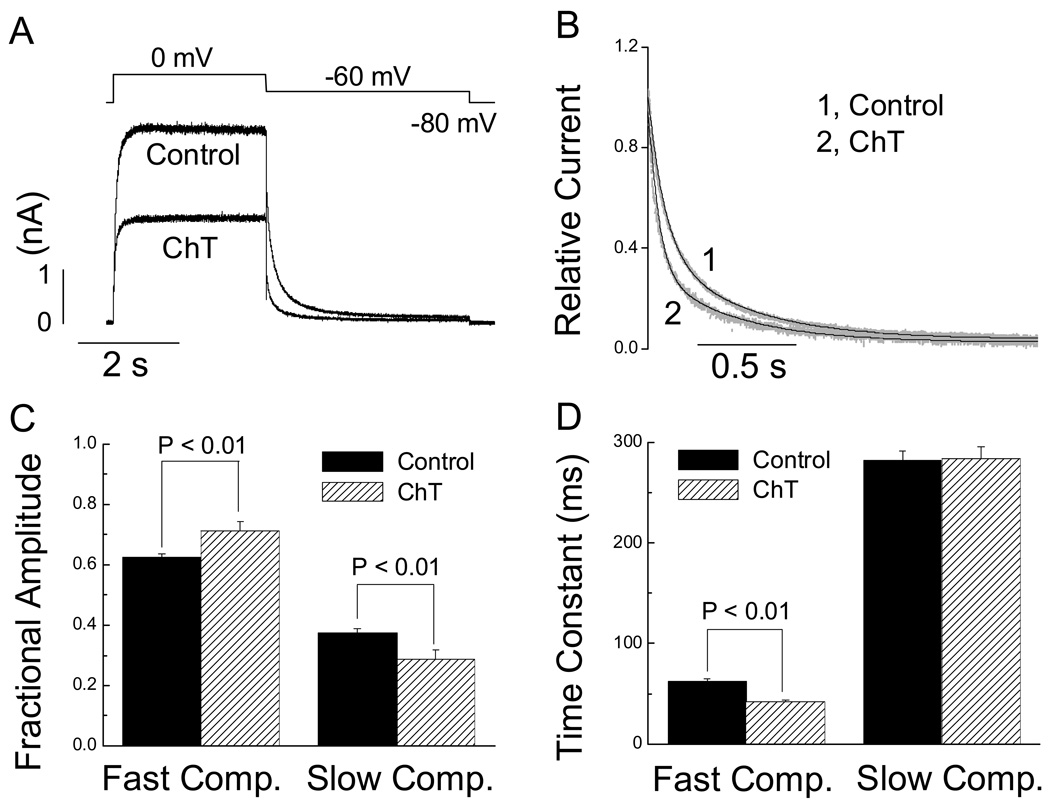
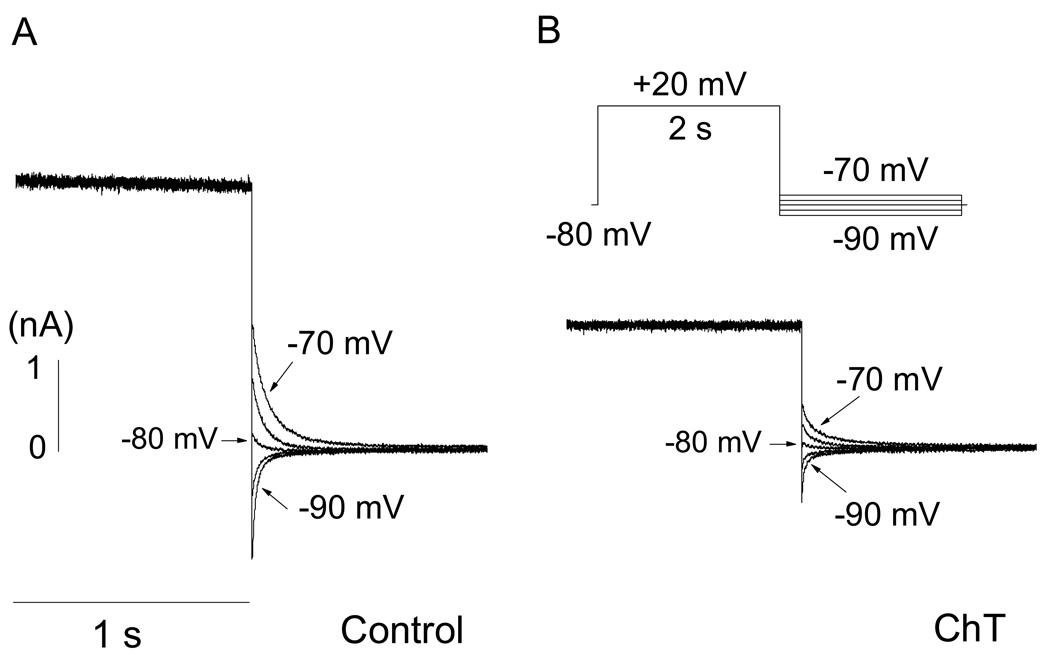
Reactive species oxidatively modify numerous proteins including ion channels. Oxidative sensitivity of ion channels is often conferred by amino acids containing sulfur atoms, such as cysteine and methionine. Functional consequences of oxidative modification of methionine in human ether à go-go related gene 1 (hERG1), which encodes cardiac I(Kr) channels, are unknown. Here we used chloramine-T (ChT), which preferentially oxidizes methionine, to examine the functional consequences of methionine oxidation of hERG channels stably expressed in a human embryonic kidney cell line (HEK 293) and native hERG channels in a human neuroblastoma cell line (SH-SY5Y). ChT (300 microM) significantly decreased whole-cell hERG current in both HEK 293 and SH-SY5Y cells. In HEK 293 cells, the effects of ChT on hERG current were time- and concentration-dependent, and were markedly attenuated in the presence of enzyme methionine sulfoxide reductase A that specifically repairs oxidized methionine. After treatment with ChT, the channel deactivation upon repolarization to -60 or -100 mV was significantly accelerated. The effect of ChT on channel activation kinetics was voltage-dependent; activation slowed during depolarization to +30 mV but accelerated during depolarization to 0 or -10mV. In contrast, the reversal potential, inactivation kinetics, and voltage-dependence of steady-state inactivation remained unaltered. Our results demonstrate that the redox status of methionine is an important modulator of hERG channel.
Figures
References
-
- Sanguinetti MC, Jiang C, Curran ME, Keating MT. A mechanistic link between an inherited and an acquired cardiac arrhythmia: HERG encodes the IKr potassium channel. Cell. 1995;81:299–307. - PubMed
-
- Trudeau MC, Warmke JW, Ganetzky B, Robertson GA. HERG, a human inward rectifier in the voltage-gated potassium channel family. Science. 1995;269:92–95. - PubMed
-
- Viskin S. Long QT syndromes and torsade de pointes. Lancet. 1999;354:1625–1633. - PubMed
-
- Keating MT, Sanguinetti MC. Molecular and cellular mechanisms of cardiac arrhythmias. Cell. 2001;104:569–580. - PubMed
-
- Keating MT. Genetic approaches to cardiovascular disease. Supravalvular aortic stenosis, Williams syndrome, and long-QT syndrome. Circulation. 1995;92:142–147. - PubMed
Publication types
MeSH terms
Substances
Grants and funding
LinkOut - more resources
Full Text Sources
Miscellaneous
