


Cannabinoid-2 receptor agonist HU-308 protects against hepatic ischemia/reperfusion injury by attenuating oxidative stress, inflammatory response, and apoptosis
- PMID: 17652447
- PMCID: PMC2225476
- DOI: 10.1189/jlb.0307180
Cannabinoid-2 receptor agonist HU-308 protects against hepatic ischemia/reperfusion injury by attenuating oxidative stress, inflammatory response, and apoptosis
Abstract
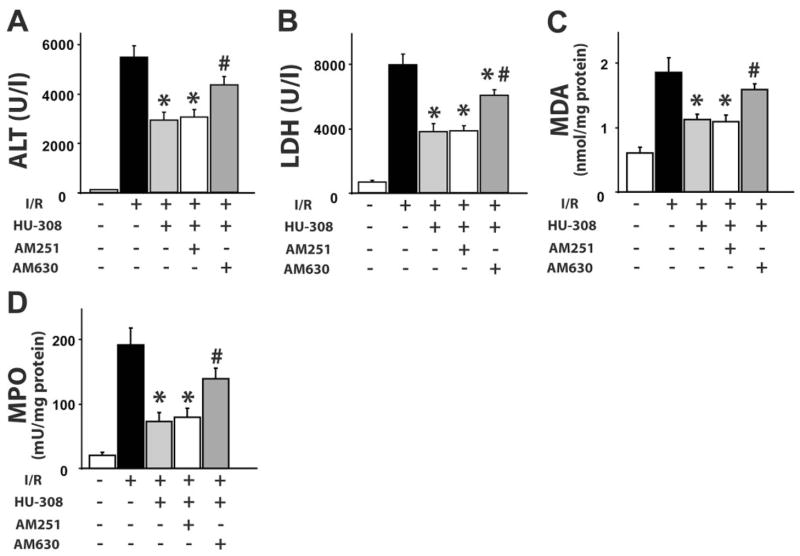
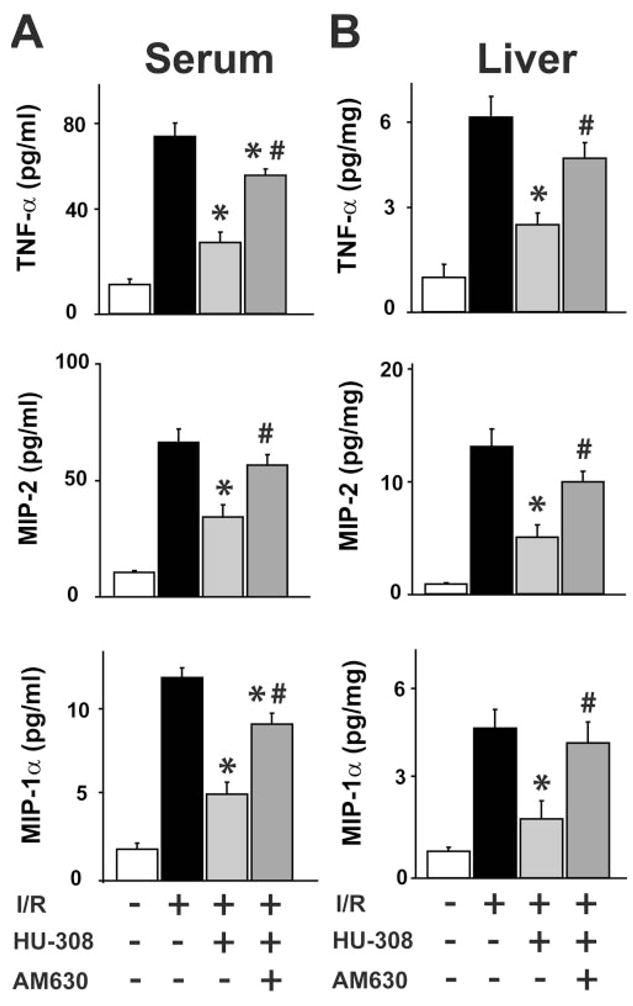
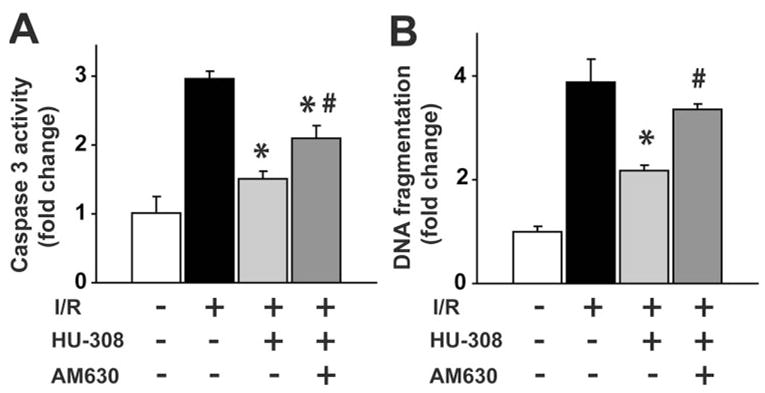
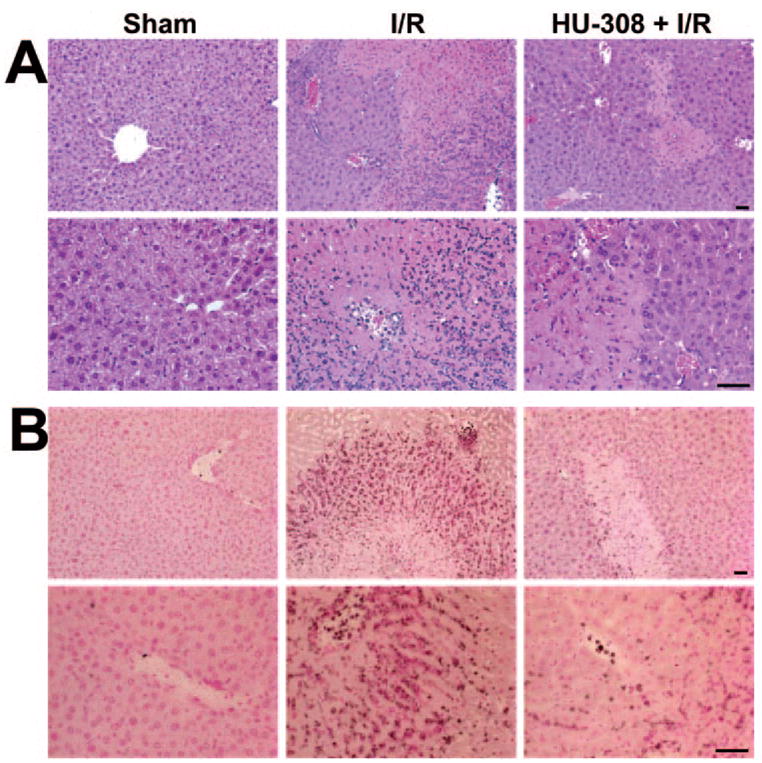
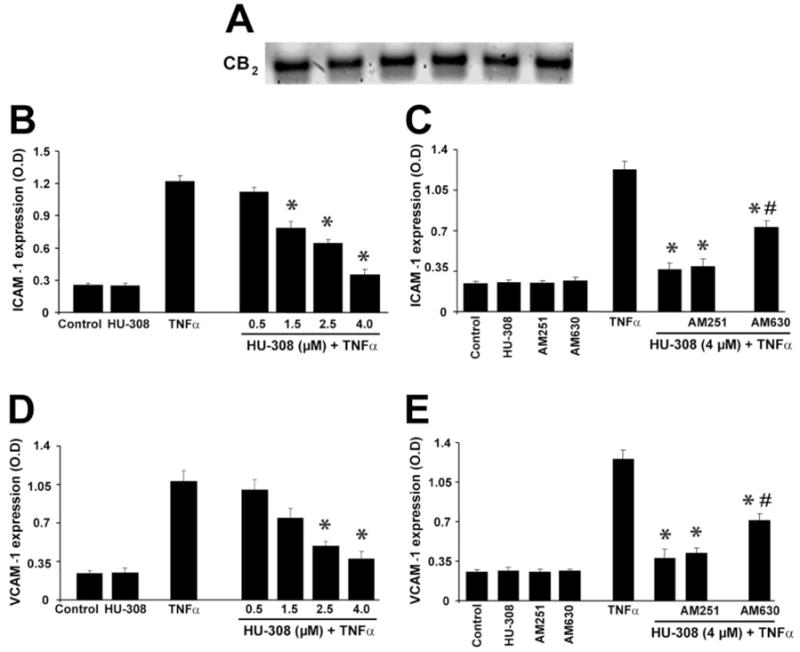
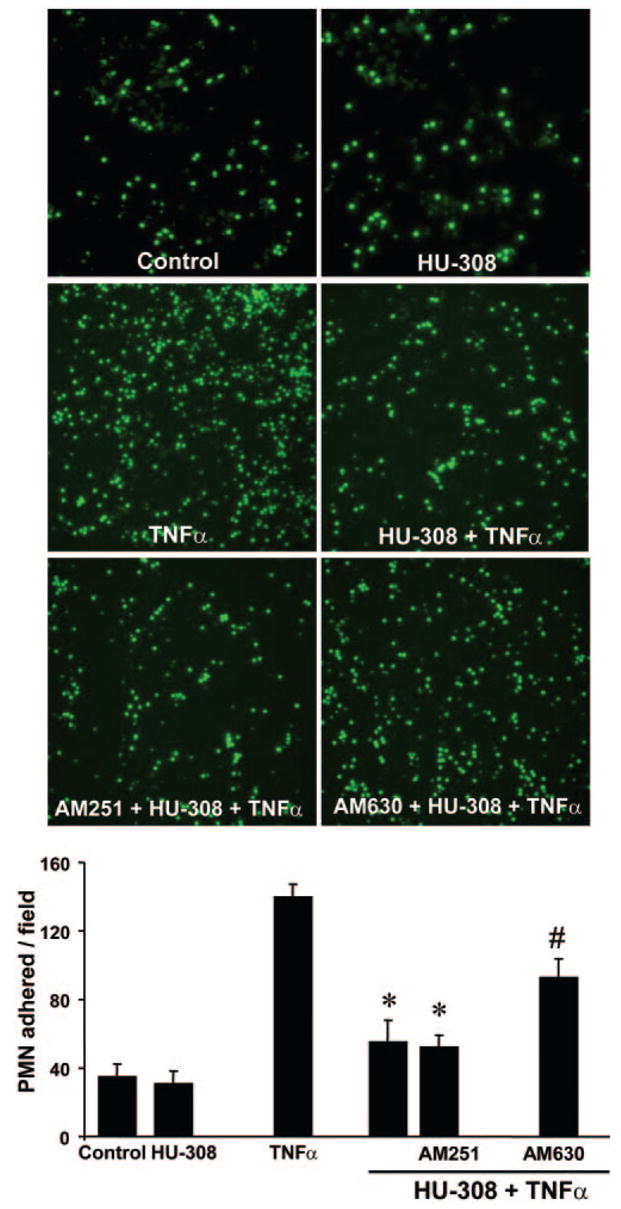
In this study, we have investigated the role of the cannabinoid CB(2) (CB(2)) receptor in an in vivo mouse model of hepatic ischemia/reperfusion (I/R) injury. In addition, we have assessed the role of the CB(2) receptor in TNF-alpha-induced ICAM-1 and VCAM-1 expression in human liver sinusoidal endothelial cells (HLSECs) and in the adhesion of human neutrophils to HLSECs in vitro. The potent CB(2) receptor agonist HU-308, given prior to the induction of I/R, significantly attenuated the extent of liver damage (measured by serum alanine aminotransferase and lactate dehydrogenase) and decreased serum and tissue TNF-alpha, MIP-1alpha, and MIP-2 levels, tissue lipid peroxidation, neutrophil infiltration, DNA fragmentation, and caspase 3 activity. The protective effect of HU-308 against liver damage was also preserved when given right after the ischemic episode. HU-308 also attenuated the TNF-alpha-induced ICAM-1 and VCAM-1 expression in HLSECs, which expressed CB(2) receptors, and the adhesion of human neutrophils to HLSECs in vitro. These findings suggest that selective CB(2) receptor agonists may represent a novel, protective strategy against I/R injury by attenuating oxidative stress, inflammatory response, and apoptosis.
Figures
References
-
- Fan C, Zwacka RM, Engelhardt JF. Therapeutic approaches for ischemia/reperfusion injury in the liver. J Mol Med. 1999;77:577–592. - PubMed
-
- Jaeschke H, Lemasters JJ. Apoptosis versus oncotic necrosis in hepatic ischemia/reperfusion injury. Gastroenterology. 2003;125:1246–1257. - PubMed
-
- Kupiec-Weglinski JW, Busuttil RW. Ischemia and reperfusion injury in liver transplantation. Transplant Proc. 2005;37:1653–1656. - PubMed
-
- Husted TL, Lentsch AB. Anti-inflammatory approaches to the prevention of ischemia/reperfusion injury in solid organ transplantation. Curr Opin Investig Drugs. 2005;6:508–512. - PubMed
-
- Szabo G, Bahrle S. Role of nitrosative stress and poly(ADP-ribose) polymerase activation in myocardial reperfusion injury. Curr Vasc Pharmacol. 2005;3:215–220. - PubMed
Publication types
MeSH terms
Substances
Grants and funding
LinkOut - more resources
Full Text Sources
Other Literature Sources
Research Materials
Miscellaneous
