


Role of prefrontal and parietal cortices in associative learning
- PMID: 17675369
- PMCID: PMC5470781
- DOI: 10.1093/cercor/bhm123
Role of prefrontal and parietal cortices in associative learning
Abstract
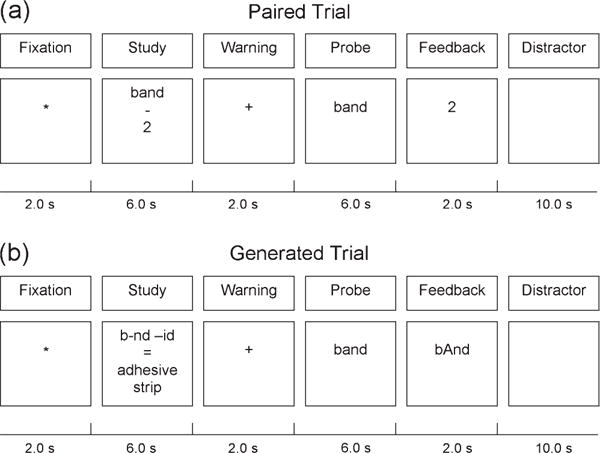
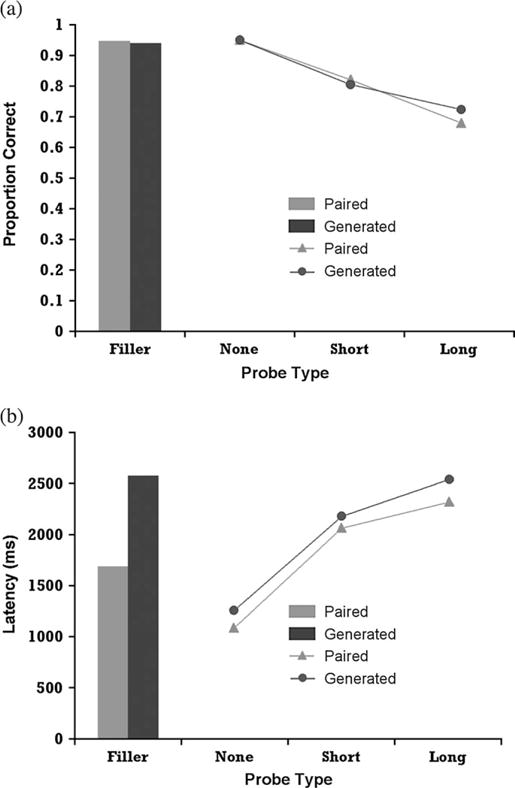
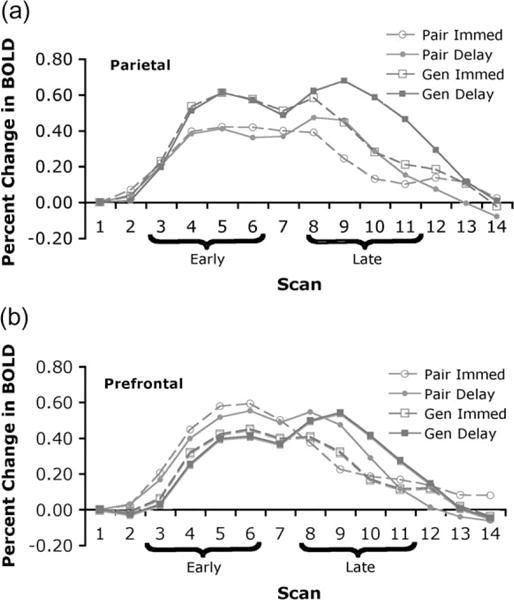
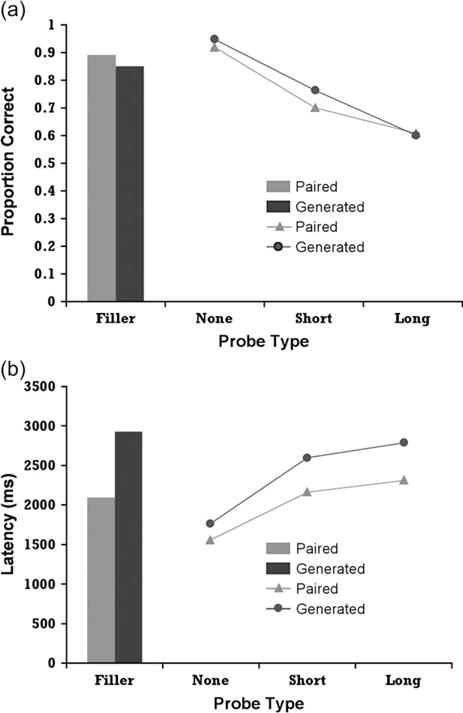
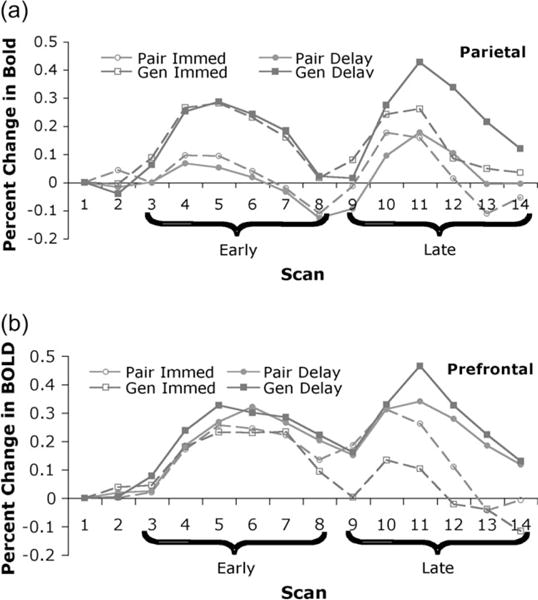
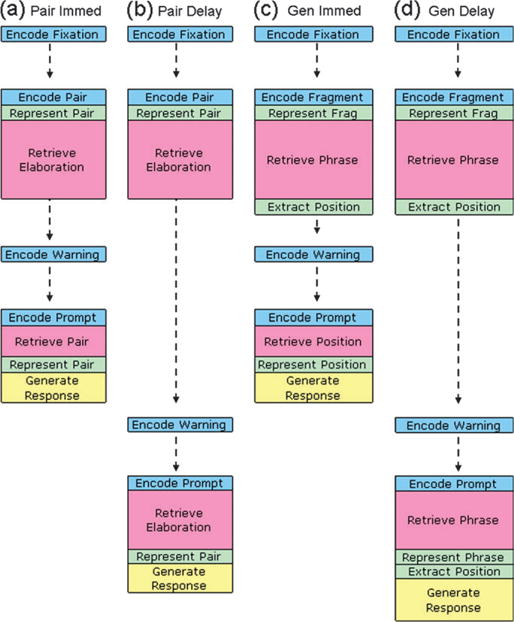
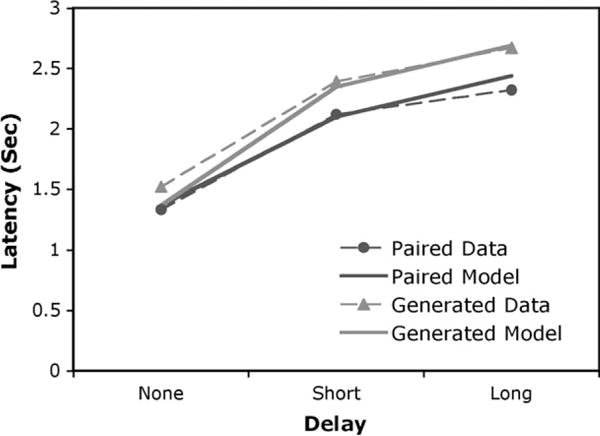
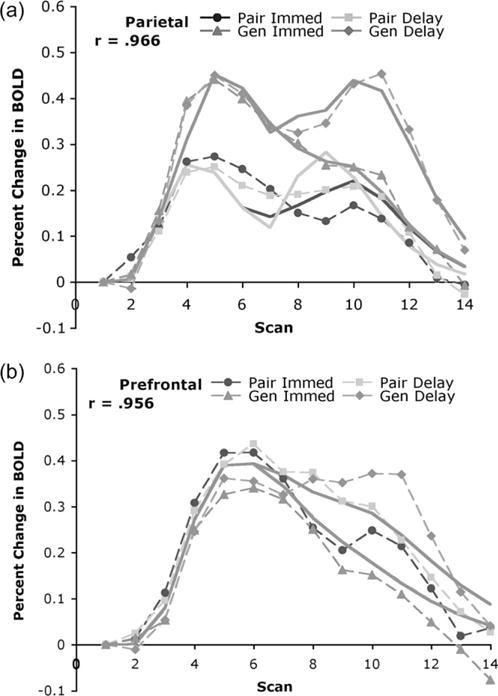
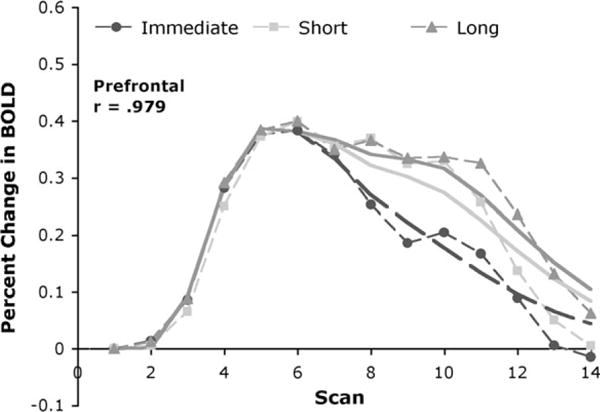
Two studies were performed that compared a "Paired" condition in which participants studied paired associates with a "Generated" condition in which participants completed word fragments to produce paired associates. In both tasks, participants were responsible for memory of the material either studied or generated. The experiments revealed significant differences between the responses of a predefined prefrontal region and a predefined parietal region. The parietal region responded more in the Generated condition than the Paired condition, whereas there was no difference in the prefrontal region. On the other hand, the prefrontal region responded to the delay between study and test in both the Paired and Generated conditions, whereas the parietal region only responded to delay in the Generated condition. This pattern of results is consistent with the hypothesis that the parietal region is responsive to changes in problem representation and the prefrontal region to retrieval operations. An information-processing model embodying these assumptions was fit to the blood oxygen level-dependent responses in these regions.
Conflict of interest statement
Figures
References
-
- Alivisatos B, Petrides M. Functional activation of the human brain during mental rotation. Neuropsychologia. 1997;35:111–118. - PubMed
-
- Anderson JR. Human symbol manipulation within an integrated cognitive architecture. Cogn Sci. 2005;29:313–342. - PubMed
-
- Anderson JR, Bothell D, Byrne MD, Douglass S, Lebiere C, Qin Y. An integrated theory of mind. Psychol Rev. 2004;111:1036–1060. - PubMed
-
- Anderson JR, Qin Y, Stenger VA, Carter CS. The relationship of three cortical regions to an information-processing model. J Cogn Neurosci. 2004;16:637–653. - PubMed
-
- Anderson JR, Qin Y, Yung K-J, Carter CS. Information-processing modules and their relative modality specificity. Cogn Psychol. 2007;54:185–217. - PubMed
Publication types
MeSH terms
Grants and funding
LinkOut - more resources
Full Text Sources
Medical
