


Tendon matrix composition and turnover in relation to functional requirements
- PMID: 17696905
- PMCID: PMC2517317
- DOI: 10.1111/j.1365-2613.2007.00552.x
Tendon matrix composition and turnover in relation to functional requirements
Abstract
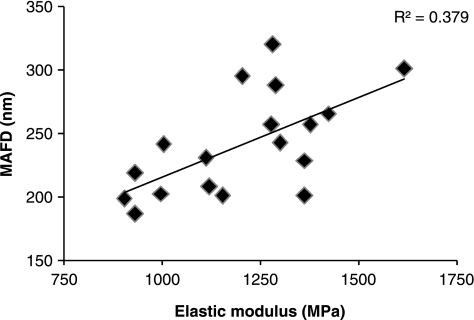
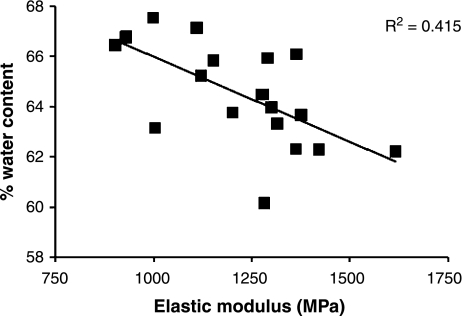
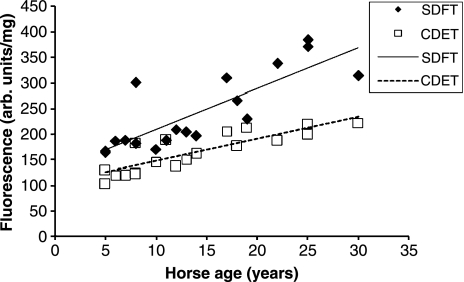
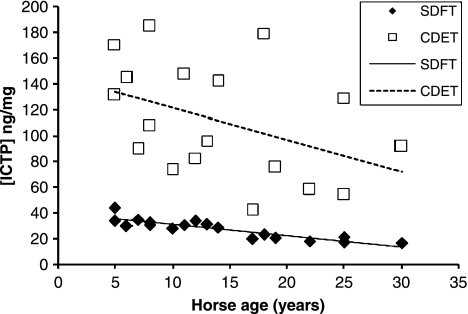
Tendons are dense regular connective tissue structures that are defined based on their anatomical position of connecting muscle to bone. Despite these obvious commons features tendons from different locations within the body show remarkable variation in terms of their morphological, molecular and mechanical properties which relates to their specialized function. An appreciation of these differences is necessary to understand all aspects of tendon biology in health and disease. In our work, we have used a combination of mechanical assessment, histological measurements and molecular analysis of matrix in functionally distinct tendons to determine relationships between function and structure. We have found significant differences in material and molecular properties between spring-like tendons that are subjected to high strains during locomotion and positional tendons which are subjected to much lower strains. Furthermore, we have data to suggest that not only is the matrix composition different but also the ability of cells to synthesize and degrade the matrix (matrix turnover) varies between tendon types. We propose that these differences relate to the magnitude of strain that the tendon experiences during normal activities in life. Tendon cells may be preprogrammed during embryological development for the strain they will encounter in life or may simply respond to the particular strain environment they are subjected to. The elucidation of controlling mechanisms resulting in tendon cell specialization will have important consequences for cell based therapies and engineering strategies to repair damaged tendons.
Figures
References
-
- Alexander RM. Tendon elasticity and muscle function. Comp. Biochem. Physiol., A Mol. Integr. Physiol. 2002;133:1001–1011. - PubMed
-
- Birch HL, Bailey AJ, Goodship AE. Macroscopic ‘degeneration’ of equine superficial digital flexor tendon is accompanied by a change in extracellular matrix composition. Equine Vet. J. 1998;30:534–539. - PubMed
-
- Birch HL, Bailey JV, Bailey AJ, Goodship AE. Age-related changes to the molecular and cellular components of equine flexor tendons. Equine Vet. J. 1999;31:391–396. - PubMed
-
- Birch HL, Smith TJ, Tasker T, Goodship AE. Transactions of the 47th Annual Meeting of the Orthopaedic Research Society. San Francisco, CA, USA: 2001. Age related changes to mechanical and matrix properties in human Achilles tendon.
-
- Brown NA, Kawcak CE, McIlwraith CW, Pandy MG. Architectural properties of distal forelimb muscles in horses. Equus caballus. J. Morphol. 2003;258:106–114. - PubMed
Publication types
MeSH terms
LinkOut - more resources
Full Text Sources
