


A reverse-translational approach to bipolar disorder: rodent and human studies in the Behavioral Pattern Monitor
- PMID: 17706782
- PMCID: PMC2025688
- DOI: 10.1016/j.neubiorev.2007.05.009
A reverse-translational approach to bipolar disorder: rodent and human studies in the Behavioral Pattern Monitor
Abstract
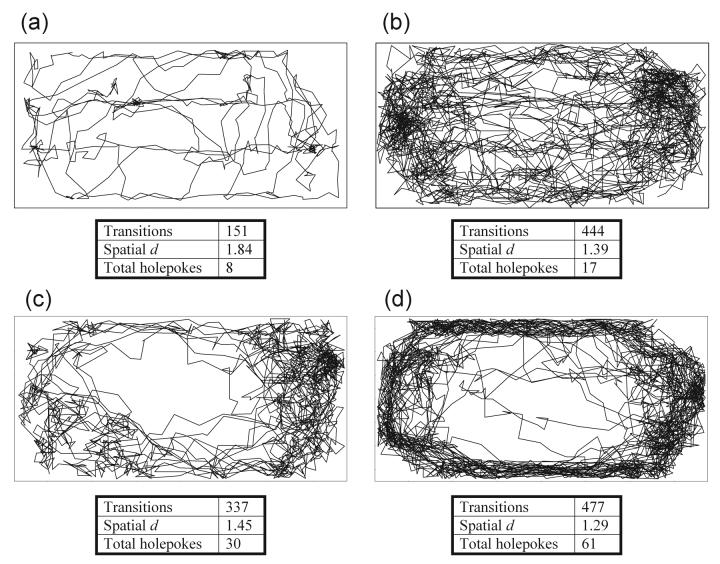
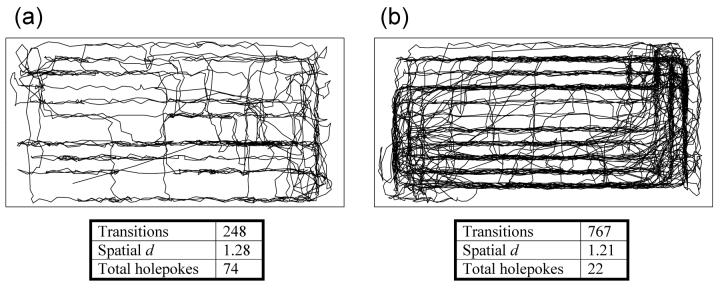
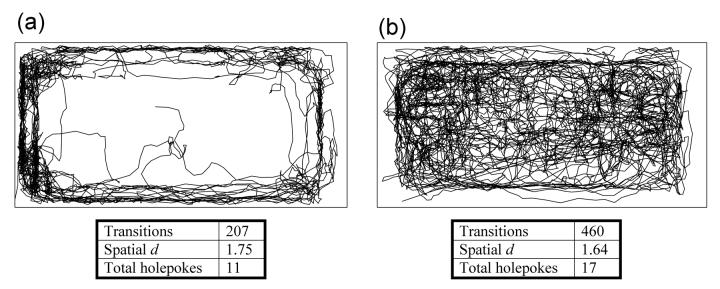
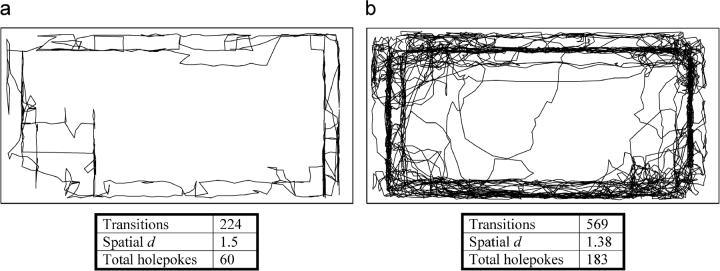
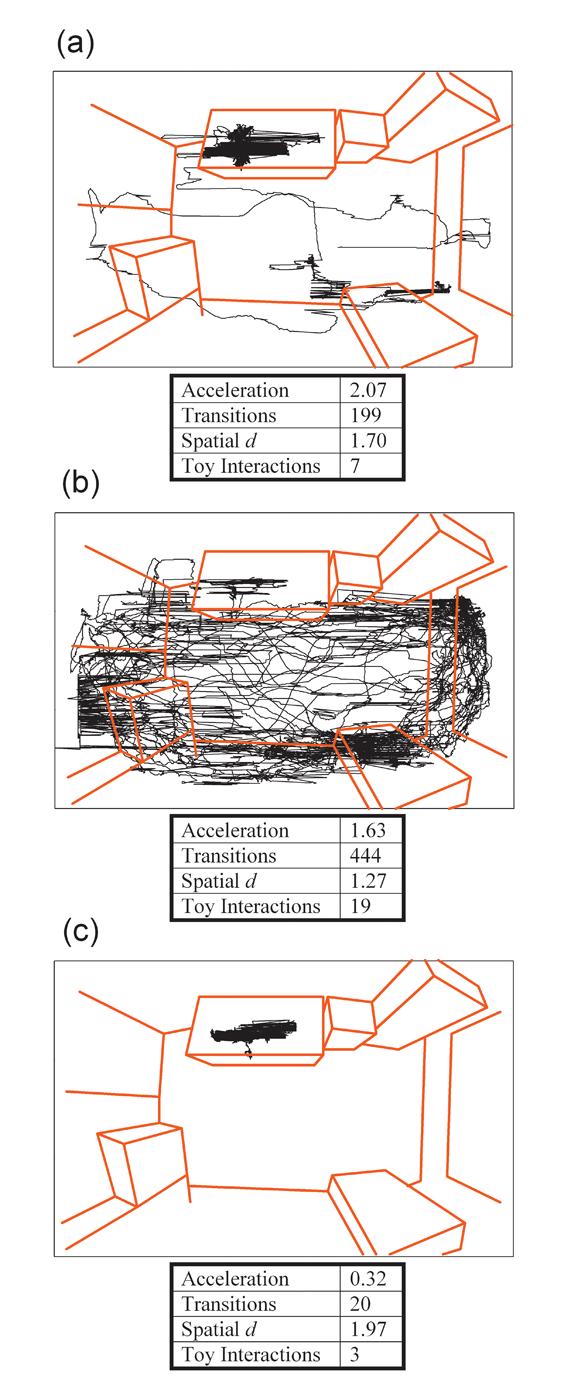
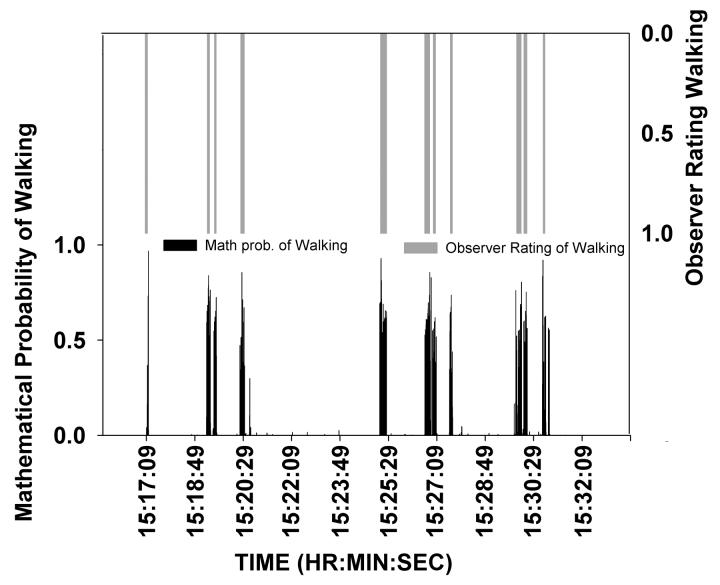
Mania is the defining feature of bipolar disorder (BD). There has been limited progress in understanding the neurobiological underpinnings of BD mania and developing novel therapeutics, in part due to a paucity of relevant animal models with translational potential. Hyperactivity is a cardinal symptom of mania, traditionally measured in humans using observer-rated scales. Multivariate assessment of unconditioned locomotor behavior using the rat Behavioral Pattern Monitor (BPM) developed in our laboratory has shown that hyperactivity includes complex multifaceted behaviors. The BPM has been used to demonstrate differential effects of drugs on locomotor activity and exploratory behavior in rats. Studies of genetically engineered mice in a mouse BPM have confirmed its utility as a cross-species tool. In a "reverse-translational" approach to this work, we developed the human BPM to characterize motor activity in BD patients. Increased activity, object interactions, and altered locomotor patterns provide multi-dimensional phenotypes to model in the rodent BPM. This unique approach to modeling BD provides an opportunity to identify the neurobiology underlying BD mania and test novel antimanic agents.
Figures
References
-
- Adams LM, Geyer MA. LSD-induced alterations of locomotor patterns and exploration in rats. Psychopharmacology (Berl) 1982;77:179–85. - PubMed
-
- Antoniou K, Kafetzopoulos E. A comparative study of the behavioral effects of d-amphetamine and apomorphine in the rat. Pharmacol Biochem Behav. 1991;39:61–70. - PubMed
-
- Barr AM, Lehmann-Masten V, Paulus M, Gainetdinov RR, Caron MG, Geyer MA. The selective serotonin-2A receptor antagonist M100907 reverses behavioral deficits in dopamine transporter knockout mice. Neuropsychopharmacology. 2004;29:221–8. - PubMed
-
- Braff DL, Swerdlow NR, Geyer MA. Gating and habituation deficits in the schizophrenia disorders. Clin Neurosci. 1995;3:131–9. - PubMed
-
- Bushnell PJ. Effects of scopolamine on locomotor activity and metabolic rate in mice. Pharmacol Biochem Behav. 1987;26:195–8. - PubMed
Publication types
MeSH terms
Substances
Grants and funding
LinkOut - more resources
Full Text Sources
Other Literature Sources
Medical
