


Evaluation of the Oral Bioavailability of Low Molecular Weight Heparin Formulated With Glycyrrhetinic Acid as Permeation Enhancer
- PMID: 17710191
- PMCID: PMC1948842
- DOI: 10.1002/ddr.20087
Evaluation of the Oral Bioavailability of Low Molecular Weight Heparin Formulated With Glycyrrhetinic Acid as Permeation Enhancer
Abstract
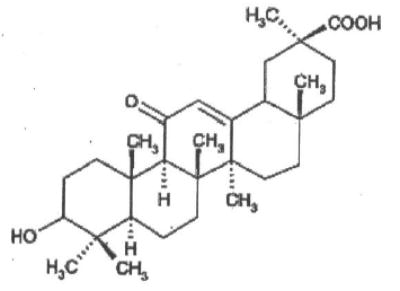
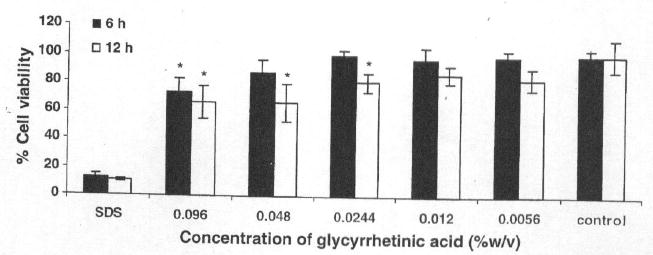
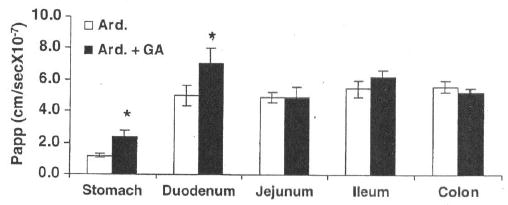
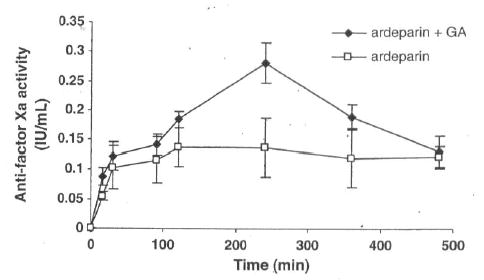
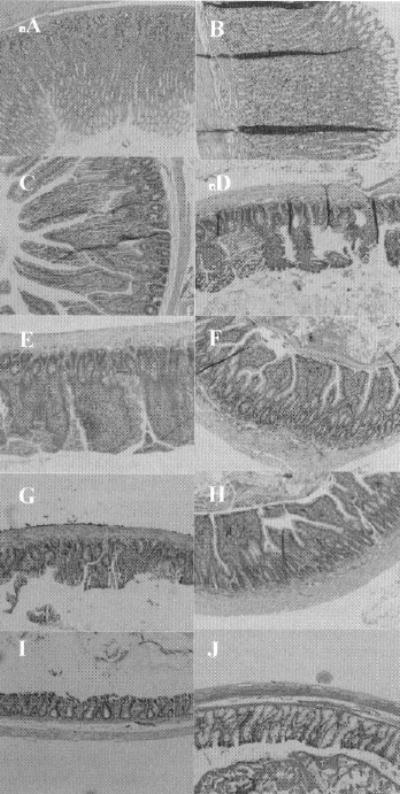
Low molecular weight heparin (LMWH) is the agent of choice for anticoagulant therapy and prophylaxis of thrombosis and coronary syndromes. However, its therapeutic use is limited due to poor oral bioavailability. The aim of this study was to investigate the oral delivery of LMWH, ardeparin formulated with 18-beta glycyrrhetinic acid (GA), as an alternative to currently used subcutaneous (sc) delivery. Drug transport through Caco-2 cell monolayers was monitored in the presence and absence of GA by scintillation counting and transepithelial electrical resistance. Regional permeability studies using rat intestine were performed using a modified Ussing chamber. Cell viability in the presence of various concentrations of enhancer was determined by MTT assay. The absorption of ardeparin after oral administration in rats was measured by an anti-factor Xa assay. Furthermore, the eventual mucosal epithelial damage was histologically evaluated. Higher ardeparin permeability (~7-fold) compared to control was observed in the presence of 0.02 % GA. Regional permeability studies indicated predominant absorption in the duodenal segment. Cell viability studies showed no significant cytotoxicity below 0.01 % GA. Ardeparin oral bioavailability was significantly increased (F(relative)/(S.C). = 13.3%) without causing any damage to the intestinal tissues. GA enhanced the oral absorption of ardeparin both in vitro and in vivo. The oral formulation of ardeparin with GA could be absorbed in the intestine. These results suggest that GA may be used as an absorption enhancer for the oral delivery of LMWH.
Figures
References
-
- Asada II, Douen T, Waki M, Adachi S, Fujita T, Yamamoto A, Muranishi S. Absorption characteristics of chemically modified-insulin derivatives with various fatty acids in the small and large intestine. J Pharm Sci. 1995;84:682–687. - PubMed
-
- Aungst BJ. Intestinal permeation enhancers. J Pharm Sci. 2000;89:429–442. - PubMed
-
- Bertini S, Bisio A, Torri G, Bensi D, Terbojevich M. Molecular weight determination of heparin and dermatan sulfate by size exclusion chromatography with a triple detector array. Biomacro-molecules. 2005;6:168–173. - PubMed
-
- Bianchini P, Bergonzini GL, Parma B, Osima B. Relationship between plasma antifactor Xa activity and the antithrombotic activity of heparins of different molecular mass. Haemostasis. 1905;25:288–298. - PubMed
-
- Breddin HK, Hach-Wunderle V, Nakov R, Kakkar W. Effects of a low-molecular-weight heparin on thrombus regression and recurrent thromboembolism in patients with deep-vein thrombosis. N Engl J Med. 2001;344:626–631. - PubMed
Grants and funding
LinkOut - more resources
Full Text Sources
Other Literature Sources
