


Domestication to crop improvement: genetic resources for Sorghum and Saccharum (Andropogoneae)
- PMID: 17766842
- PMCID: PMC2759214
- DOI: 10.1093/aob/mcm192
Domestication to crop improvement: genetic resources for Sorghum and Saccharum (Andropogoneae)
Abstract
Background: Both sorghum (Sorghum bicolor) and sugarcane (Saccharum officinarum) are members of the Andropogoneae tribe in the Poaceae and are each other's closest relatives amongst cultivated plants. Both are relatively recent domesticates and comparatively little of the genetic potential of these taxa and their wild relatives has been captured by breeding programmes to date. This review assesses the genetic gains made by plant breeders since domestication and the progress in the characterization of genetic resources and their utilization in crop improvement for these two related species.
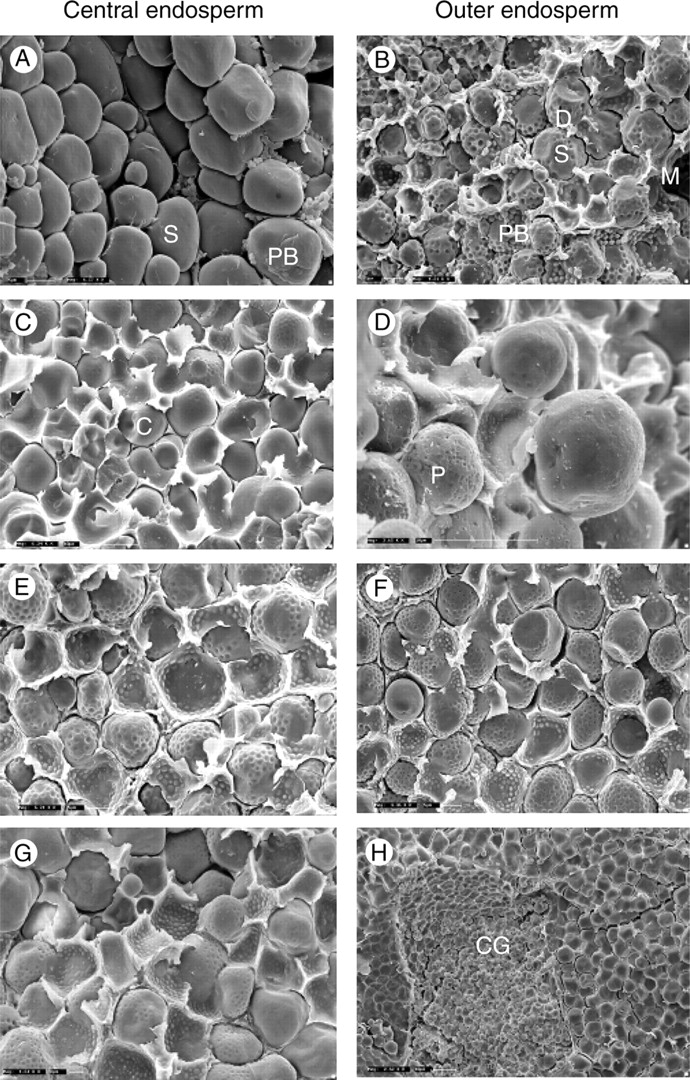
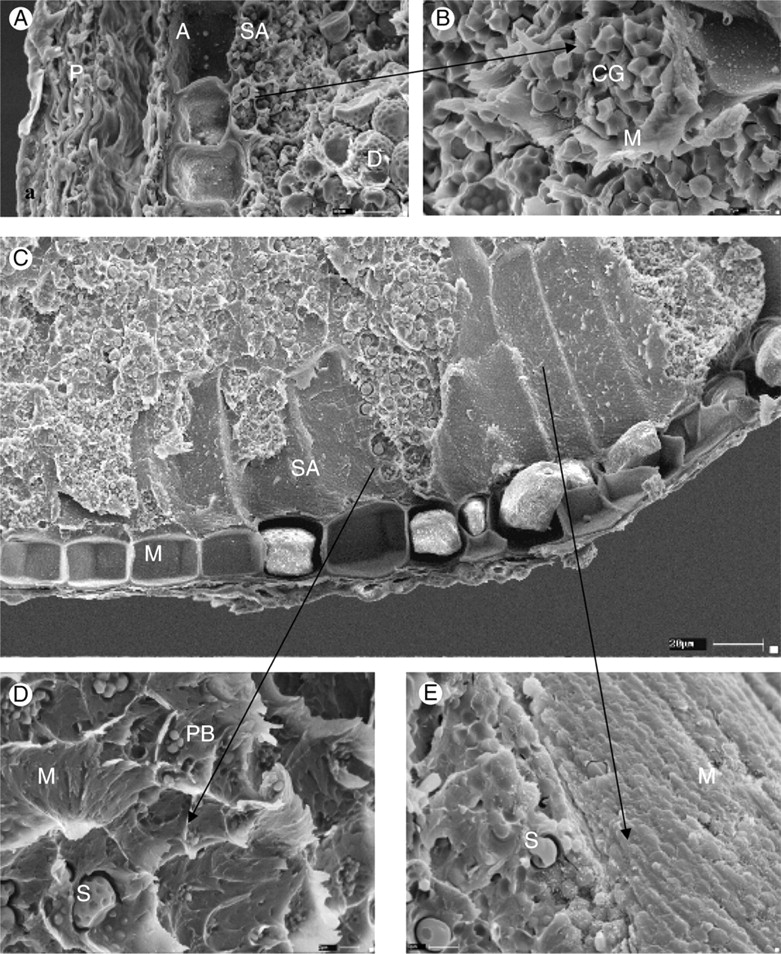
Genetic resources: The genome of sorghum has recently been sequenced providing a great boost to our knowledge of the evolution of grass genomes and the wealth of diversity within S. bicolor taxa. Molecular analysis of the Sorghum genus has identified close relatives of S. bicolor with novel traits, endosperm structure and composition that may be used to expand the cultivated gene pool. Mutant populations (including TILLING populations) provide a useful addition to genetic resources for this species. Sugarcane is a complex polyploid with a large and variable number of copies of each gene. The wild relatives of sugarcane represent a reservoir of genetic diversity for use in sugarcane improvement. Techniques for quantitative molecular analysis of gene or allele copy number in this genetically complex crop have been developed. SNP discovery and mapping in sugarcane has been advanced by the development of high-throughput techniques for ecoTILLING in sugarcane. Genetic linkage maps of the sugarcane genome are being improved for use in breeding selection. The improvement of both sorghum and sugarcane will be accelerated by the incorporation of more diverse germplasm into the domesticated gene pools using molecular tools and the improved knowledge of these genomes.
Figures
References
-
- Abu Assar AH, Uptmoor R, Abdelmula AA, Salih M, Ordon F, Friedt W. Genetic variation in sorghum germplasm from Sudan, ICRISAT, and USA assessed by simple sequence repeats (SSRs) Crop Science. 2005;45:1636–1644.
-
- Ahmadian A, Gharizadeh B, Gustafsson AC, Sterky F, Nyrén P, Uhlén M, et al. Single-nucleotide polymorphism analysis by pyrosequencing. Analytical Biochemistry. 2000;280:103–110. - PubMed
-
- Aitken K, Jackson P, Piperidis G, McIntyre L. QTL identified for yield components in a cross between a sugarcane (Saccharum spp.) cultivar Q165A and a S. officinarum clone IJ76-514. In: Fischer T, Turner N, Angus J, McIntyre L, Robertson M, Borrell A, et al., editors. Proceedings for the 4th International Crop Science Congress; 26 September to 1 October 2004; Brisbane, Australia. 2004. New directions for a diverse planet.
-
- Aitken KS, Jackson PA, McIntyre CL. A combination of AFLP and SSR markers provides extensive map coverage and identification of homo(eo)logous linkage groups in a sugarcane cultivar. Theoretical and Applied Genetics. 2005;110:789–801. - PubMed
Publication types
MeSH terms
LinkOut - more resources
Full Text Sources
Other Literature Sources
