


Cartilage link protein 1 (Crtl1), an extracellular matrix component playing an important role in heart development
- PMID: 17822691
- PMCID: PMC2254939
- DOI: 10.1016/j.ydbio.2007.07.041
Cartilage link protein 1 (Crtl1), an extracellular matrix component playing an important role in heart development
Abstract
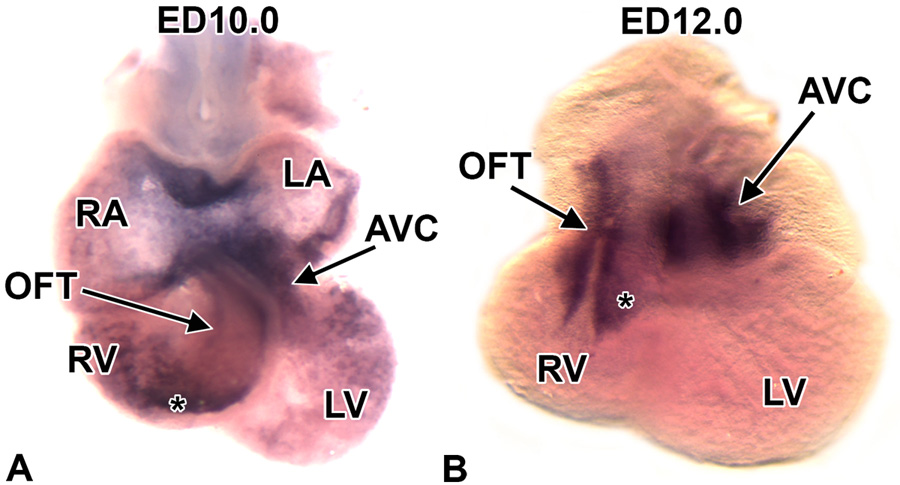
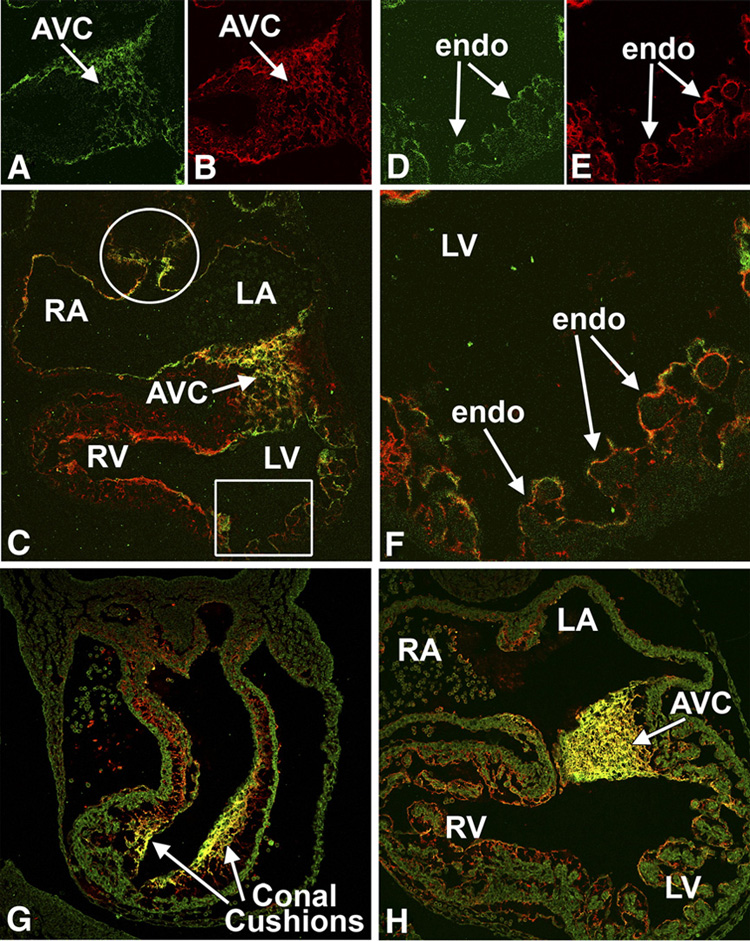
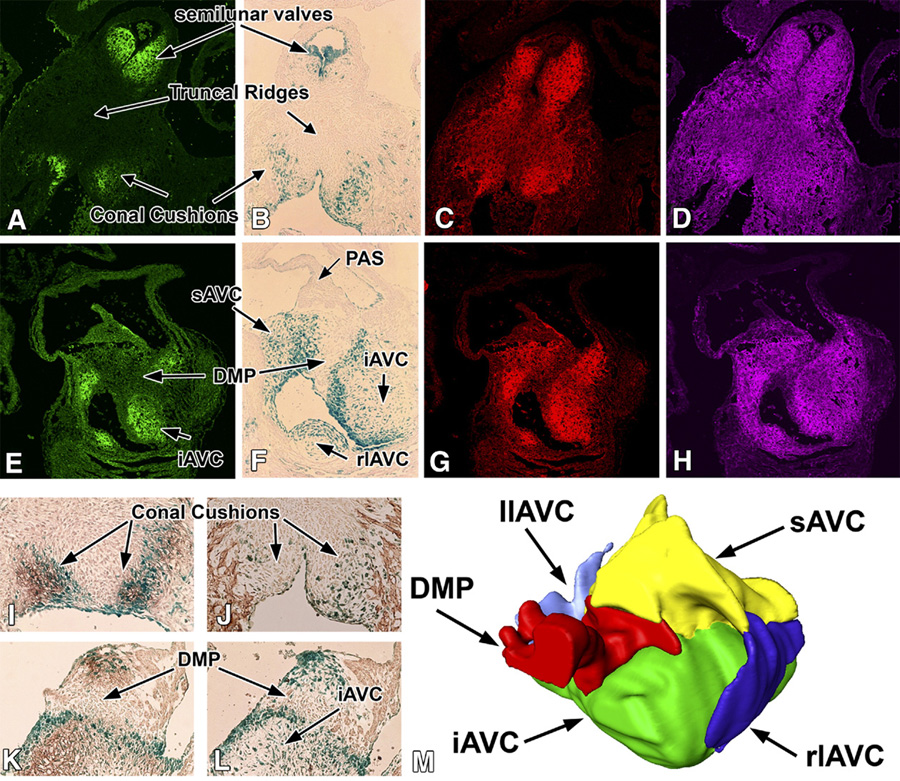
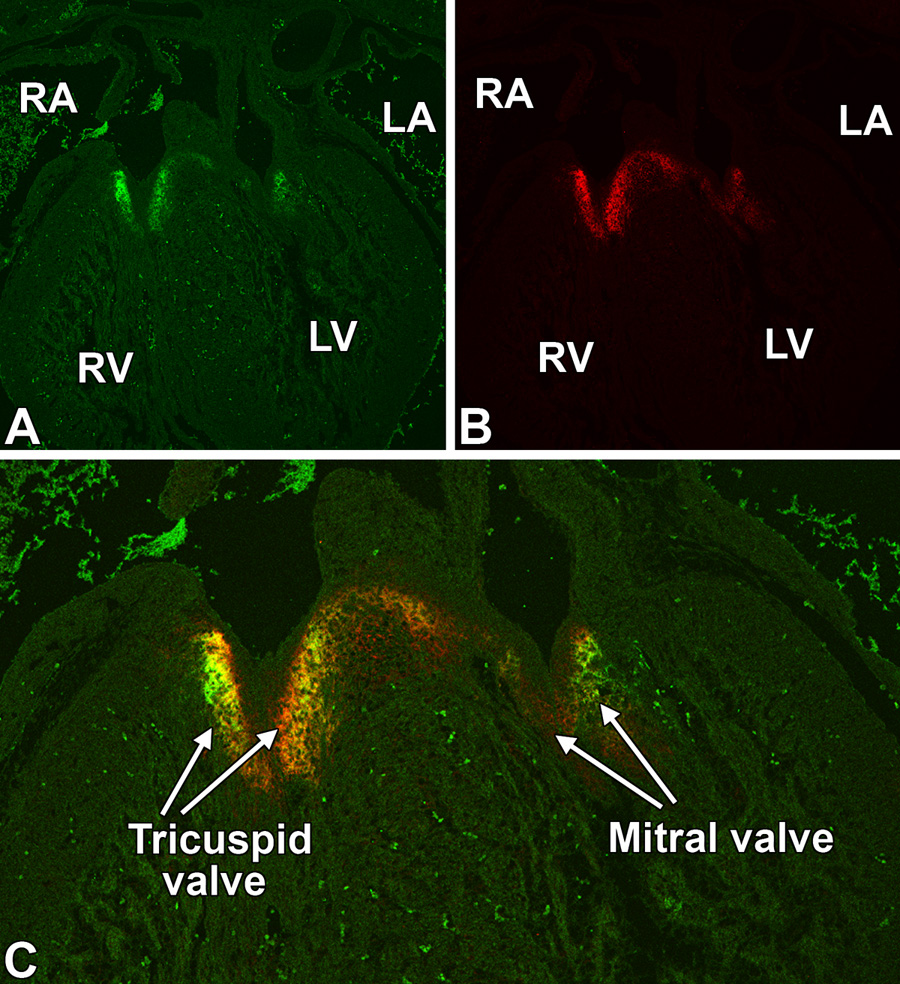
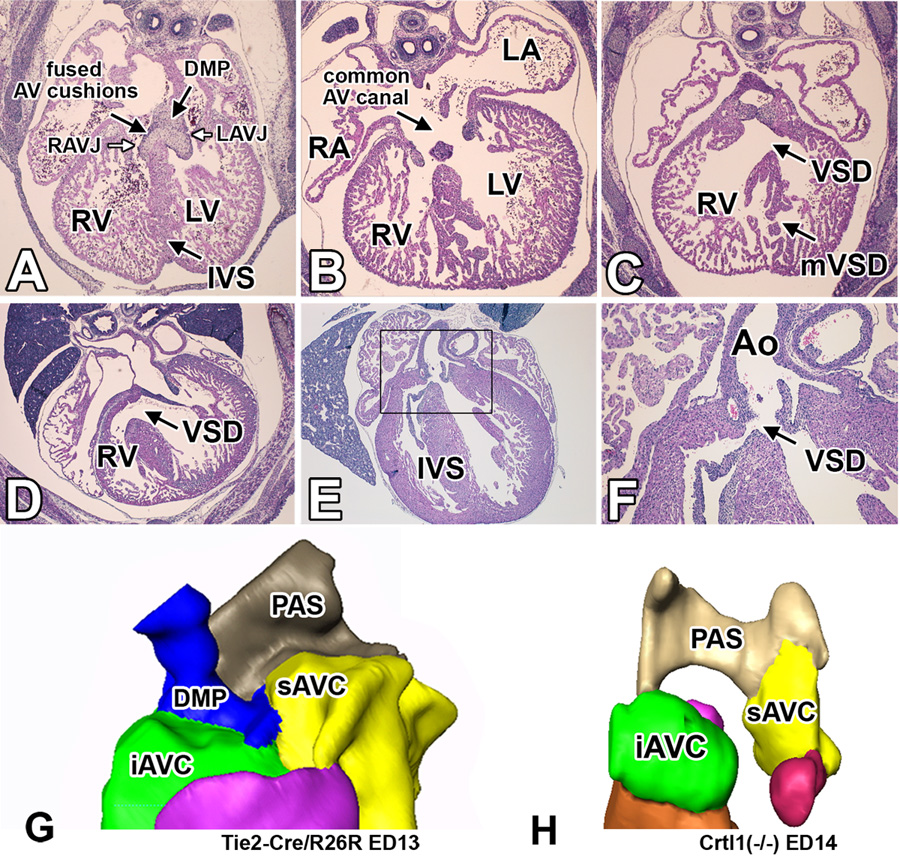
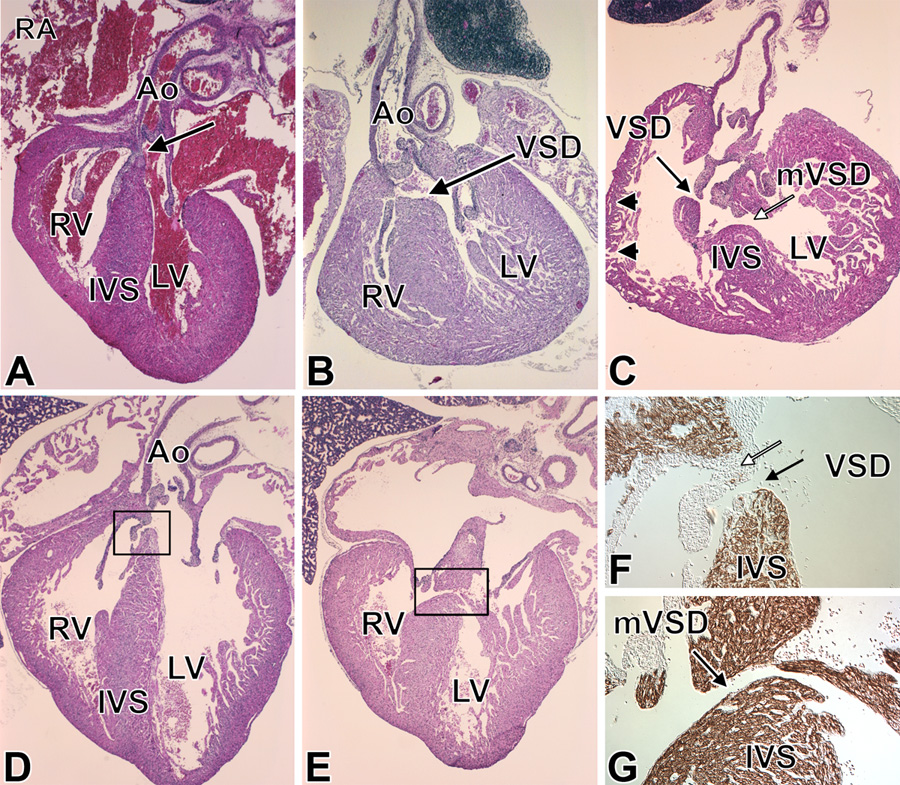
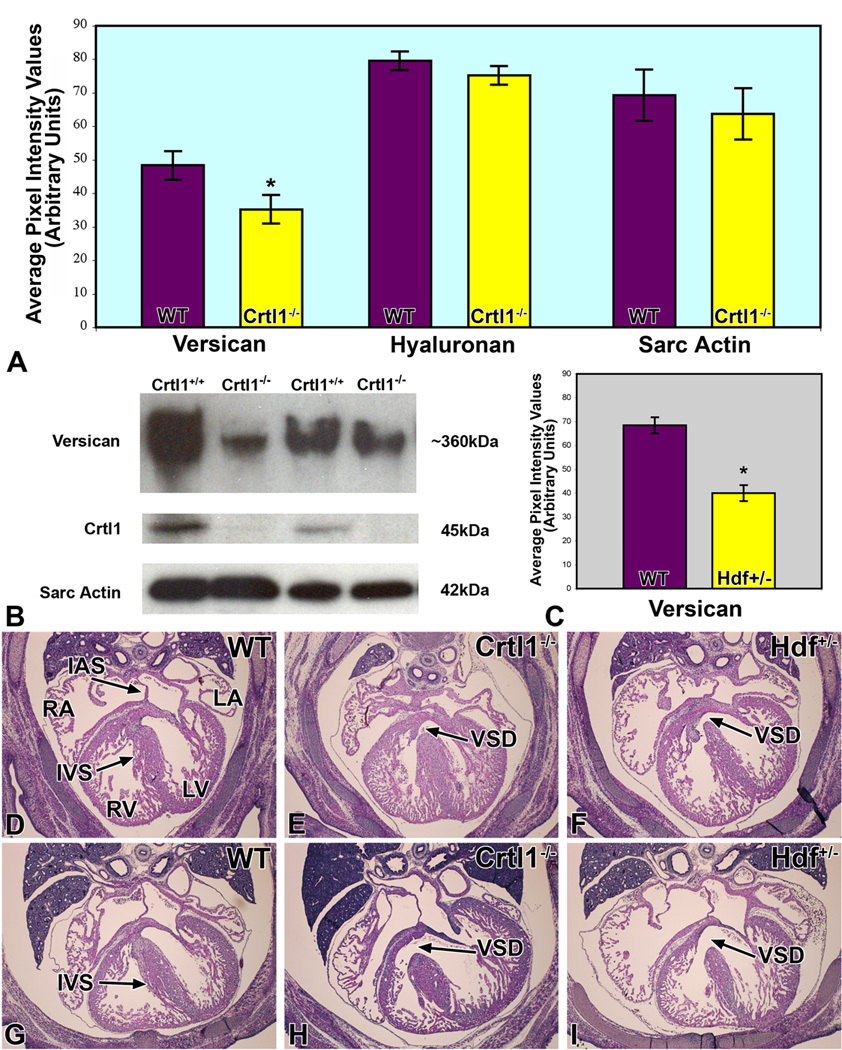
To expand our insight into cardiac development, a comparative DNA microarray analysis was performed using tissues from the atrioventricular junction (AVJ) and ventricular chambers of mouse hearts at embryonic day (ED) 10.5-11.0. This comparison revealed differential expression of approximately 200 genes, including cartilage link protein 1 (Crtl1). Crtl1 stabilizes the interaction between hyaluronan (HA) and versican, two extracellular matrix components essential for cardiac development. Immunohistochemical studies showed that, initially, Crtl1, versican, and HA are co-expressed in the endocardial lining of the heart, and in the endocardially derived mesenchyme of the AVJ and outflow tract (OFT). At later stages, this co-expression becomes restricted to discrete populations of endocardially derived mesenchyme. Histological analysis of the Crtl1-deficient mouse revealed a spectrum of cardiac malformations, including AV septal and myocardial defects, while expression studies showed a significant reduction in versican levels. Subsequent analysis of the hdf mouse, which carries an insertional mutation in the versican gene (CSPG2), demonstrated that haploinsufficient versican mice display septal defects resembling those seen in Crtl1(-/-) embryos, suggesting that reduced versican expression may contribute to a subset of the cardiac abnormalities observed in the Crtl1(-/-) mouse. Combined, these findings establish an important role for Crtl1 in heart development.
Conflict of interest statement
Figures

References
-
- Binette F, Cravens J, Kahoussi B, Haudenschild DR, Goetinck PF. Link protein is ubiquitously expressed in non-cartilaginous tissues where it enhances and stabilizes the interaction of proteoglycans with hyaluronic acid. J Biol Chem. 1994;269:19116–19122. - PubMed
-
- Bushdid PB, Osinska H, Waclaw RR, Molkentin JD, Yutzey KE. NFATc3 and NFATc4 are required for cardiac development and mitochondrial function. Circ Res. 2003;92:1305–1313. - PubMed
-
- Camenisch TD, Spicer AP, Brehm-Gibson T, Biesterfeldt J, Augustine ML, Calabro A, Jr, Kubalak S, Klewer SE, McDonald JA. Disruption of hyaluronan synthase-2 abrogates normal cardiac morphogenesis and hyaluronan-mediated transformation of epithelium to mesenchyme. J Clin Invest. 2000;106:349–360. - PMC - PubMed
-
- Campione M, Ros MA, Icardo JM, Piedra E, Christoffels VM, Schweickert A, Blum M, Franco D, Moorman AF. Pitx2 expression defines a left cardiac lineage of cells: evidence for atrial and ventricular molecular isomerism in the iv/iv mice. Dev Biol. 2001;231:252–264. - PubMed
-
- Caterson B, Baker JR, Christner JE, Lee Y, Lentz M. Monoclonal antibodies as probes for determining the microheterogeneity of the link proteins of cartilage proteoglycan. J Biol Chem. 1985;260:11348–11356. - PubMed
Publication types
MeSH terms
Substances
Grants and funding
LinkOut - more resources
Full Text Sources
Molecular Biology Databases
Research Materials
