


Soy isoflavones avert chronic inflammation-induced bone loss and vascular disease
- PMID: 17825101
- PMCID: PMC2034375
- DOI: 10.1186/1476-9255-4-17
Soy isoflavones avert chronic inflammation-induced bone loss and vascular disease
Abstract
Background: Evidence from epidemiological, clinical and animal studies suggests a link may exist between low bone density and cardiovascular disease, with inflammatory mediators implicated in the pathophysiology of both conditions. This project examined whether supplementation with soy isoflavones (IF), shown to have anti-inflammatory properties, could prevent tissue expression of TNF-alpha and the development of skeletal pathology in an animal model of chronic inflammation.
Methods: Eight-week old, intact, female C57BL/6J mice were used. In Phase 1, a lipopolysaccharide (LPS)-dose response study (0, 0.133, 1.33 and 13.3 mug/d) was conducted to determine the LPS dose to use in Phase 2. The results indicated the 1.33 mug LPS/d dose produced the greatest decrease in lymphocytes and increase in neutrophils. Subsequently, in Phase 2, mice were randomly assigned to one of six groups (n = 12-13 per group): 0 or 1.33 mug LPS/d (placebo or LPS) in combination with 0, 126 or 504 mg aglycone equivalents of soy IF/kg diet (Control, Low or High dose IF). Mice were fed IF beginning 2 wks prior to the 30-d LPS study period.
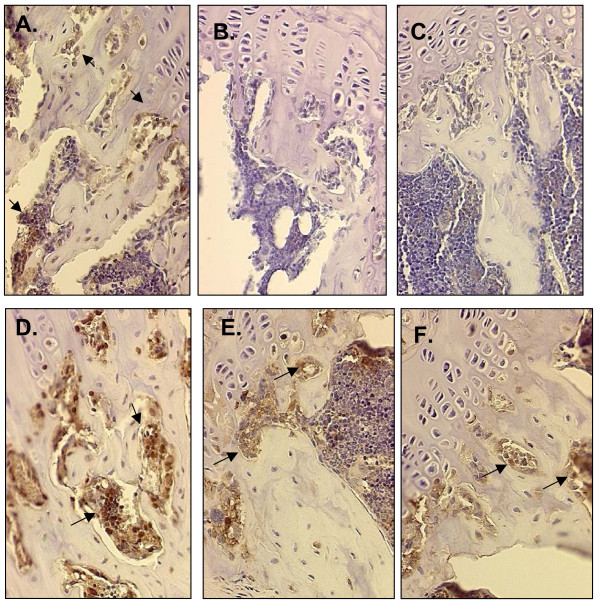
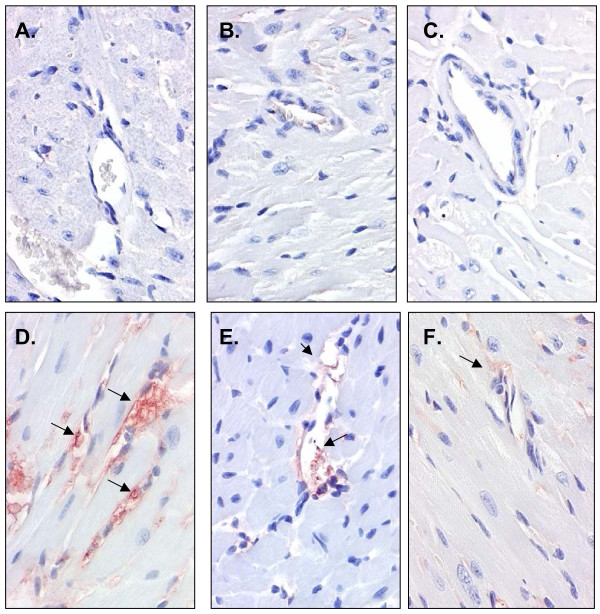
Results: At the end of the study, no differences were detected in final body weights or uterine weights. In terms of trabecular bone microarchitecture, muCT analyses of the distal femur metaphysis indicated that LPS significantly decreased trabecular bone volume (BV/TV) and number (TbN), and increased separation (TbSp). Trabecular bone strength (i.e. total force) and stiffness were also compromised in response to LPS. The High IF dose provided protection against these detrimental effects on microarchitecture, but not biomechanical properties. No alterations in trabecular thickness (TbTh), or cortical bone parameters were observed in response to the LPS or IF. Immunohistomchemical staining showed that tumor necrosis factor (TNF)-alpha was up-regulated by LPS in the endothelium of small myocardial arteries and arterioles as well as the tibial metaphysis and down-regulated by IF.
Conclusion: These results suggest IF may attenuate the negative effects of chronic inflammation on bone and cardiovascular health. Additional research is warranted to examine the anti-inflammatory properties of the soy isoflavones and the mechanisms underlying their prevention of chronic inflammation-induced bone loss.
Figures
References
-
- Hak AE, Pols HA, van Hemert AM, Hofman A, Witteman JC. Progression of aortic calcification is associated with metacarpal bone loss during menopause: a population-based longitudinal study. Arterioscler Thromb Vasc Biol. 2000;20:1926–1931. - PubMed
LinkOut - more resources
Full Text Sources
Miscellaneous
