


Detection of the pediocin gene pedA in strains from human faeces by real-time PCR and characterization of Pediococcus acidilactici UVA1
- PMID: 17850651
- PMCID: PMC2034554
- DOI: 10.1186/1472-6750-7-55
Detection of the pediocin gene pedA in strains from human faeces by real-time PCR and characterization of Pediococcus acidilactici UVA1
Abstract
Background: Bacteriocin-producing lactic acid bacteria are commonly used as natural protective cultures. Among them, strains of the genus Pediococcus are particularly interesting for their ability to produce pediocin, a broad spectrum antimicrobial peptide with a strong antagonistic activity against the food-borne pathogen Listeria monocytogenes. Furthermore, there is increasing interest in isolating new bacteriocin-producing strains of human intestinal origin that could be developed for probiotic effects and inhibition of pathogenic bacteria in the gut. In this work, we typed a new strain, co-isolated from baby faeces together with a Bifidobacterium thermophilum strain, and characterized its proteinaceous compound with strong antilisterial activity.
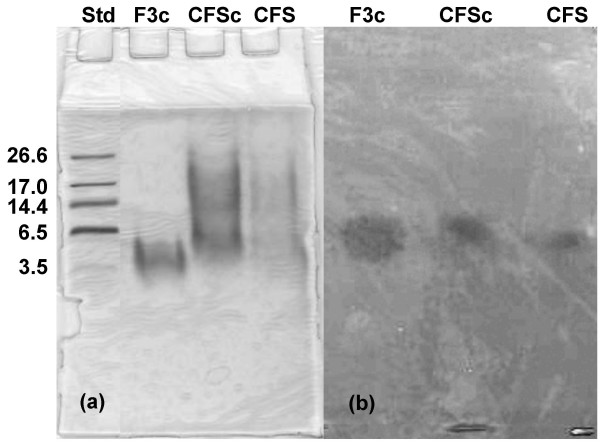
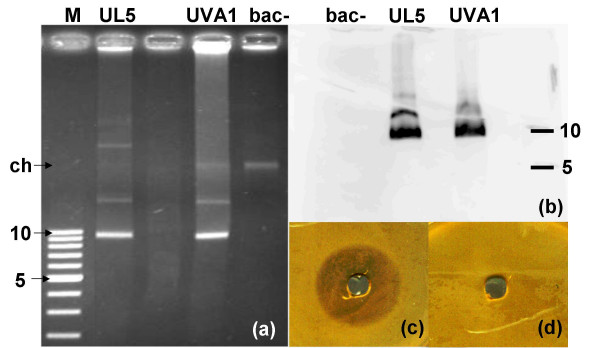
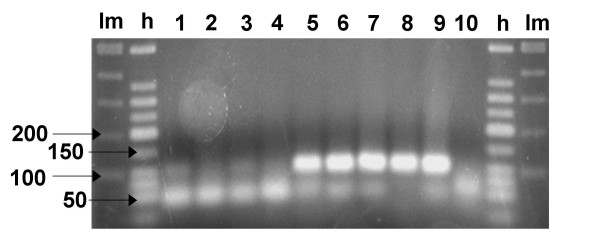
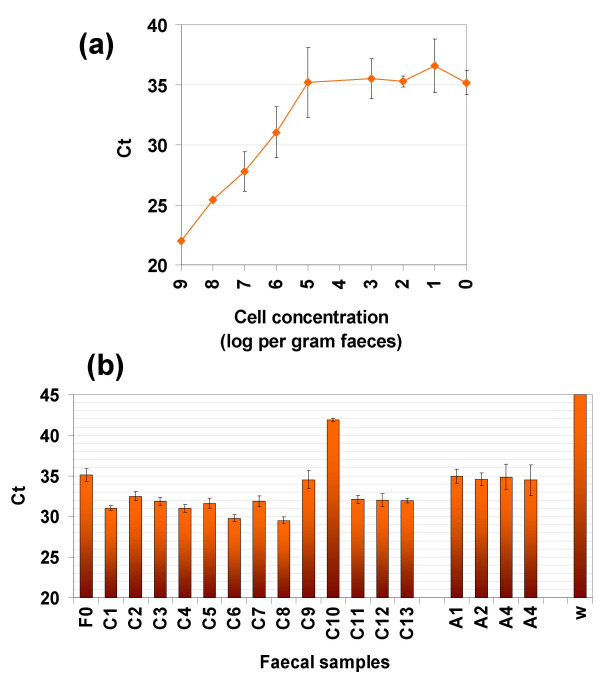
Results: The newly isolated strain UVA1 was identified as a Pediococcus acidilactici by carbohydrate fermentation profile, growth at 50 degrees C and 16S rDNA sequencing. The partially purified bacteriocin was heat resistant up to 100 degrees C, active over a wide range of pH (2 to 9) and susceptible to proteolytic enzymes. The molecular weight, estimated by SDS-PAGE, was similar to that of pediocin AcH/PA-1 (4.5 kDa). P. acidilactici UVA1 harboured a 9.5-kb plasmid that could be cured easily, which resulted in the loss of the antimicrobial activity. Southern hybridization using the DIG-labelled pedA-probe established that the bacteriocin gene was plasmid-borne as for all pediocin described so far. Nucleotide sequence of the whole operon (3.5 kb) showed almost 100 % similarity to the pediocin AcH/PA-1 operon. The mRNA transcript for pedA could be detected in P. acidilactici UVA1 but not in the cured derivative, confirming the expression of the pedA-gene in UVA1. Using a new real-time PCR assay, eleven out of seventeen human faecal samples tested were found to contain pedA-DNA.
Conclusion: We identified and characterised the first pediocin produced by a human intestinal Pediococcus acidilactici isolate and successfully developed a new real-time PCR assay to show the large distribution of pedA-containing strains in baby faecal samples.
Figures
References
-
- Devlieghere F, Vermeiren L, Debevere J. New preservation technologies: Possibilities and limitations. Int Dairy J. 2004;14:273–285. doi: 10.1016/j.idairyj.2003.07.002. - DOI
Publication types
MeSH terms
Substances
LinkOut - more resources
Full Text Sources
Other Literature Sources
Medical
Molecular Biology Databases
