


Complications in patients with spinal cord injuries sustained in an earthquake in Northern Pakistan
- PMID: 17853661
- PMCID: PMC2031937
- DOI: 10.1080/10790268.2007.11753955
Complications in patients with spinal cord injuries sustained in an earthquake in Northern Pakistan
Abstract
Background: Spinal cord injury (SCI) is a devastating trauma suffered by many of the victims of an earthquake that struck Northern Pakistan on October 8, 2005. It rendered approximately 600 patients paraplegic, which is the highest number ever reported in any disaster. This study was conducted to evaluate the risk of complications.
Methods: The cross-sectional retrospective study covering a 2-month period was conducted on 194 patients admitted to the surgical/neurosurgical wards of Rawalpindi Medical College and allied hospitals (Holy Family Hospital, Rawalpindi General Hospital, and District Headquarter Hospital) and Melody Relief and Rehabilitation Center, Islamabad.
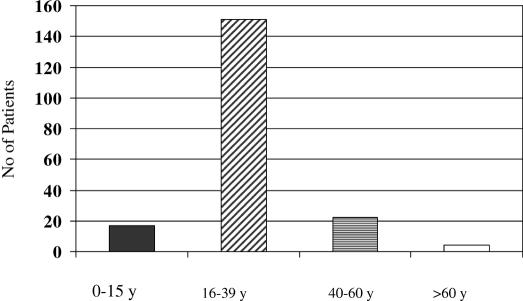
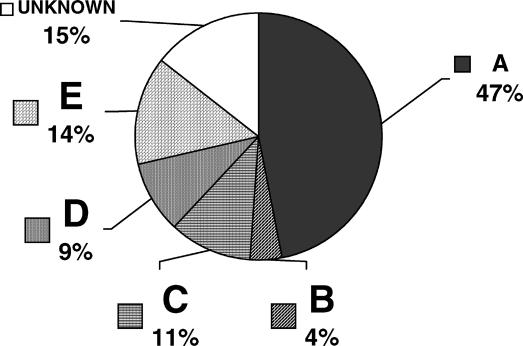
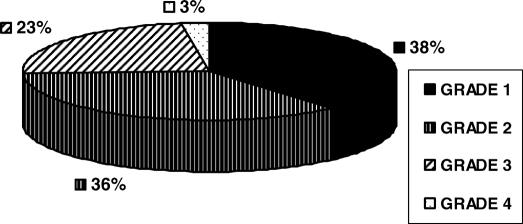
Results: The male-to-female ratio was approximately 1:3 (n = 50 [26%] and n = 144 [74%], respectively). The majority (78% [n = 151]) were 16 to 39 years of age; 62% (n = 120) had lumbar-level injuries, 25% (n = 48) had thoracic-level injuries, 9% (n = 18) had thoracolumbar-level injuries, and a few had cervical- or sacral-level injuries. Forty-six percent (n = 90) had American Spinal Injury Association type A injuries; 4% (n = 8) were graded B, 11% (n = 21) were graded C, 9% (n = 18) were graded D, and 14% (n = 27) were graded E. Twenty percent (n = 39) developed pressure ulcers, of which 38% (n = 15) had grade 1, 36% (n = 14) had grade 2, 23% (n = 9) had grade 3, and 3% (n = 1) had grade 4. All patients developed urinary tract infections; 15% (n = 30) had bowel complaints; 2% (n = 3) developed deep-vein thrombosis (1 died of pulmonary embolism); and 0.05% (n = 1) developed wound infection.
Conclusion: Awareness of potential complications in patients with paraplegia is essential to care planning in the disaster setting. The priorities include skin, bowel, and bladder care and provision of prophylactic heparin. SCI post-disaster care requires comprehensive long-term planning.
Figures
Comment in
-
Spinal cord injuries as a result of earthquakes: lessons from Iran and Pakistan.J Spinal Cord Med. 2007;30(4):367-8. doi: 10.1080/10790268.2007.11753953. J Spinal Cord Med. 2007. PMID: 17853659 Free PMC article. No abstract available.
-
Re: complications in patients with spinal cord injuries sustained in an earthquake in northern Pakistan.J Spinal Cord Med. 2008;31(1):118; author reply 118. J Spinal Cord Med. 2008. PMID: 18533423 Free PMC article. No abstract available.
References
-
- Rawalpindi Medical College Allied hospitals. Available at http://www.rmc.edu.pk/allied_hospitals/. Accessed December 10, 2005.
-
- Naveed A. No special facilities for earthquake victims. THE NEWS. Islamabad edition 2005. December 19.
-
- National Pressure Ulcer Advisory Panel NPUAP Staging Report, November 2003. Available at http://www.npuap.org. Accessed January 4, 2007.
-
- Spinal Injuries Ireland The spine. Available at http://www.siairl.org/spinal/Main/The%20Spine.htm. Accessed December 15, 2005.
-
- Cardenas DD, Hooton TM. Urinary tract infection in persons with spinal cord injury. Arch Phys Med Rehabil. 1995;76(3):272–280. - PubMed
Publication types
MeSH terms
LinkOut - more resources
Full Text Sources
Medical
