


Locally applied Simvastatin improves fracture healing in mice
- PMID: 17897477
- PMCID: PMC2200653
- DOI: 10.1186/1471-2474-8-98
Locally applied Simvastatin improves fracture healing in mice
Abstract
Background: HMG-CoA reductase inhibitors, statins, are widely prescribed to lower cholesterol. High doses of orally administered simvastatin has previously been shown to improve fracture healing in a mouse femur fracture model. In this study, simvastatin was administered either subcutaneously or directly to the fracture area, with the goal of stimulating fracture repair at acceptable doses.
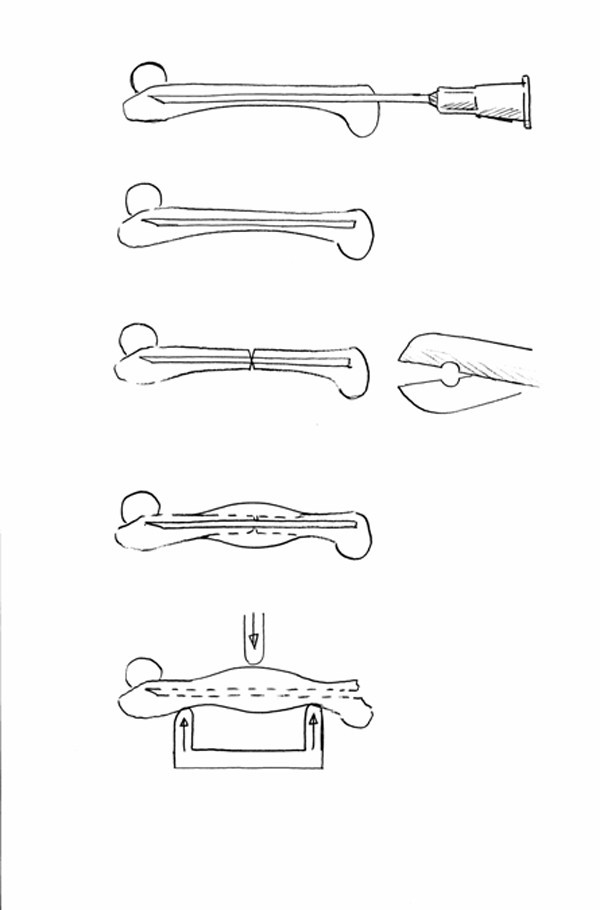
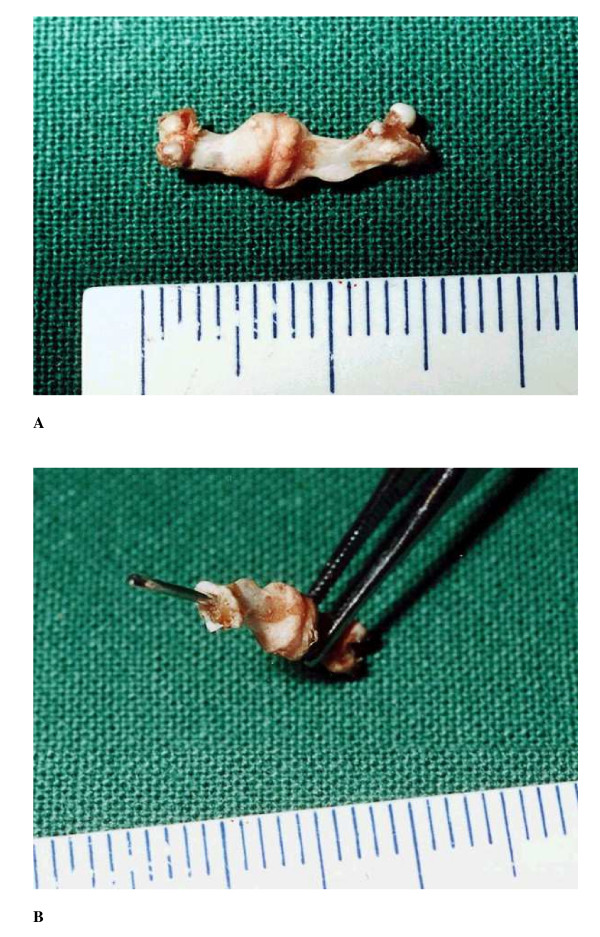
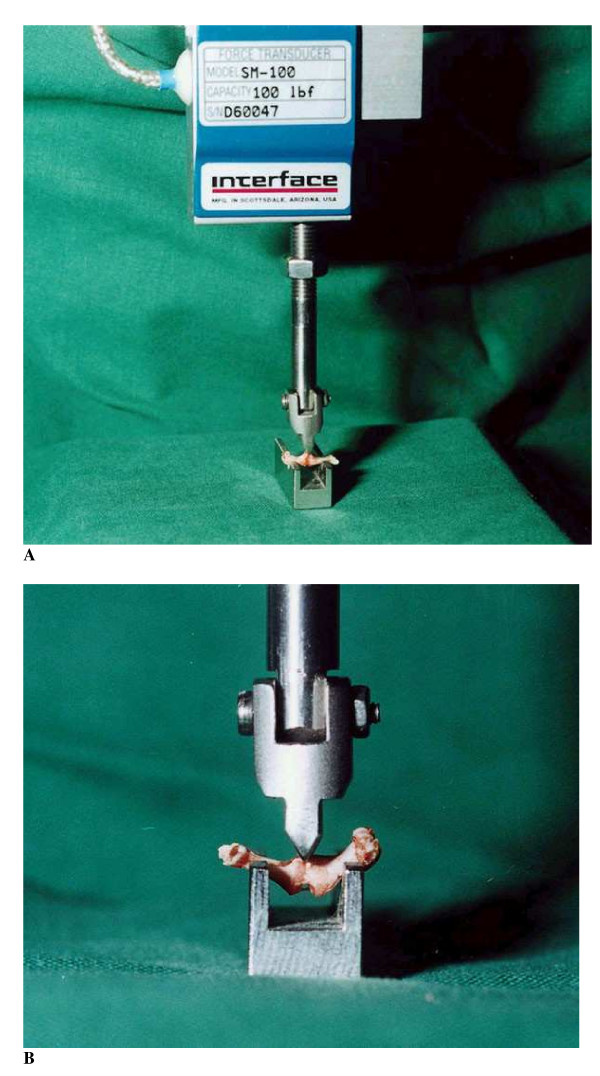
Methods: Femur fractures were produced in 70 mature male Balb-C mice and stabilized with marrow-nailing. Three experiments were performed. Firstly, 20 mice received subcutaneous injections of either simvastatin (20 mg) or vehicle. Secondly, 30 mice were divided into three groups of 10 mice receiving continuous subcutaneous delivery of the vehicle substance, the vehicle with 5 mg or with 10 mg of simvastatin per kg bodyweight per day. Finally, in 20 mice, a silicone tube was led from an osmotic mini-pump to the fracture area. In this way, 10 mice received an approximate local dose of simvastatin of 0.1 mg per kg per day for the duration of the experiment and 10 mice received the vehicle compound. All treatments lasted until the end of the experiment. Bilateral femurs were harvested 14 days post-operative. Biomechanical tests were performed by way of three-point bending. Data was analysed with ANOVA, Scheffé's post-hoc test and Student's unpaired t-test.
Results: With daily simvastatin injections, no effects could be demonstrated for any of the parameters examined. Continuous systemic delivery resulted in a 160% larger force at failure. Continuous local delivery of simvastatin resulted in a 170% larger force at failure as well as a twofold larger energy uptake.
Conclusion: This study found a dramatic positive effect on biomechanical parameters of fracture healing by simvastatin treatment directly applied to the fracture area.
Figures
References
Publication types
MeSH terms
Substances
LinkOut - more resources
Full Text Sources
Medical
