


Pancreatic intraductal papillary-mucinous neoplasms: a new and evolving entity
- PMID: 17899180
- PMCID: PMC2063564
- DOI: 10.1007/s00428-007-0512-6
Pancreatic intraductal papillary-mucinous neoplasms: a new and evolving entity
Abstract
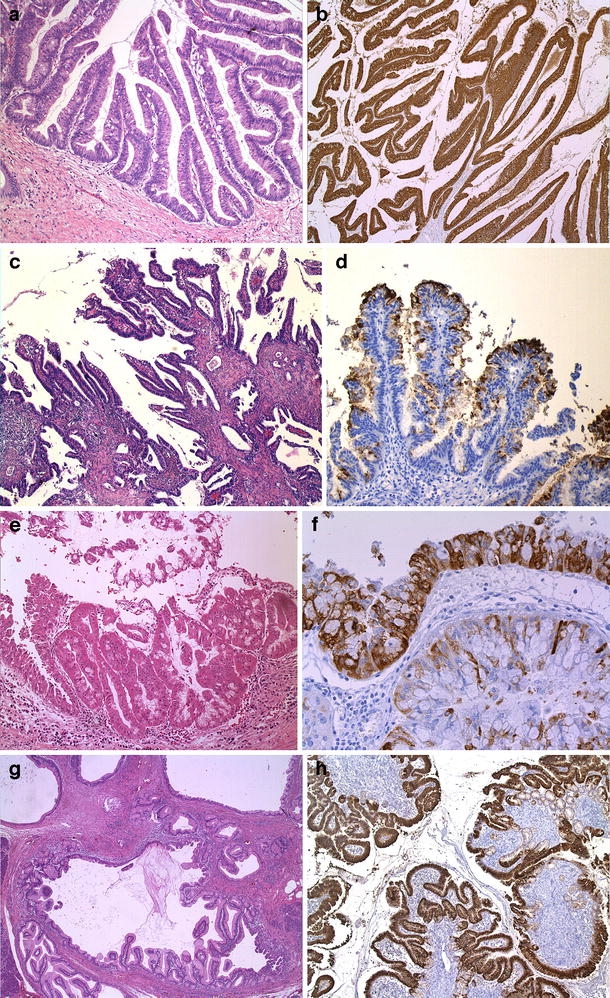
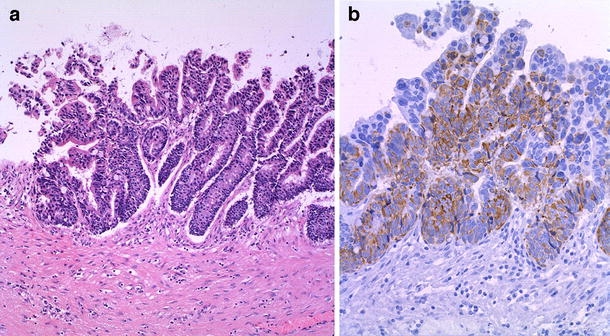
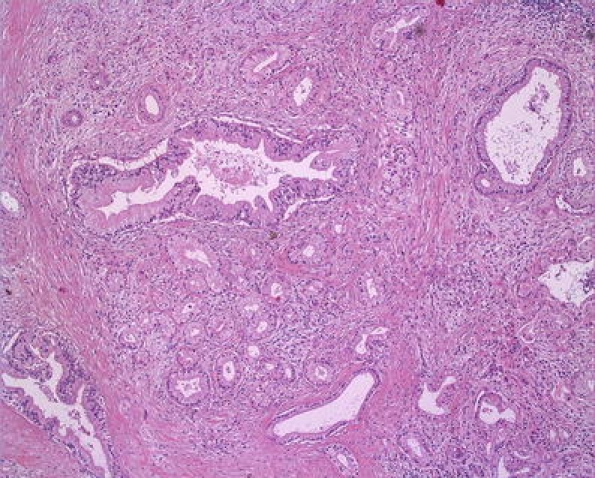
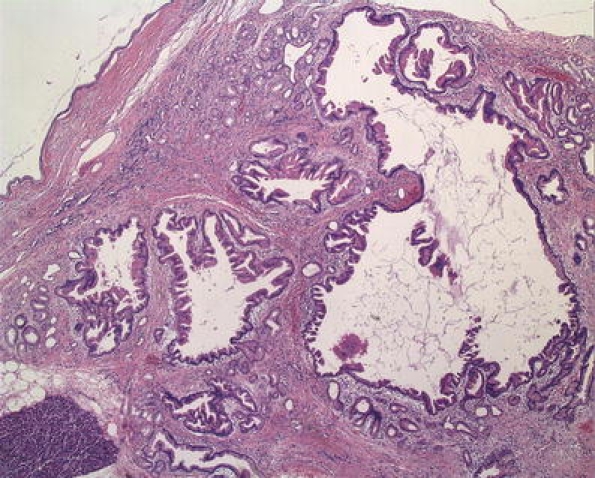
For a long time, intraductal tumors of the pancreas were neglected because they were misdiagnosed as mucinous cystadenocarcinoma, ordinary ductal adenocarcinoma, or chronic pancreatitis. Only in recent years have they been recognized as clinical and pathological entities. Most common are the intraductal papillary-mucinous neoplasms. Although they show an adenoma-carcinoma sequence, they have proved to have a more favorable prognosis than ductal adenocarcinoma, when resected in a preinvasive state. Recently, it has become clear that they constitute a heterogeneous group with at least four subtypes. Their stratification reveals that the various intraductal papillary-mucinous neoplasm subtypes have different biological properties with different prognostic implications.
Figures
References
-
- Adsay NV, Merati K, Basturk O, Iacobuzio-Donahue C, Levi E, Cheng JD, Sarkar FH, Hruban RH, Klimstra DS (2004) Pathologically and biologically distinct types of epithelium in intraductal papillary mucinous neoplasms. Delineation of an “intestinal” pathway of carcinogenesis in the pancreas. Am J Surg Pathol 28:839–848 - DOI - PubMed
Publication types
MeSH terms
LinkOut - more resources
Full Text Sources
Other Literature Sources
Medical
