


Prevalence of AmpC and other beta-lactamases in enterobacteria at a large urban university hospital in Brazil
- PMID: 17900845
- PMCID: PMC2894158
- DOI: 10.1016/j.diagmicrobio.2007.07.018
Prevalence of AmpC and other beta-lactamases in enterobacteria at a large urban university hospital in Brazil
Abstract
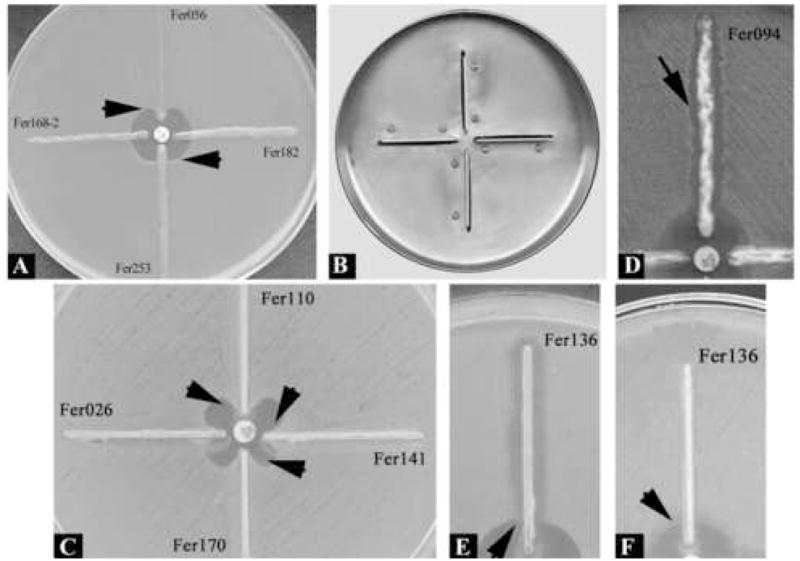
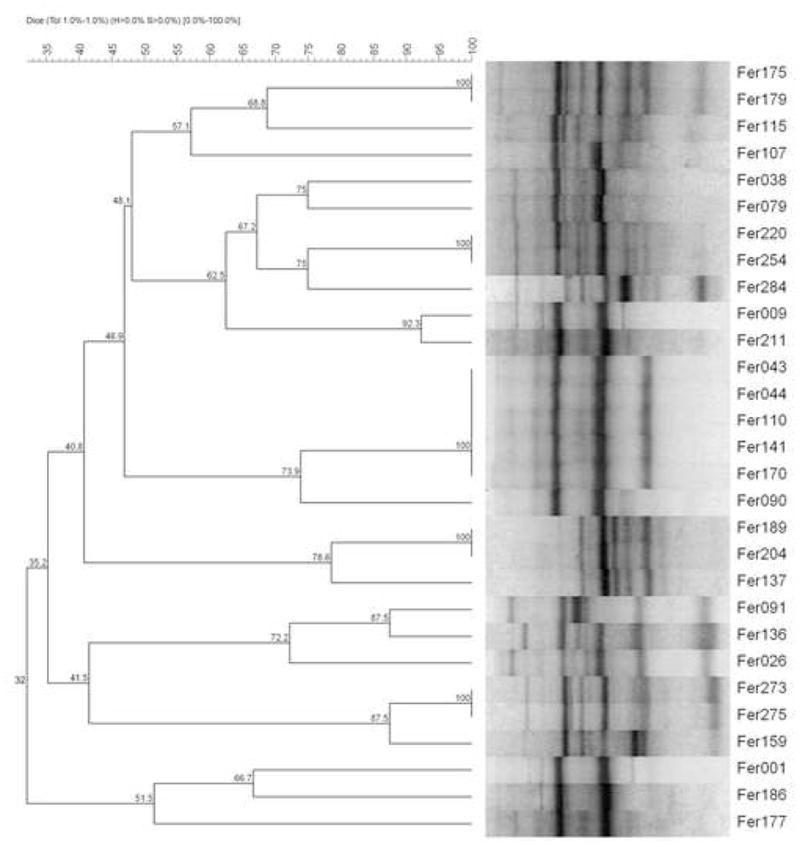
Production of extended-spectrum beta-lactamases (ESBLs) has been reported in virtually all species of Enterobacteriaceae, which greatly complicates the therapy for infections caused by these organisms. However, the frequency of isolates producing AmpC beta-lactamases, especially plasmid-mediated AmpC (pAmpC), is largely unknown. These beta-lactamases confer resistance to extended-spectrum cephalosporins and aztreonam, a multidrug-resistant (MDR) profile. The aim of the present study was to determine the occurrence of ESBL and pAmpC beta-lactamases in a hospital where MDR enterobacterial isolates recently emerged. A total of 123 consecutive enterobacterial isolates obtained from 112 patients at a university hospital in Rio de Janeiro, Brazil, during March to June 2001 were included in the study. ESBL was detected by the addition of clavulanate to cephalosporin containing disks and by double diffusion. AmpC production was evaluated by a modified tridimensional test and a modified Hodge test. The presence of plasmid-mediated ampC beta-lactamase genes was evaluated by multiplex polymerase chain reaction. Sixty-five (53%) of 123 enterobacterial isolates were MDR obtained from 56 patients. ESBL production was detected in 35 isolates; 5 clonal Escherichia coli isolates exhibited high levels of chromosomal AmpC and ESBL production. However, no isolates contained pAmpC genes. Infection or colonization by MDR enterobacteria was not associated with any predominant resistant clones. A large proportion of hospital infections caused by ESBL-producing enterobacteria identified during the study period were due to sporadic infections rather than undetected outbreaks. This observation emphasizes the need to improve our detection methods for ESBL- and AmpC-producing organisms in hospitals where extended-spectrum cephalosporins are in wide use.
Figures
References
-
- Babini GS, Livermore DM. Antimicrobial resistance amongst Klebsiella spp. Collected from intensive care unit in Southern and Western Europe in 1997–1998. J Antimicrob Chemother. 2000;42:183–189. - PubMed
-
- Bell JM, Turnidge JD, Gales AC, Pfaller MA, Jones RN. Prevalence of extended spectrum beta-lactamase (ESBL)-producing clinical isolates in the Asia-Pacific region and South Africa: Regional results from SENTRY Antimicrobial Surveillance Program (1998–99) Diagn Microbiol Infect Dis. 2002;42:193–198. - PubMed
-
- Ben Redjeb S, Ben Yaghlane H, Boujnah A, Philippon A, Labia R. Synergy between clavulanic acid and newer beta-lactams on nine clinical isolates of Klebsiella pneumoniae, Escherichia coli and Salmonella typhimurium resistant to third generation cephalosporins. J Antimicrob Chemother. 1988;21:263–266. - PubMed
Publication types
MeSH terms
Substances
Grants and funding
LinkOut - more resources
Full Text Sources
