


Self-efficacy for managing pain, symptoms, and function in patients with lung cancer and their informal caregivers: associations with symptoms and distress
- PMID: 17942229
- PMCID: PMC2522367
- DOI: 10.1016/j.pain.2007.09.010
Self-efficacy for managing pain, symptoms, and function in patients with lung cancer and their informal caregivers: associations with symptoms and distress
Abstract
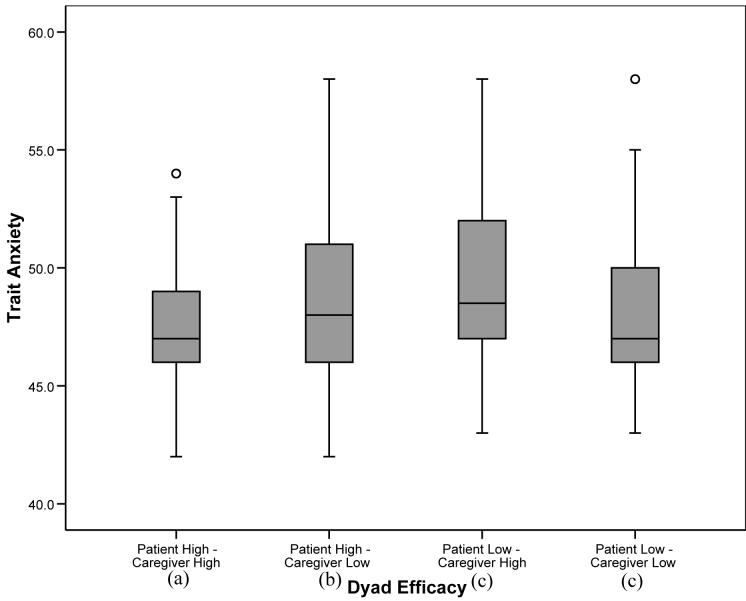
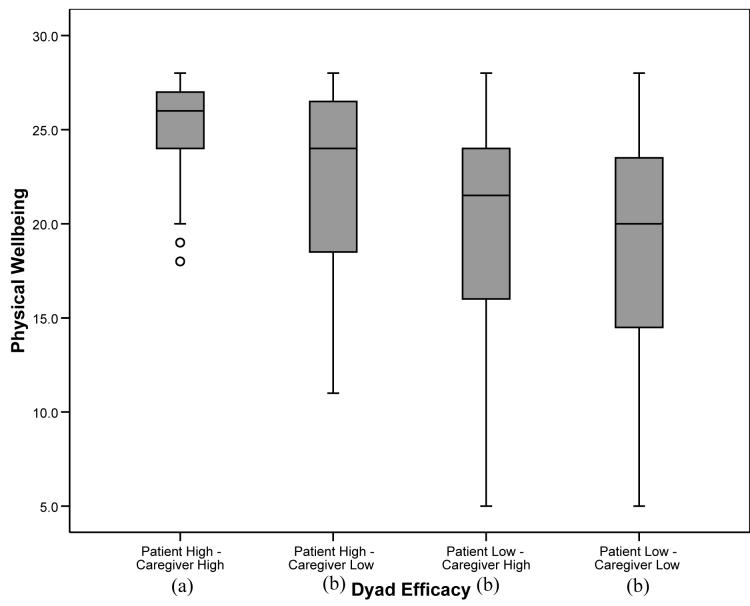
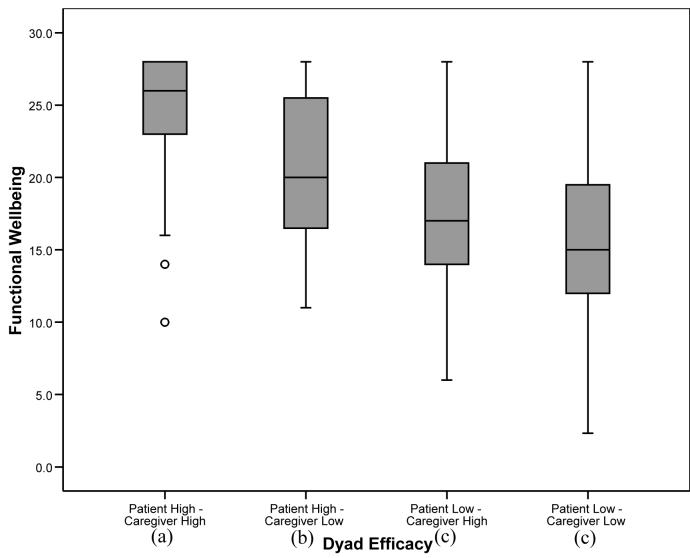
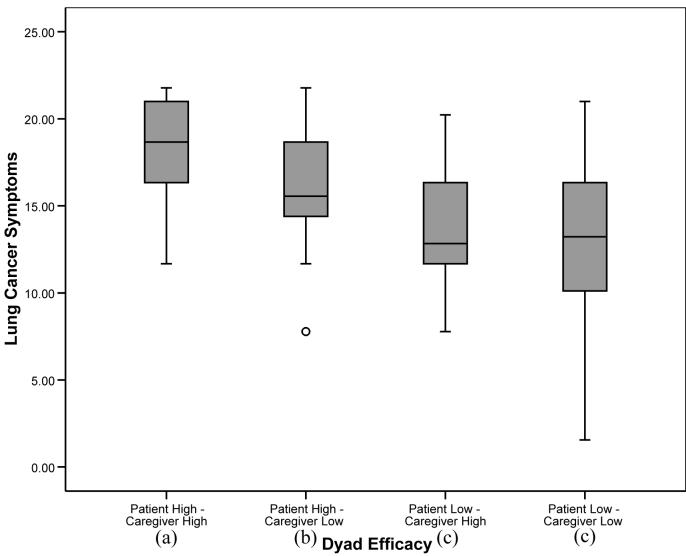
This study examined self-efficacy for managing pain, symptoms, and function in patients with lung cancer and their caregivers, and associations between self-efficacy and patient and caregiver adjustment. One hundred and fifty-two patients with early stage lung cancer completed measures of self-efficacy, pain, fatigue, quality of life, depression, and anxiety. Their caregivers completed a measure assessing their self-efficacy for helping the patient manage symptoms and measures of psychological distress and caregiver strain. Analyses indicated that, overall, patients and caregivers were relatively low in self-efficacy for managing pain, symptoms, and function, and that there were significant associations between self-efficacy and adjustment. Patients low in self-efficacy reported significantly higher levels of pain, fatigue, lung cancer symptoms, depression, and anxiety, and significantly worse physical and functional well being, as did patients whose caregivers were low in self-efficacy. When patients and caregivers both had low self-efficacy, patients reported higher levels of anxiety and poorer quality of life than when both were high in self-efficacy. There were also significant associations between patient and caregiver self-efficacy and caregiver adjustment, with lower levels of self-efficacy associated with higher levels of caregiver strain and psychological distress. These preliminary findings raise the possibility that patient and caregiver self-efficacy for managing pain, symptoms, and function may be important factors affecting adjustment, and that interventions targeted at increasing self-efficacy may be useful in this population.
Figures
References
-
- Affleck G, Tennen H, Pfeiffer C, Fifel J. Appraisals of control and predictability in adapting to a chronic diseases. J Pers Soc Psychol. 1988;53:273–279. - PubMed
-
- Akechi T, Kugaya A, Okamura H, Nishiwaki Y, Yamawaki S, Uchitomi Y. Predictice factors for psychological distress in ambulatory lung cancer patients. Support Care Cancer. 1998;6(3):281–6. - PubMed
-
- American Cancer Society . Cancer Facts and Figures 2006. American Cancer Society; Atlanta: 2006.
-
- Anderson KO, Dowds BN, Pelletz RE, Edwards WT, Peeters-Asdourian C. Development and initial validation of a scale to measure self-efficacy beliefs in patients with chronic pain. Pain. 1995;63:77–84. - PubMed
-
- Bandura A. Self-efficacy: The exercise of control. W.H. Freeman; New York: 1997.
