


Supporting hospital doctors in the Middle East by email telemedicine: something the industrialized world can do to help
- PMID: 17951214
- PMCID: PMC2223186
- DOI: 10.2196/jmir.9.4.e30
Supporting hospital doctors in the Middle East by email telemedicine: something the industrialized world can do to help
Abstract
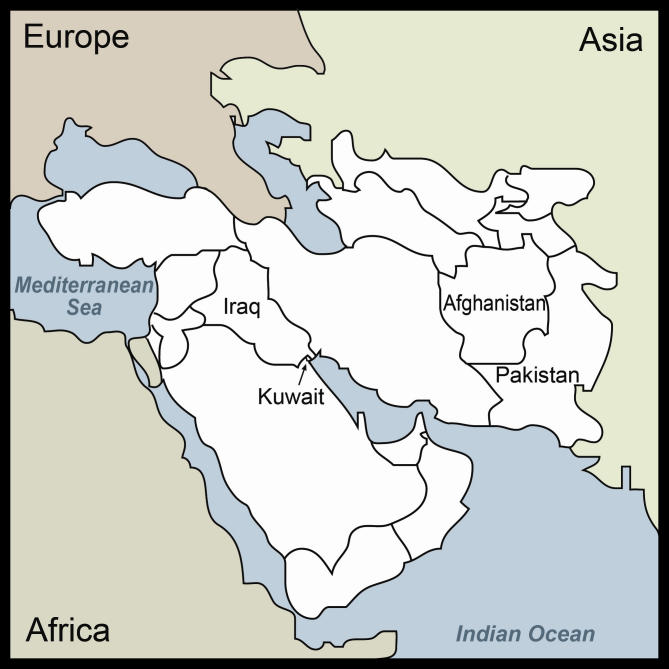
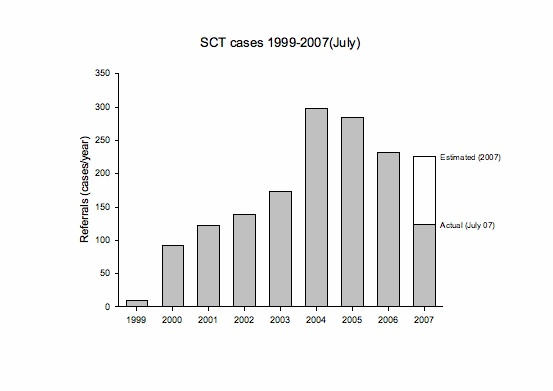
Background: Since 1999, the Swinfen Charitable Trust has operated an email referral system between doctors in the developing world and specialists in the industrialized world. Since 2001, it has expanded its operation into the Middle East, in particular Iraq, an area of considerable conflict.
Objectives: The aim was to compare referral patterns to the Trust from the Middle East with those received from the rest of the developing world and to look for qualitative evidence of health gain.
Methods: We analyzed referrals to the Swinfen Charitable Trust between July 2004 and June 2007 and compared these by speciality with those received from elsewhere during the same 3-year period. We asked two referring doctors for their views of the process, and we analyzed the total Middle Eastern referrals made to a single specialty (neurology).
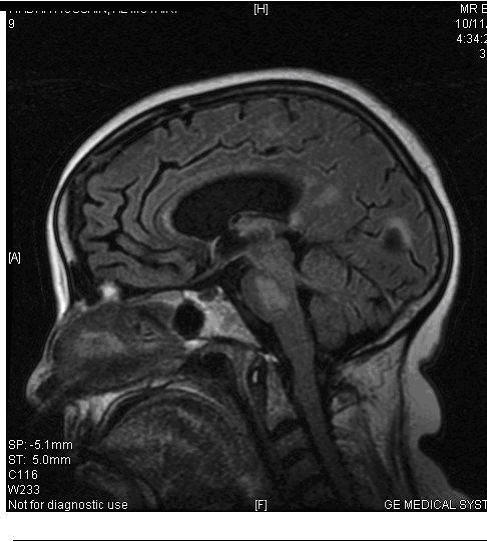
Results: Between July 2004 and June 2007, 283 referrals were received from four countries in the Middle East (Iraq, Afghanistan, Pakistan, Kuwait) and 500 cases were received from 22 other countries. The 283 cases resulted in 522 separate queries to specialists. The median time to specialist reply for the queries relating to the 283 Middle Eastern cases was 24.3 hours (interquartile range 6.1-63.3). There was a significant difference in case mix between the Middle East and the rest of the world (P < .001), with more obstetric referrals and fewer referrals in medical specialties and radiology. The referring doctors were helped greatly by the service. The neurologist was confident of the diagnosis in 20 of 26 referrals received (77%). Both referring doctors and the specialist were able to cite referred cases where management was improved as a result of the service.
Conclusions: Email telemedicine can be used in areas of conflict such as the Middle East. Perhaps surprisingly, trauma referrals are not increased but obstetric referrals are. Supporting individual doctor-patient encounters in this way is therefore often beneficial and is easily expandable. As well as improving care for individuals, email telemedicine provides effective case-based learning for local doctors, leading to improved care for subsequent similar patients.
Conflict of interest statement
RS and PS are the Administrators of the Swinfen Charitable Trust and do not receive a salary. All those working for the Trust do so as volunteers.
Figures
References
-
- Swinfen R, Swinfen P. Low-cost telemedicine in the developing world. J Telemed Telecare. 2002;8(Suppl 3):S3:63–5. - PubMed
-
- Patterson V, Kamal M, Read S. Teleneurology in the developing world. In: Wootton R, Patterson V, editors. Teleneurology. London, UK: Royal Society of Medicine Press; 2005. pp. 105–117.
-
- International Committee of the Red Cross (ICRC), authors Civilians Without Protection: The Ever-Worsening Humanitarian Crisis in Iraq. Geneva, Switzerland: ICRC. [2007 Oct 1]. http://icrc.org/Web/eng/siteeng0.nsf/htmlall/iraq-report-110407/$File/Ir....
Publication types
MeSH terms
LinkOut - more resources
Full Text Sources
Medical
Research Materials
