


Monosaccharide-induced lipogenesis regulates the human hepatic sex hormone-binding globulin gene
- PMID: 17992261
- PMCID: PMC2066187
- DOI: 10.1172/JCI32249
Monosaccharide-induced lipogenesis regulates the human hepatic sex hormone-binding globulin gene
Abstract
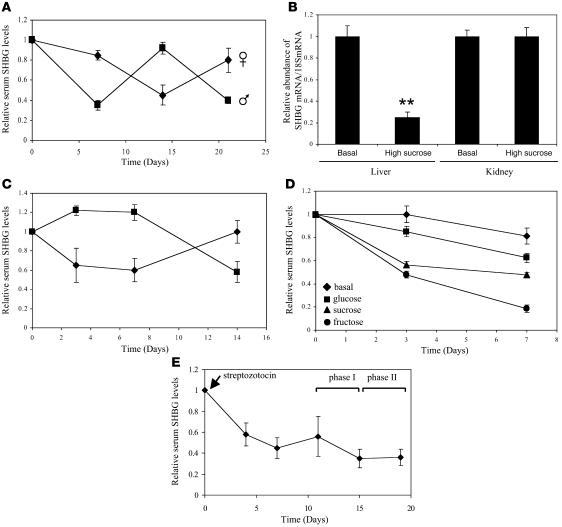
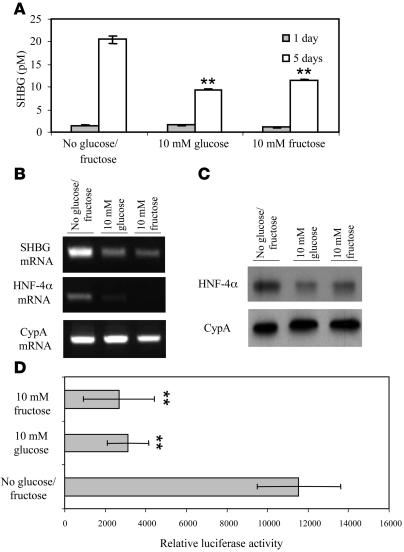
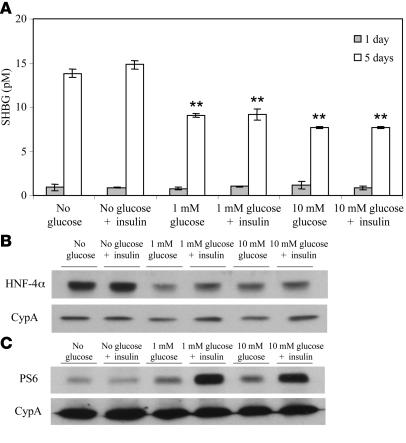
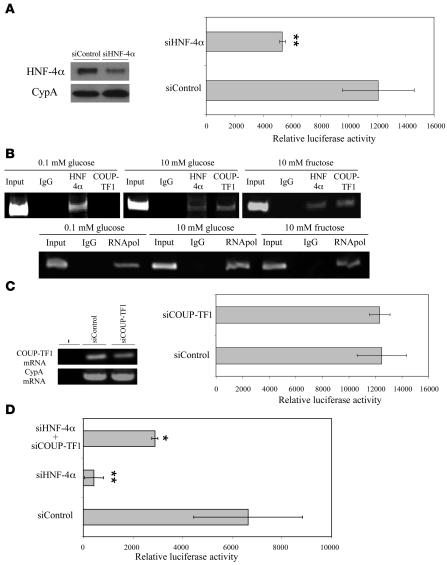
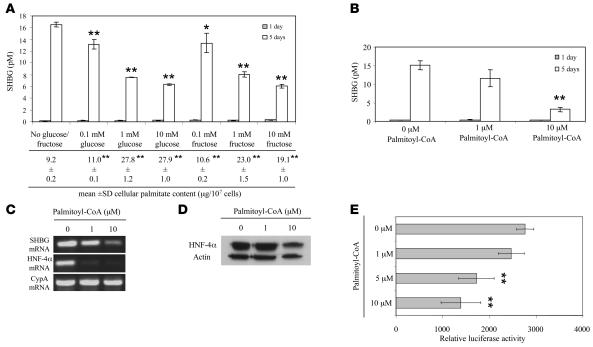
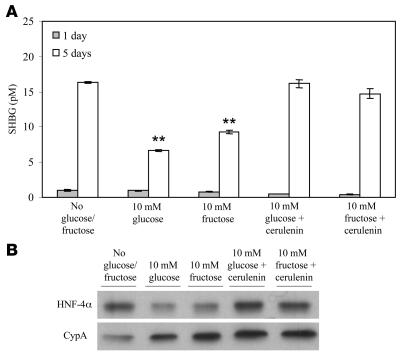
The liver produces plasma sex hormone-binding globulin (SHBG), which transports sex steroids and regulates their access to tissues. In overweight children and adults, low plasma SHBG levels are a biomarker of the metabolic syndrome and its associated pathologies. Here, we showed in transgenic mice and HepG2 hepatoblastoma cells that monosaccharides (glucose and fructose) reduce human SHBG production by hepatocytes. This occurred via a downregulation of hepatocyte nuclear factor-4alpha (HNF-4alpha) and replacement of HNF-4alpha by the chicken OVA upstream promoter-transcription factor 1 at a cis-element within the human SHBG promoter, coincident with repression of its transcriptional activity. The dose-dependent reduction of HNF-4alpha levels in HepG2 cells after treatment with glucose or fructose occurred in concert with parallel increases in cellular palmitate levels and could be mimicked by treatment with palmitoyl-CoA. Moreover, inhibition of lipogenesis prevented monosaccharide-induced downregulation of HNF-4alpha and reduced SHBG expression in HepG2 cells. Thus, monosaccharide-induced lipogenesis reduced hepatic HNF-4alpha levels, which in turn attenuated SHBG expression. This provides a biological explanation for why SHBG is a sensitive biomarker of the metabolic syndrome and the metabolic disturbances associated with increased fructose consumption.
Figures
References
-
- De Moor P., Joossens J.V. An inverse relation between body weight and the activity of the steroid binding-globulin in human plasma. Steroidologia. 1970;1:129–136. - PubMed
-
- Kopelman P.G., Pilkington T.R., White N., Jeffcoate S.L. Abnormal sex steroid secretion and binding in massively obese women. Clin. Endocrinol. (Oxf.) 1980;12:363–369. - PubMed
-
- Davidson B.J., et al. Free estradiol in postmenopausal women with and without endometrial cancer. J. Clin. Endocrinol. Metab. 1981;52:404–408. - PubMed
-
- Laaksonen D.E., et al. Testosterone and sex hormone-binding globulin predict the metabolic syndrome and diabetes in middle-aged men. Diabetes Care. 2004;27:1036–1041. - PubMed
-
- Kalme T., et al. Sex hormone-binding globulin and insulin-like growth factor-binding protein-1 as indicators of metabolic syndrome, cardiovascular risk, and mortality in elderly men. J. Clin. Endocrinol. Metab. 2005;90:1550–1556. - PubMed
Publication types
MeSH terms
Substances
LinkOut - more resources
Full Text Sources
Other Literature Sources
Molecular Biology Databases
Miscellaneous
