


Orthomolecular medicine: the therapeutic use of dietary supplements for anti-aging
- PMID: 18046879
- PMCID: PMC2695174
- DOI: 10.2147/ciia.2006.1.3.261
Orthomolecular medicine: the therapeutic use of dietary supplements for anti-aging
Abstract
Dietary supplements at high doses as part of medical therapy have been controversial, but the evidence suggests that they play a significant role in prevention and treatment of diseases as well as protection from accelerated aging that results from oxygen free-radical damage, inflammation, and glycation. This literature review examines several supplements that have documented roles in medical therapy, including vitamins C and E, coenzyme Q10, alpha-lipoic acid, chromium, L-carnitine, and quercetin. The evidence shows benefits in diabetes, cardiovascular disease, hypertension, congestive heart failure, age-related deterioration of brain function and vision, and immune function, as well as other age-related health problems.
Figures
References
-
- Anderson R, Dittrich OC. Effects of ascorbate on leucocytes: Part IV. Increased neutrophil function and clinical improvement after oral ascorbate in 2 patients with chronic granulomatous disease. S Afr Med J. 1979;56:476–80. - PubMed
-
- Anderson R, Oosthuizen R, Maritz R, et al. The effects of increasing weekly doses of ascorbate on certain cellular and humoral immune functions in normal volunteers. Am J Clin Nutr. 1980;33:71–6. - PubMed
-
- Anderson R, Theron A. Effects of ascorbate on leucocytes: Part III. In vitro and in vivo stimulation of abnormal neutrophil motility by ascorbate. S Afr Med J. 1979;56:429–33. - PubMed
-
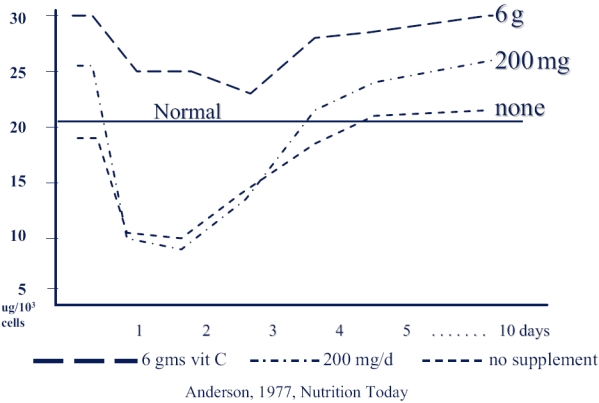
- Anderson R. Vitamin C and leukocyte ascorbate. Nutrition Today 1977
-
- Anderson RA, Cheng N, Bryden NA, et al. Elevated intakes of supplemental chromium improve glucose and insulin variables in individuals with type 2 diabetes. Diabetes. 1997;46:1786–91. - PubMed
Publication types
MeSH terms
LinkOut - more resources
Full Text Sources
Medical
