


Brain metabolism of nutritionally essential polyunsaturated fatty acids depends on both the diet and the liver
- PMID: 18060754
- PMCID: PMC2725409
- DOI: 10.1016/j.plefa.2007.10.023
Brain metabolism of nutritionally essential polyunsaturated fatty acids depends on both the diet and the liver
Abstract
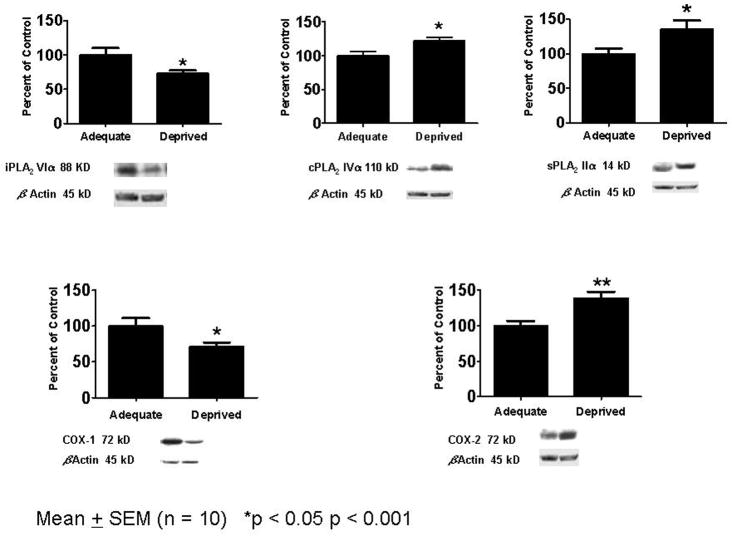
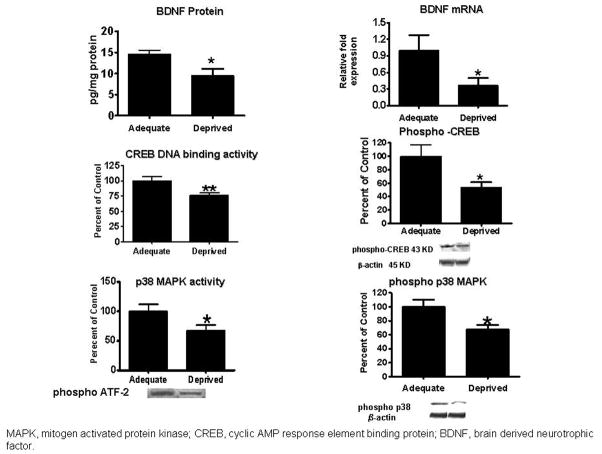
Plasma alpha-linolenic acid (alpha-LNA, 18:3n-3) and linoleic acid (LA, 18:2n-6) do not contribute significantly to the brain content of docosahexaenoic acid (DHA, 22:6n-3) or arachidonic acid (AA, 20:4n-6), respectively, and neither DHA nor AA can be synthesized de novo in vertebrate tissue. Therefore, measured rates of incorporation of circulating DHA and AA into brain exactly represent their rates of consumption by brain. Positron emission tomography (PET) has been used to show, based on this information, that the adult human brain consumes AA and DHA at rates of 17.8 and 4.6 mg/day, respectively, and that AA consumption does not change significantly with age. In unanesthetized adult rats fed an n-3 PUFA "adequate" diet containing 4.6% alpha-LNA (of total fatty acids) as its only n-3 PUFA, the rate of liver synthesis of DHA was more than sufficient to maintain brain DHA, whereas the brain's rate of DHA synthesis is very low and unable to do so. Reducing dietary alpha-LNA in the DHA-free diet led to upregulation of liver but not brain coefficients of alpha-LNA conversion to DHA and of liver expression of elongases and desaturases that catalyze this conversion. Concurrently, brain DHA loss slowed due to downregulation of several of its DHA-metabolizing enzymes. Dietary alpha-LNA deficiency also promoted accumulation of brain docosapentaenoic acid (22:5n-6), and upregulated expression of AA-metabolizing enzymes, including cytosolic and secretory phospholipases A(2) and cyclooxygenase-2. These changes, plus reduced levels of brain derived neurotrophic factor (BDNF) and cAMP response element-binding protein (CREB) in n-3 PUFA diet deficient rats, likely render their brain more vulnerable to neuropathological insults.
Figures
References
-
- DeGeorge JJ, Nariai T, Yamazaki S, Williams WM, Rapoport SI. Arecoline-stimulated brain incorporation of intravenously administered fatty acids in unanesthetized rats. J Neurochem. 1991;56(1):352–5. - PubMed
-
- Axelrod J, Burch RM, Jelsema CL. Receptor-mediated activation of phospholipase A2 via GTP-binding proteins: arachidonic acid and its metabolites as second messengers. Trends Neurosci. 1988;11(3):117–23. - PubMed
-
- Rapoport SI. In vivo fatty acid incorporation into brain phospholipids in relation to plasma availability, signal transduction and membrane remodeling. J Mol Neurosci. 2001;16:243–61. - PubMed
-
- Contreras MA, Rapoport SI. Recent studies on interactions between n-3 and n-6 polyunsaturated fatty acids in brain and other tissues. Curr Opin Lipidol. 2002;13:267–72. - PubMed
-
- Youdim KA, Martin A, Joseph JA. Essential fatty acids and the brain: possible health implications. Int J Dev Neurosci. 2000;18(4–5):383–99. - PubMed
Publication types
MeSH terms
Substances
Grants and funding
LinkOut - more resources
Full Text Sources
Medical
Research Materials
