


Developing the science base for reducing tobacco harm
- PMID: 18067031
- PMCID: PMC4222243
- DOI: 10.1080/14622200701679040
Developing the science base for reducing tobacco harm
Abstract
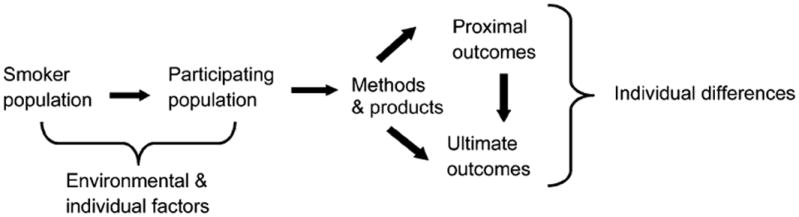
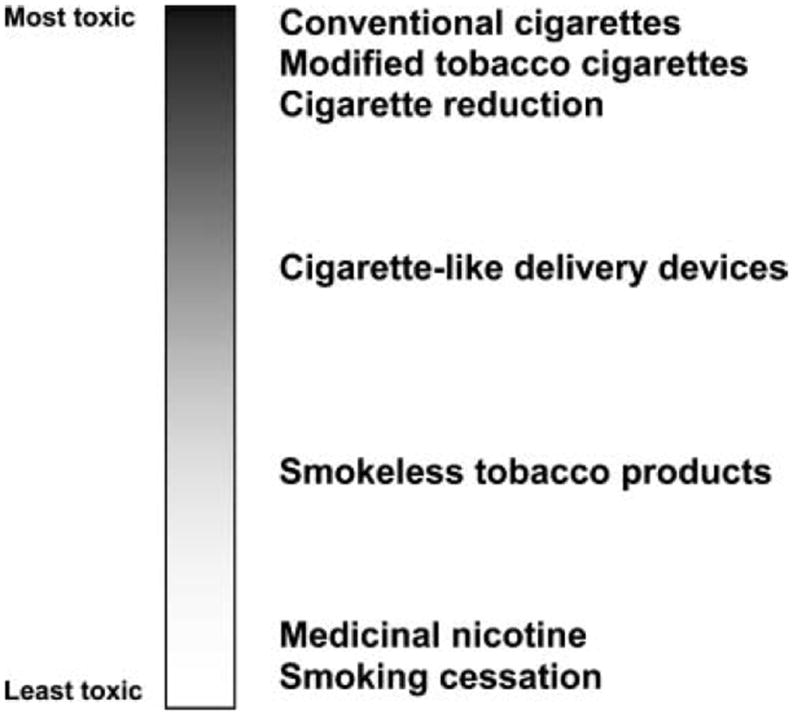
The University of Minnesota Transdisciplinary Tobacco Use Research Center has been examining the multiple dimensions and the scientific evidence required to determine the feasibility of tobacco harm reduction as a means to reduce tobacco-related mortality and morbidity. Because of the complexity associated with exploring this area, an interdisciplinary approach is necessary. The research components that have been of particular focus at our center include (a) developing and validating biomarkers of tobacco-related exposure and toxicity, (b) developing animal models and designing studies with humans to assess a variety of smoking reduction approaches and potential reduced exposure products, and (c) determining individual differences in response to these interventions and products. A description of the ongoing activities and challenges in these areas is provided, along with projected directions for the future.
Figures
References
-
- Baker TB, Hatsukami DK, Lerman C, O’Malley SS, Shields AE, Fiore MC. Transdisciplinary science applied to the evaluation of treatments for tobacco use. Nicotine & Tobacco Research. 2003;5(Suppl. 1):S89–S99. - PubMed
-
- Benowitz N, Henningfield JE. Establishing a nicotine threshold for addiction. The New England Journal of Medicine. 1994;331:123–125. - PubMed
-
- Benowitz N, Jacob P., 3rd Nicotine and cotinine elimination pharmacokinetics in smokers and nonsmokers. Clinical Pharmacology and Therapeutics. 1993;53(3):316–323. - PubMed
-
- Benowitz N, Jacob P., 3rd Effects of cigarette smoking and carbon monoxide on nicotine and cotinine metabolism. Clinical Pharmacology and Therapeutics. 2000;67(6):653–659. - PubMed
Publication types
MeSH terms
Grants and funding
LinkOut - more resources
Full Text Sources
