


Guanfacine and guanfacine extended release: treatment for ADHD and related disorders
- PMID: 18078429
- PMCID: PMC6494159
- DOI: 10.1111/j.1527-3458.2007.00026.x
Guanfacine and guanfacine extended release: treatment for ADHD and related disorders
Abstract
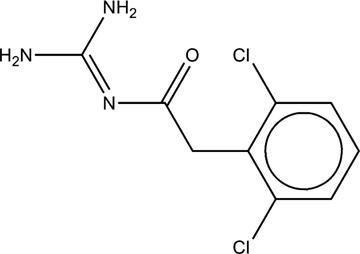
Guanfacine, an alpha(2A) adrenoceptor agonist, is U.S. Food and Drug Administration (FDA)-approved for the treatment of hypertension in adolescents and adults. It also has been used "off-label" for several years in children as a possible treatment for attention-deficit/hyperactivity disorder (ADHD) and pervasive developmental disorders (PDDs). Small placebo-controlled trials support the use of guanfacine for the treatment of ADHD. There is more limited research on the use of guanfacine in treating hyperactivity occurring in children diagnosed with PDD. Recently, guanfacine extended release (GXR), a once-daily formulation has been manufactured and studied in phase III clinical trials. Based on preliminary scientific presentations, it also appears to be efficacious in improving ADHD in children. The most common adverse effects associated with guanfacine and GXR treatment is sedation. Adverse cardiovascular effects are uncommon, although modest reductions in blood pressure and heart rate are common. If GXR is FDA-approved, it would be the first alpha(2A) adrenoceptor agonist marketed for ADHD.
References
-
- Abo‐Zena RA, Bobek MB, Dweik RA (2000) Hypertensive urgency induced by an interaction of mirtazapine and clonidine. Pharmacotherapy 20:76‐78. - PubMed
-
- Aman MG, Singh NN, Stewart AW, Field CJ (1985) The aberrant behavior checklist: A behavior rating scale of the assessment of treatment effects. Am J Ment Deficiency 89:485‐491. - PubMed
-
- Arnsten AF, Li BM (2005) Neurobiology of executive functions: Catecholamine influences on prefrontal cortical functions. Biol Psychiatry 57:1377‐1184. - PubMed
Publication types
MeSH terms
Substances
Grants and funding
LinkOut - more resources
Full Text Sources
Other Literature Sources
Medical
