


Use of a SQUID array to detect T-cells with magnetic nanoparticles in determining transplant rejection
- PMID: 18084633
- PMCID: PMC2139906
- DOI: 10.1016/j.jmmm.2006.10.1148
Use of a SQUID array to detect T-cells with magnetic nanoparticles in determining transplant rejection
Abstract
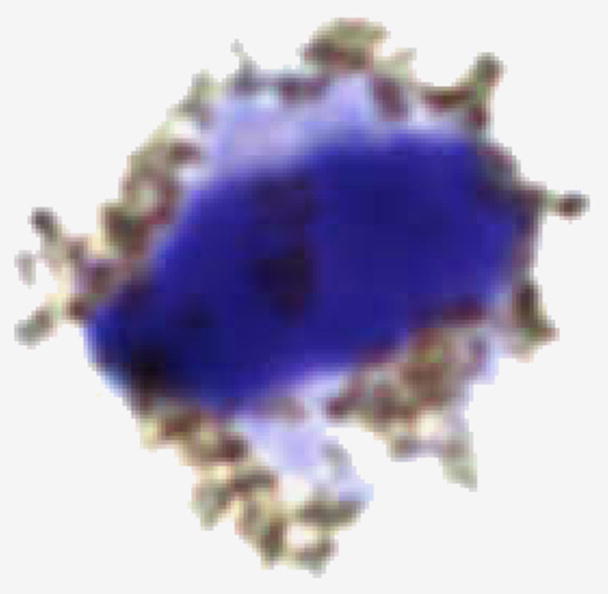
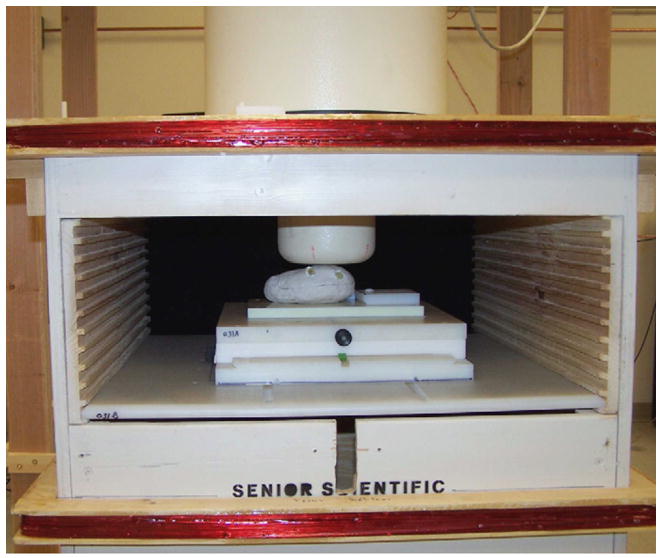
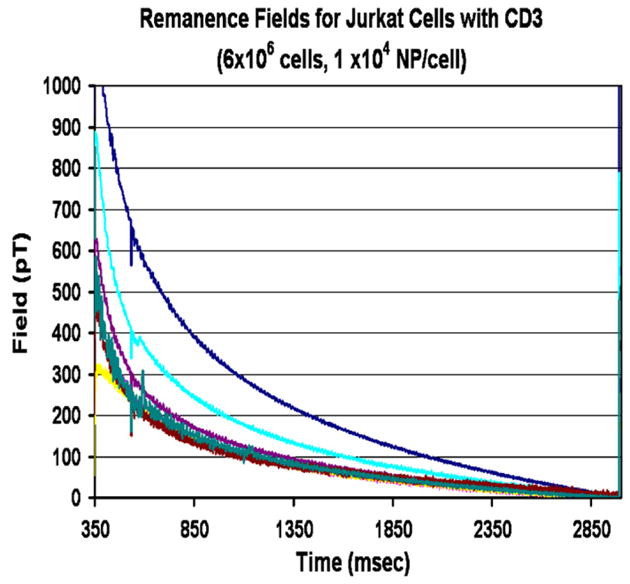
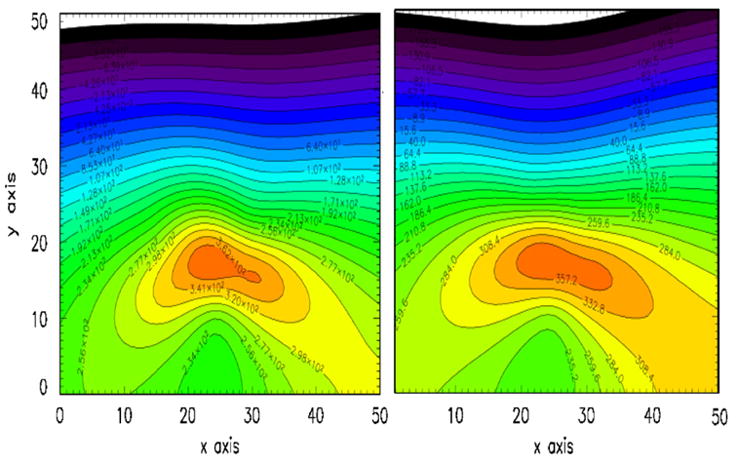
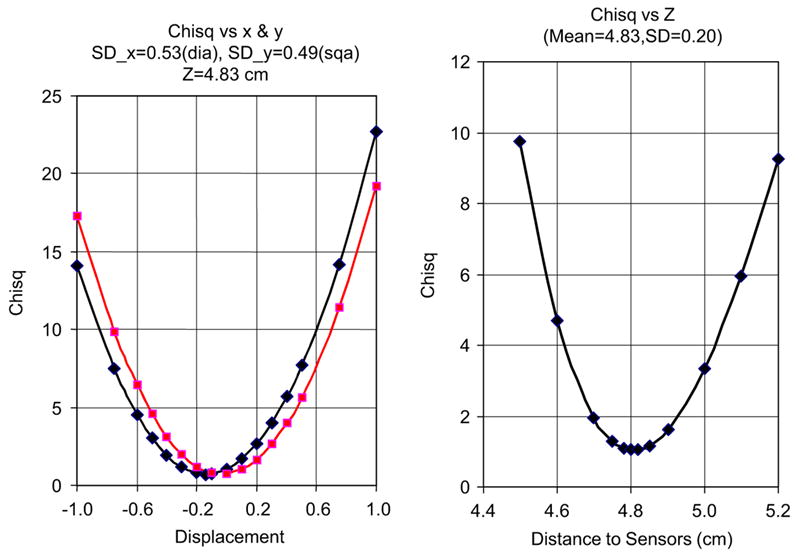
Acute rejection in organ transplant is signaled by the proliferation of T-cells that target and kill the donor cells requiring painful biopsies to detect rejection onset. An alternative non-invasive technique is proposed using a multi-channel superconducting quantum interference device (SQUID) magnetometer to detect T-cell lymphocytes in the transplanted organ labeled with magnetic nanoparticles conjugated to antibodies specifically attached to lymphocytic ligand receptors. After a magnetic field pulse, the T-cells produce a decaying magnetic signal with a characteristic time of the order of a second. The extreme sensitivity of this technique, 10(5) cells, can provide early warning of impending transplant rejection and monitor immune-suppressive chemotherapy.
Figures
References
Grants and funding
LinkOut - more resources
Full Text Sources
Other Literature Sources