


A chemical genomics screen highlights the essential role of mitochondria in HIF-1 regulation
- PMID: 18172210
- PMCID: PMC2224181
- DOI: 10.1073/pnas.0706585104
A chemical genomics screen highlights the essential role of mitochondria in HIF-1 regulation
Abstract
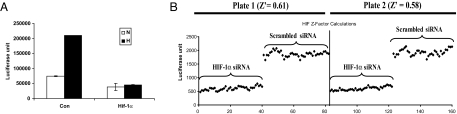
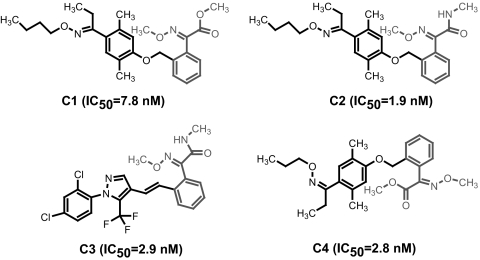
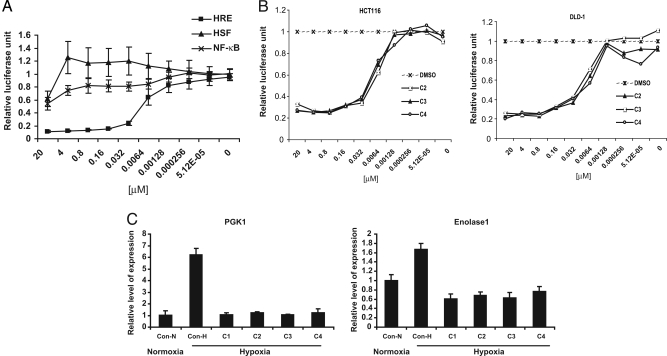
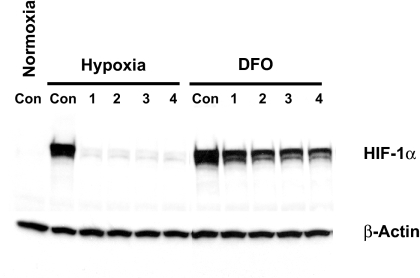
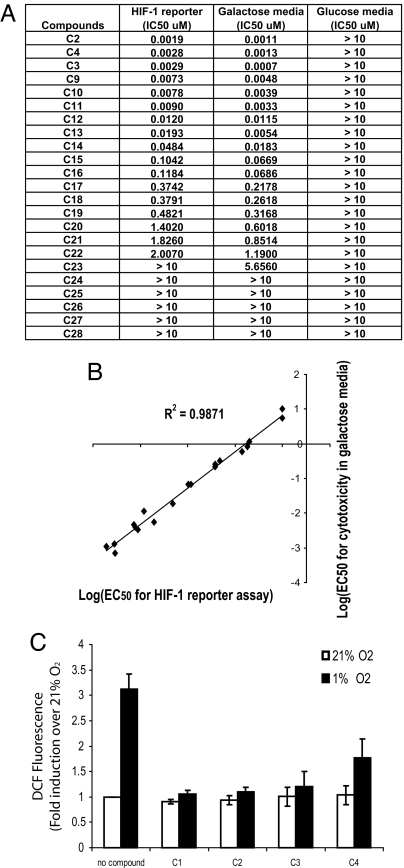
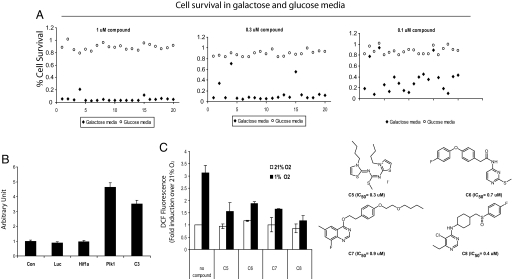
Hypoxia-inducible factor-1 (HIF-1) plays an essential role in tumor development and progression by regulating genes that are vital for proliferation, glycolysis, angiogenesis, and metastasis. To identify strategies of targeting the HIF-1 pathway, we screened a siRNA library against the entire druggable genome and a small-molecule library consisting of 691,200 compounds using a HIF-1 reporter cell line. Although the siRNA library screen failed to reveal any druggable targets, the small-molecule library screen identified a class of alkyliminophenylacetate compounds that inhibit hypoxia-induced HIF-1 reporter activity at single-digit nanomolar concentrations. These compounds were found to inhibit hypoxia but not deferoxamine-induced HIF-1alpha protein stabilization. Further analysis indicated that the alkyliminophenylacetate compounds likely inhibit the HIF-1 pathway through blocking the hypoxia-induced mitochondrial reactive oxygen species (ROS) production. Strikingly, all of the nonalkyliminophenylacetate HIF-1 inhibitors identified from the small-molecule library screen were also found to target mitochondria like the alkyliminophenylacetate compounds. The exclusive enrichment of mitochondria inhibitors from a library of >600,000 diverse compounds by using the HIF-1 reporter assay highlights the essential role of mitochondria in HIF-1 regulation. These results also suggest that targeting mitochondrial ROS production might be a highly effective way of blocking HIF-1 activity in tumors.
Conflict of interest statement
The authors declare no conflict of interest.
Figures
References
Publication types
MeSH terms
Substances
Grants and funding
LinkOut - more resources
Full Text Sources
Other Literature Sources
