


Methane oxidation at 55 degrees C and pH 2 by a thermoacidophilic bacterium belonging to the Verrucomicrobia phylum
- PMID: 18172218
- PMCID: PMC2224206
- DOI: 10.1073/pnas.0704162105
Methane oxidation at 55 degrees C and pH 2 by a thermoacidophilic bacterium belonging to the Verrucomicrobia phylum
Abstract
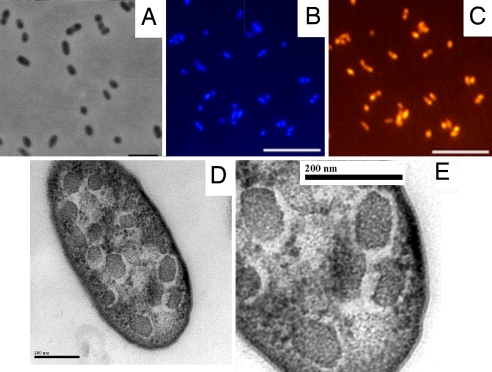
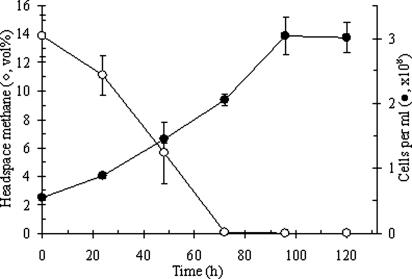
Methanotrophic bacteria constitute a ubiquitous group of microorganisms playing an important role in the biogeochemical carbon cycle and in control of global warming through natural reduction of methane emission. These bacteria share the unique ability of using methane as a sole carbon and energy source and have been found in a great variety of habitats. Phylogenetically, known methanotrophs constitute a rather limited group and have so far only been affiliated with the Proteobacteria. Here, we report the isolation and initial characterization of a nonproteobacterial obligately methanotrophic bacterium. The isolate, designated Kam1, was recovered from an acidic hot spring in Kamchatka, Russia, and is more thermoacidophilic than any other known methanotroph, with optimal growth at approximately 55 degrees C and pH 3.5. Kam1 is only distantly related to all previously known methanotrophs and belongs to the Verrucomicrobia lineage of evolution. Genes for methane monooxygenases, essential for initiation of methane oxidation, could not be detected by using standard primers in PCR amplification and Southern blot analysis, suggesting the presence of a different methane oxidation enzyme. Kam1 also lacks the well developed intracellular membrane systems typical for other methanotrophs. The isolate represents a previously unrecognized biological methane sink, and, due to its unusual phylogenetic affiliation, it will shed important light on the origin, evolution, and diversity of biological methane oxidation and on the adaptation of this process to extreme habitats. Furthermore, Kam1 will add to our knowledge of the metabolic traits and biogeochemical roles of the widespread but poorly understood Verrucomicrobia phylum.
Conflict of interest statement
The authors declare no conflict of interest.
Figures

References
-
- Anthony C. The Biochemistry of Methylotrophs. London: Academic; 1982.
-
- Lieberman RL, Rosenzweig AC. Nature. 2005;434:177–182. - PubMed
Publication types
MeSH terms
Substances
Associated data
- Actions
LinkOut - more resources
Full Text Sources
Other Literature Sources
Molecular Biology Databases
